
- News
- Relationships News
- 5 lesser-known traits that separate top performing employees from others
5 lesser-known traits that separate top performing employees from others

What separates top performers from other employees?
There is a massive, invisible gap between just "having a job" and actually excelling in it. It’s not something they teach you in a lecture hall, and you definitely won’t find it on LinkedIn. It lives in the messy, unglamorous moments—how you act when a deadline is breathing down your neck or how you treat the "boring" tasks that no one will ever clap for.
That’s the space Ankur Warikoo chose to highlight in his recent social media post. He argued that moving up isn’t about flashy talent; it’s about a few quiet habits that most people overlook. Here is the real breakdown of what separates the top 1% from everyone else.

Being reliable
Reliability sounds boring, but in a world of ghosting and missed deadlines, it’s a superpower. Top performers don’t wait for their boss to send a "where is this?" text. They’ve already sent the update.
Being reliable doesn’t mean you’re a perfect robot. It means you’re predictable in the best way possible. If a project is going off the rails, you flag it early. When you become the person who doesn’t need to be chased, you’re no longer just an employee—you’re a partner. Trust is the most expensive currency in an office, and you earn it by simply doing what you said you’d do.

Admitting when you don't know
We’ve all seen it: the person who nods along in a meeting while looking completely terrified inside. They’re "faking it till they make it," but they usually end up making a massive mistake instead.
Warikoo points out that the fastest learners are the ones brave enough to say, "I have no idea what that acronym means—can you explain it?" Asking questions isn’t a sign of weakness; it’s a sign that you value getting it right over looking smart. It saves time, prevents disasters, and actually makes people respect you more.
Handling mistakes professionally
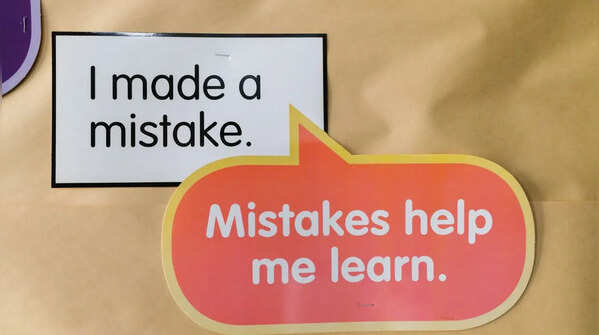
When most people drop the ball, their first instinct is to build a defense wall. They blame the software, the client, or the traffic. But top performers treat a mistake like a piece of data.
Instead of asking, "Who can I blame for this?" they ask, "What did I miss, and how do we make sure it never happens again?" Shifting from "defense mode" to "growth mode" changes the entire way a team works. It turns a failure into a lesson for your next success.

Listening before "fixing" (EQ)
High IQ gets you the job, but high EQ (Emotional Intelligence) gets you promoted. Employees who stand out don't just rush in to solve a problem the second a colleague vents. They actually listen.
Sometimes, a teammate just needs to feel heard before they’re ready for a solution. By validating someone’s stress or frustration before jumping to fix it, you build a level of loyalty and influence that a spreadsheet never could. It’s about making work feel a little more human.

The "grind" when no one is looking
Consistency is the ultimate filter. Anyone can be a superstar for a week when they’re feeling motivated or the boss is watching. But the top 1% show up with the same level of care even when the work is tedious and the praise is zero.
Success is built on the days when you don't feel like it. When you set your own high standards and stick to them—not for the "likes" or the bonus, but because that’s just how you work—you become indispensable.
The bottom line? The work might be the same, but the heart behind it is what changes the outcome.
Featured In Relationships

