
- News
- Science News
- Scientists studied the DNA of a 117-year-old woman and what they found is changing how we understand ageing
Scientists studied the DNA of a 117-year-old woman and what they found is changing how we understand ageing

Maria Branyas Morera, who lived to 117, defied aging expectations. image Credit: Wikipedia
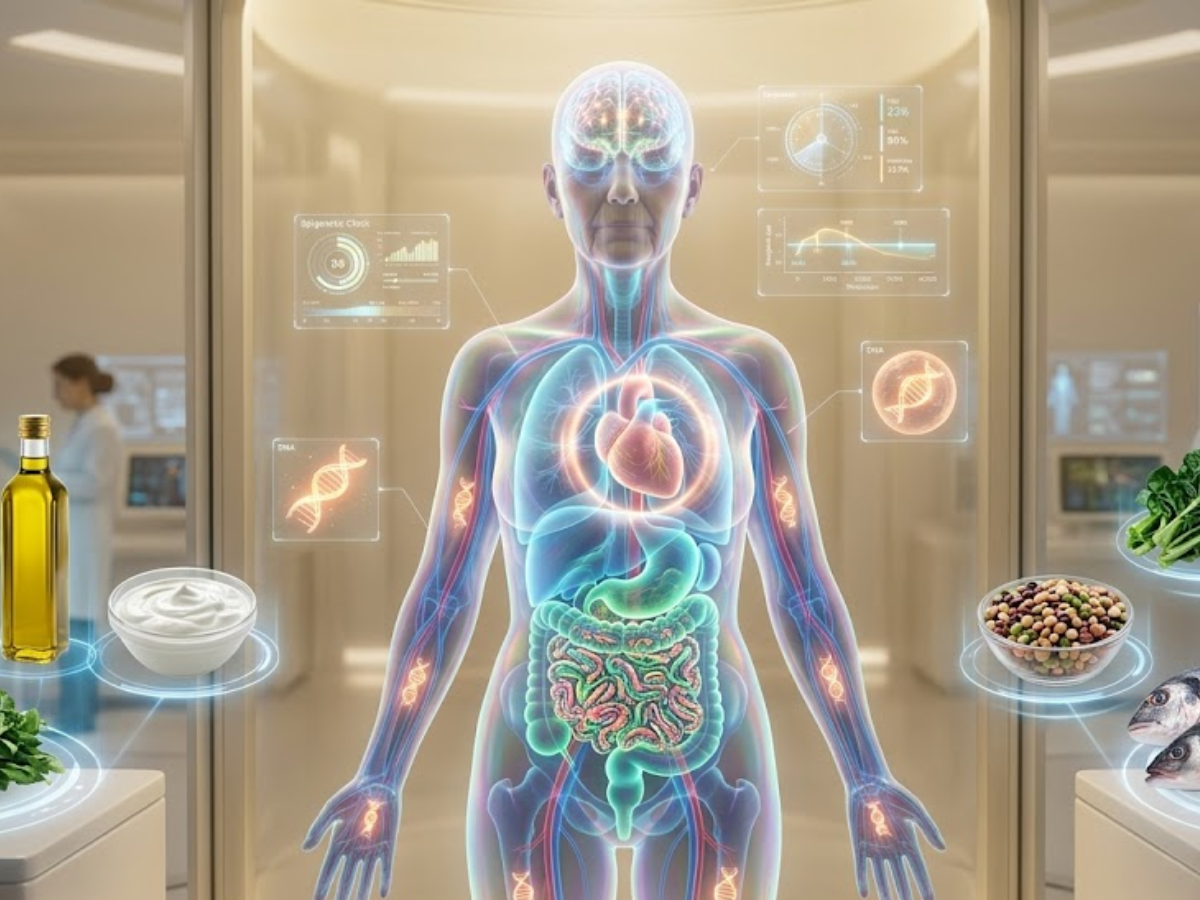
Scientists discovered her internal chemistry mirrored younger individuals, with a unique microbiome and a Mediterranean diet, including daily yogurt, contributing to her remarkable health. Image Credit: Gemini

About the AuthorTOI Science Desk
End of Article
Follow Us On Social Media

Hot Picks
Top Trending
Tired of too many ads?go ad free now
Trending Stories
In Section
Entire Website
- ‘Not happening today!’: Is Ashwin hinting at MS Dhoni’s retirement in 2027?
- ED arrests AAP leader Deepak Singla after raids; Atishi alleges bid to access organisational data
- ‘I am trapped bro, tu mat ...’: After Noida woman Twisha Sharma’s 'dowry' death, her last messages surface
- ‘Above my pay grade’: DC coach Badani questions Cricket Australia’s decision to release Starc late
- 'Fit lag raha hu na': MS Dhoni trains with NSG commandos as CSK fans wait for Chepauk return
- Who is Aaron Rai’s golfer wife Gaurika Bishnoi? All about PGA Champion’s personal life
- 'Bail is rule, jail exception even in UAPA cases': SC expresses reservations over order denying bail to Umar Khalid
- ‘Told Ruturaj he is free not to take a single piece of advice’: Dhoni ahead of CSK’s final home game
- ‘I didn’t drop him because…’: Ganguly reveals how he fought selectors for Dravid, reshaped India’s ODI team
- After Twisha Sharma, another Noida woman dies by suicide over 'dowry harassment'; husband, father-in-law held
- ‘Not happening today!’: Is Ashwin hinting at MS Dhoni’s retirement in 2027?
- ED arrests AAP leader Deepak Singla after raids; Atishi alleges bid to access organisational data
- ‘I am trapped bro, tu mat ...’: After Noida woman Twisha Sharma’s 'dowry' death, her last messages surface
- ‘Above my pay grade’: DC coach Badani questions Cricket Australia’s decision to release Starc late
- 'Fit lag raha hu na': MS Dhoni trains with NSG commandos as CSK fans wait for Chepauk return
- Who is Aaron Rai’s golfer wife Gaurika Bishnoi? All about PGA Champion’s personal life
- 'Bail is rule, jail exception even in UAPA cases': SC expresses reservations over order denying bail to Umar Khalid
- ‘Told Ruturaj he is free not to take a single piece of advice’: Dhoni ahead of CSK’s final home game
- ‘I didn’t drop him because…’: Ganguly reveals how he fought selectors for Dravid, reshaped India’s ODI team
- After Twisha Sharma, another Noida woman dies by suicide over 'dowry harassment'; husband, father-in-law held
Tired of too many ads?go ad free now



Explore Every Corner
Across The Globe
IPL Points TableRiyan ParagVaibhav SooryavanshiVirat KohliPreity ZintaIPL Playoff ScenariosMK StalinDonald TrumpUK Fake Officer ScamRajasthan High Court Driver Result 2026Roger and Mirka Federer Net WorthAndre Agassi and Steffi Graf Net WorthFifa World Cup ControversyCSK vs SRH IPL Match TodayR AshwinDeepak SinglaTwisha Sharma FatherAbu Dhabi Grand SlamGold, Silver Rate TodayDelhi TemperatureNoida Dowry CaseUS Iran WarIPL Purple Cap WinnerStock Market downIdaho air showNoida Woman SuicideYogi adityanathVD SatheesanTwisha SharmaIPL Match Today

Hot on the Web
Ashok SarafAmit ShahPeddi TrailerHarsh ChhayaRashmika MandannaHuma QureshiYashYuvraj SinghAanjjan SrivastavIrrfan KhanVirat KohliJanhvi KapoorSalman KhanK Rajan Death NewsParag TyagiDipika KakarGlass Shower Screens Cleaning TipsUnique Fruit TreesKaruppu Box Office CollectionKhan SirChandranaag IdentityPopular FoodAC Room Water Bucket TipsMeta LayoffsIndian FoodsAnti Lizard TipsHbA1cHypertension SymptomsRaja Shivaji Box Office CollectionHoroscope TodayCuba Drone ThreatFatah 3 VS BrahmosUS Powerball LotteryRajnath SinghUAE Nuclear PlantSanjeev AroraNyt ConnectionsMartian RockLegal Document PropertyClaim Fixed Deposit After DeathGhost Of The WoodsCaptions For Instagram Posts
Trending Topics
CSK VS SRH IPL Matchindia Fossil Fuel GrowthDelhi High CourtIdaho Air ShowBengaluru Road RageTrump Iran nuclear talksNEET UG Paper LeakMoscow drone attackMumbai RapeHormuz blockadeTamil Nadu Double MurderBangladesh measles deathMamata BanerjeeUAE nuclear plant attackCSK VS SRH Match PreviewUS fighter jet collisionIPL ScheduleTrump China VisitBCCI RTI ActNavya GadusuMS DhoniPBKS Qualification ScenarioStrait of HormuzEA FC 26 La Liga TOTS players leakedUP StormMicah Parsonsmike vrabel dianna russini controversyKerala CM AnnouncementSiddaramaiahFortnite V40 Release timeJensen HuangMarc BenioffApple GenmojiSaaS DeadHack Of The DayElon Musk Instagram RemarkIndian-American Tech MillionaireHonda City FaceliftGarena Free Fire MAX Redeem CodesPeroxide CodesGenshin Impact Codes
Popular Categories
HeadlinesSports NewsBusiness NewsIndia NewsWorld NewsInternational SportsHealthIndian TV ShowsTechnologyTravelEtimesAstrologyDeorhiAutoTechnology NewsGold Rate TodayWeather TodaySilver Price TodayDelhi Weather TodayPetrol Price TodayDiesel Price TodayCNG Price TodayLPG Price TodayPetrol Price MumbaiDelhi AQIIs Bank Open TodayMumbai AQI TodayIs Bank Open TomorrowPublic Holidays in MayBank Holidays in May
Trending Videos
China’s Critical Minerals Hold Over the U.S. | OPEN COLLARWhen the main character energy meets paws-itivityIndia-Sweden Deal Could DOUBLE Trade in 5 Years! | OPEN COLLARIndian National Killed, Three Injured In Moscow Region Drone Strike Amid Russia-Ukraine WarBhopal Twisha Sharma Death: FIR Against Husband & Ex-Judge Mother-in-LawIndia Plans Massive Highway Monetisation Drive, Targets Rs 35,000 Crore Through 28 Road AssetsNO MERCY FOR FRIENDS TOO? Iran Captures China-Owned Ship Carrying Arms In Hormuz | DETAILSModi Secures MASSIVE Europe Deals for India | OPEN COLLARRJ Mahvash BREAKS Silence On Chahal Link-Up, Samay Raina & Unfollow Buzz‘I Just Took One Step At A Time’: Park Eun-bin Gets Emotional About Success | WATCHIndia-s Most Audacious Oman-Gujarat Pipeline Energy Project Aims To Fix Hormuz Chokepoint ChallengeREEL TOURIST TRAMPLED TO DEATH IN ELEPHANT FIGHT₹3,000 More For ASHA Workers, Free Bus Travel For Women: Satheesan's First Decisions As Kerala CMMaximum Pleasure Guaranteed Teaser "The Scam" : Tatiana Maslany, Jake Johnson and Jessy Hodges Starrer Maximum Pleasure Guaranteed Official Teaser "The Scam"Maximum Pleasure Guaranteed Teaser "The Spiral" : Tatiana Maslany, Jake Johnson and Jessy Hodges Starrer Maximum Pleasure Guaranteed Official Teaser "The Spiral"Maximum Pleasure Guaranteed Teaser "Maximum Chaos" : Tatiana Maslany, Jake Johnson and Jessy Hodges Starrer Maximum Pleasure Guaranteed Official Teaser "Maximum Chaos"Yogi Adityanath’s Remarks On Namaz During Shift Triggers Political ControversyIranian Commander Claims Over 6,000 Spies Arrested Amid Heightened Tensions With US
Latest News
Hazaribag man drowns while fishing in lake"Behen Darr Gayi!": Fans relive ‘Bhagam Bhag’ era after watching Akshay Kumar's 'Bhooth Bangla' trailerMBOSE HSLC result 2026 to release tomorrow: Check details hereIran war risk: JPMorgan CEO Jamie Dimon warns of oil shocks, sticky inflation and higher interest ratesMake your clutch last longer with these easy driving tips“Three-against-one situation”: El Rubius opens up on being “targeted” in MrBeast’s viral $1M challengeBihar BTSC lab assistant notification released for 1091 posts at btsc.bihar.gov.in; apply hereIPL craze costs techie Rs 1.46 lakh in fake RCB vs CSK ticket scamRaising “robot-proof” kids: Why creativity and curiosity matter more than everInside ‘Satguru Sharan’: Exploring Saif Ali Khan and Kareena Kapoor Khan’s Rs 100 crore Bandra homeHow selling Alaska in 1867 was a costly mistake for Russia'Hera Pheri 3 is coming': Paresh Rawal dismisses delay reports and reveals he will 'start shooting soon'US-Iran War: A daring rescue Hollywood blockbuster is on its way. Till then, pick your favourite from these 10 films on bringing someone home against all oddsKolkata team unveils fan mural at Rash Behari Avenue, celebrating city’s first loveHow US spread a lie to rescue a pilot of a jet shot down in IranNetflix unveils ‘VOID’, an AI model that can change a movie plotAI data centers are causing 'stress' not just to tech companies, but also private insurers"Trans women are.....": Clavicular’s viral moment with trans women sparks fresh conversation on internet culture
Copyright © 2026 Bennett, Coleman & Co. Ltd. All rights reserved. For reprint rights: Times Syndication Service