
- News
- lifestyle
- home-garden
- How to identify the Chandranaag: Key features explained
How to identify the Chandranaag: Key features explained
How to identify the Chandranaag: Key features explained
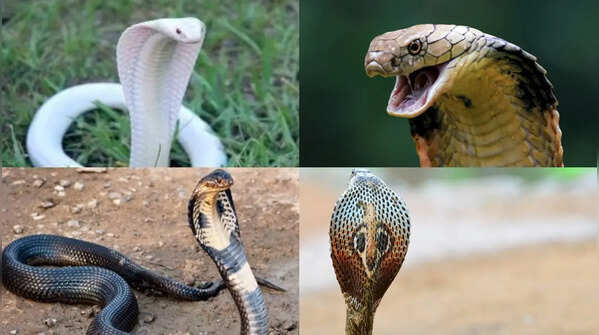
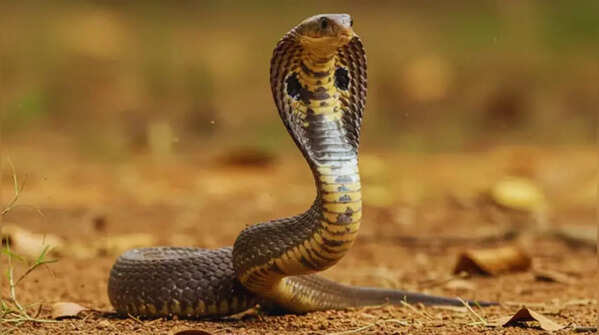
Snakes have several traditional names based on local perceptions in some regions within India. For example, Chandranaags refers to snakes that have hoods or banded bodies resembling cobras or kraits. This causes much confusion due to the similarity in physical appearance of different kinds of snakes despite behavioural differences and various levels of venom strength. The monocled cobra is among the scientifically acknowledged cobras that are marked by the round pattern on its hood. It is a highly venomous snake found primarily in eastern and northeastern India and parts of Southeast Asia. Due to the diversity in colours and changes in hood pattern, these cobras are mistaken with other snakes easily. The following are some characteristics of Chandranaags or monocled cobras.
The hood pattern helps to identify the snake
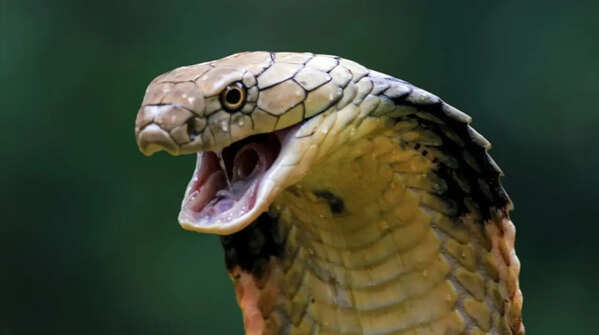
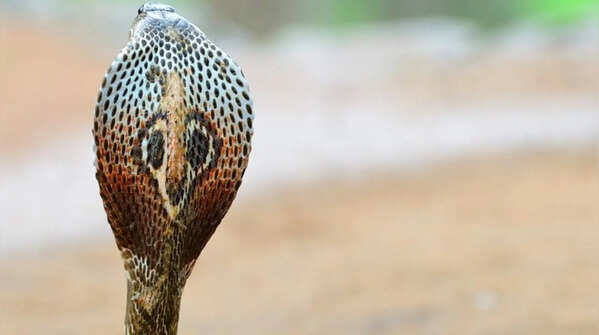
One way of distinguishing monocled cobras from other species is through the pattern that is visible when it spreads its neck area. The snake is referred to as monocled due to the distinct marking found on the back of its hood, which looks like a circle or an "O". Contrarily, unlike the Indian spectacled cobra that exhibits a two-fold pattern resembling spectacles, monocled cobras appear to possess a single rounded pattern on their hoods. According to experts, the pattern changes in some cases and may be faint or incomplete at times, hence making identification hard for locals.
The body colour and patterns differ significantly
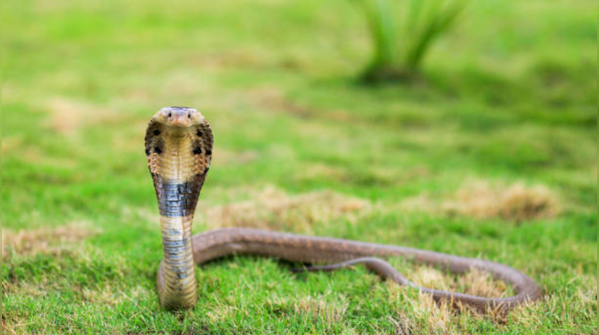
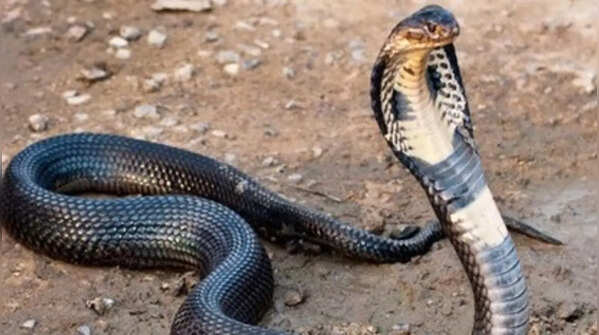
Several people tend to think that the monocled cobras have specific body colour. However, the body shade changes depending on geographical location and age of the snake. The body shade of the monocled cobras can be yellowish-brown, olive, grey, dark brown, or nearly black in colour. While there are variations in colour, there are those who do not exhibit banding but appear plain-coloured. The young snakes seem to display clear body patterns than the adults, and some have stripes or darker colour patterns. Therefore, there are several species of harmless snakes with similar appearances to the monocled cobras.
The head and hood make cobras distinctive
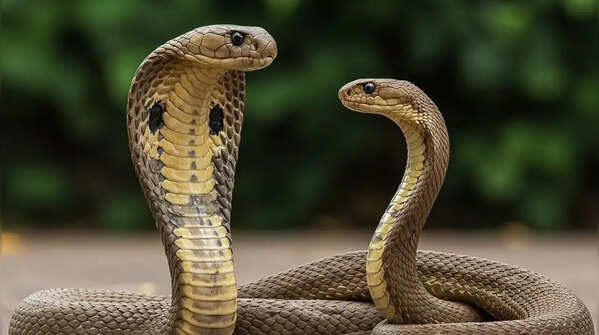
Monocled cobras appear to have a smooth body scale and a broad neck that expands into a hood when it faces any threat. The head is less pronounced since it does not have a sharp triangle form but an ellipse shape. When disturbed, the snake raises its head up, expands its hood wide, and hisses before it attacks any perceived danger. This aspect is what clearly distinguishes cobras from other harmless snakes with a banded body that lack such characteristics.
The habitat and hiding places indicate their presence
Since monocled cobras are adaptable snakes, they can be found within human habitats, such as agricultural farms, wetlands, forests, and houses. The snakes prefer places with rodent burrows, abandoned buildings, hollow trees, and heaps of rubbish that can provide plenty of food sources for them. Where rice is farmed, the cobras can be seen hiding themselves in burrows located within waterlogged agricultural lands. They prefer staying close to humans, particularly during the monsoon periods.
Other snakes are also called chandranaag
There are several snake species in India that have been named differently based on their appearance. Some locals have been reported to confuse kraits, rat snakes, and monocled cobras due to similarity in body patterns or colours. Experts in wildlife advise the population to rely on scientific naming to help prevent misidentification. This practice can be dangerous since there are some harmless snakes that resemble highly venomous snakes very much. Thus, it is crucial to seek snake rescuers' assistance in case of any encounter within your home or garden.
Disclaimer:
This article is intended for general informational and wildlife awareness purposes only. Identification of snakes based on colour, markings, or local names may sometimes be inaccurate, as several species can appear similar in the wild. The Monocled cobra is a highly venomous snake and should never be approached, handled, or disturbed. Readers are strongly advised to contact local forest departments, certified snake rescuers, or wildlife authorities if they encounter any unidentified snake near homes or gardens. Do not rely solely on online information for handling wildlife-related situations.
Featured In lifestyle

MORE FROM ETIMES
life & style