
Feeling constantly exhausted at work? The 6-4-2 formula may be the balance your life is missing
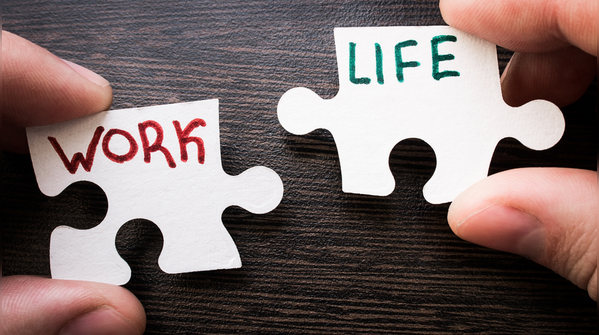
Work-life balance formula
Modern work culture celebrates people who are always online, always reachable, and always busy. But beneath this constant rush lies a quieter crisis: exhaustion that slowly chips away at motivation, relationships, creativity, and health. Burnout no longer affects only top executives or frontline workers. It has become deeply personal for young professionals, parents, managers, freelancers, and even students trying to “do it all.”
The problem is not hard work. It is the absence of recovery.
That is where the “6-4-2 Formula” comes in, a simple framework designed to create a healthier rhythm between ambition and well-being.

Why burnout builds up over time
Burnout rarely arrives dramatically. It often starts with skipped meals, unread books, ignored hobbies, late-night emails, and postponed conversations with loved ones. Over time, people stop feeling energized by work and begin feeling emotionally detached from it.
According to the World Health Organization, burnout is linked to chronic workplace stress that has not been successfully managed. Common signs include exhaustion, reduced efficiency, irritability, poor concentration, and emotional fatigue.
Many professionals continue functioning despite these signs, which makes burnout difficult to identify early. The danger is that people may appear productive on the outside while mentally running on empty inside.

The “6”: Six hours of meaningful, high-impact work
The first part of the formula focuses on six hours of truly focused work. Not endless multitasking. Not back-to-back meetings. Not replying to messages every five minutes.
This is about dedicating energy to work that genuinely matters.
Arzoo Gill, Associate Director, HR, ARM Worldwide, explains, “When teams have structured work blocks, clearer priorities, and fewer unnecessary distractions, they manage tasks better and deliver stronger outcomes.”
Research from the National Institutes of Health (NIH) suggests that long hours combined with low recovery time can significantly affect mental and physical health. Experts increasingly believe that focused productivity is more sustainable than prolonged availability.
Many companies are now encouraging “deep work” periods where employees can concentrate without interruptions. The idea is simple: fewer scattered hours, more meaningful output.
The “4”: Four hours for growth, hobbies, and mental recovery
One of the most overlooked aspects of adulthood is personal growth outside professional success. The “4” in the formula encourages people to spend four hours daily on activities that nourish the mind and body.
This does not mean sitting through endless online courses. Growth can also come from movement, spirituality, gardening, reading, painting, cooking, or simply learning something unrelated to work.
“Taking time to invest in oneself helps us recharge, stay motivated, and return with better clarity, energy, and perspective,” says Gill.
A study published by the Centers for Disease Control and Prevention (CDC) highlights that physical activity, hobbies, social interaction, and mindfulness practices can reduce stress and improve emotional resilience.
What makes this part powerful is that it gives people permission to exist beyond deadlines and targets.

The “2”: Two hours reserved for human connection
Work pressure often steals attention from the people who matter most. Conversations become rushed. Meals turn silent. Friendships slowly fade into occasional messages.
The final “2” in the formula focuses on relationships.
Whether it is sitting with parents over tea, playing with children, taking a walk with a partner, or speaking honestly with a friend, emotional connection acts as a natural reset button for the brain.
Gill says, “Quality time away from work creates a healthier balance, improves overall well-being, and fosters a positive mindset.”
In many ways, balance is less about time management and more about attention management. People remember presence far longer than productivity.

Sustainable success is no longer optional
The 6-4-2 Formula is not a strict timetable. Some days will feel messy and imperfect. But the larger message remains important: success should not demand emotional collapse as proof of ambition.
The healthiest workplaces today are slowly moving away from hustle culture and toward sustainable performance. Employees who feel rested, valued, and emotionally supported are often more creative, loyal, and resilient over time.
Work matters. Growth matters. But so does the ability to laugh at dinner, sleep peacefully, and wake up without dread.
That balance may be the real definition of success now.

Disclaimer
This article is for informational purposes only and should not be considered medical or psychological advice. People experiencing severe stress, anxiety, or burnout symptoms should consult a qualified healthcare or mental health professional.
Featured In etimes

