
Lauki vs Tori: Which has more nutrition for summer and 5 interesting ways to eat them

What happens when you eat Lauki and Tori in summer
Summer vegetables are often considered boring and unappealing. But the truth is, they are hydrating, rich in fiber and make for the perfect companion to keep the gut happy and smiling. Today, we will discuss two of the most popular summer veggies that people often dislike but which pack all the essential nutrients. We are talking about Lauki (bottle gourd) and Tori (ridge gourd), which belong to the Cucurbitaceae family, also known as the gourd or pumpkin family. Let us find out which is more nutritious and how one can make these boring veggies interesting.
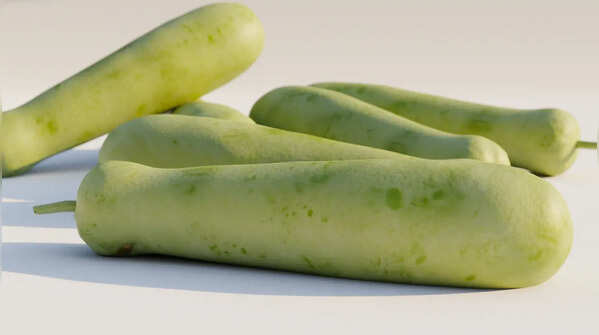
Nutritional values of Lauki
Per 100 gms of lauki offers 14-15 calories, 90-96% water, 4 g carbs. 1.2 g fiber, 0.5-0.7 g protein, 0.1 g fat, 10-12 mg vitamin C, 150-170 mg potassium, and 20-25 mg calcium

Benefits of Lauki
Lauki is high in water content, easy to digest, has cooling properties and is low in calories. It is often recommended in traditional diets during hot weather because it feels light on the stomach and works well in soups, curries, and juices. According to a study, it is loaded with fiber and alkali content, and is said to help in digestion and in treating acidity. It also helps reduce stress and weight, aids better sleep and prevents premature greying of hair. It is also good for the stomach and may help reduce acidity and constipation. Additionally, lauki contains important nutrients like vitamin C, potassium, and iron, which support heart health and help maintain blood pressure.

Nutritional values of Tori
Per 100 gms of tori offers 18-20 calories, 93-95% water, 3.5 g carbs, 2.5 g fiber, 0.5 g protein, 0.1 fat, 15-20 mg vitamin C, 0.3-0.5 g iron, and 20-30 mg calcium
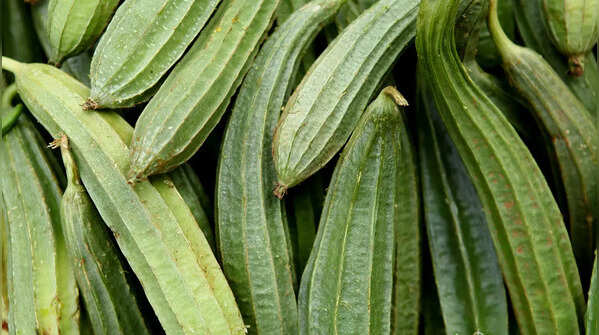
Benefits of tori
Tori contains more fiber and high vitamin C, and is said to provide better digestive support and a slightly richer nutrient profile. Its fibrous texture makes it filling while still being easy to digest, making it a great addition to summer meals. According to a study, it is a good source of fiber (20.6 %) and minerals (7.7 %). Amino acid analysis revealed the highest content of Carnosine followed by aspartic acid and aminoadipic acid. Antioxidant activity of different extracts showed that the ethyl acetate extract was more potent when compared to other solvent extractions. The high fiber content in tori helps improve digestion and prevents constipation. It keeps the digestive system healthy and supports smooth bowel movements.

Which is more nutritious
After the analysis, it is found that both lauki and tori are light, easy-to-digest, and full of goodness. Lauki, might be better when you’re feeling hot, tired or bloated. It cools the body and feels almost like food-as-hydration. Tori, on the other hand is a good choice when you need more fiber and antioxidants. They both are good and you just need to be a little innovative while cooking them, as they are naturally bland and often require extra effort to please the taste buds. Take a look at interesting ways of adding them to your daily diet.

8 interesting ways to eat Lauki
Lauki Do Pyaza: This is a main course dish, made with lauki and lots of diced onion cooked in a semi-dry gravy of ground spices. It is best paired with tawa, or tandoori roti.
Lauki Chana Dal: It's a simple and healthy curry made with soaked chana dal cooked in a pressure cooker along with ghee, diced lauki, green chilies, tomatoes, garlic, salt, and turmeric powder.
Lauki Kofta: Another curry preparation made with grated lauki shaped into kofta balls along with besan and spices, which are deep-fried and then dunked in tomato-onion gravy. It is a comforting main course dish that goes well with roti and rice..
Lauki Bhujiya: This is a side dish made with diced lauki cooked in ghee or mustard oil along with turmeric powder, green chilies, garlic cloves, and salt.
Lauki Raita: It's a condiment made with grated lauki sauteed in ghee along with cumin seeds and green chili and further mixed in curd, seasoned with roasted cumin powder, salt, sugar, and pepper.
Lauki Ka Bharta: For this, you need to roast the lauki, mash it and season with mustard oil, onion, green chilli, salt, pepper, lemon juice, and coriander leaves. It goes well with rice and dal in summer months.
Lauki Paniyaram: Take the regular paniyaram batter of sooji, curd, and spices and add grated lauki to it. Cook paniyaram in paniyaram pan and serve hot with coconut chutney.
Lauki Tikki: It is an interesting and light snack one can make at home. To make it you need to combine grated lauki, besan, onion, salt, pepper, and boiled crushed soybeans. Shape the mixture into tikkis, cook on a tawa with minimum oil and enjoy with mint coriander chutney.
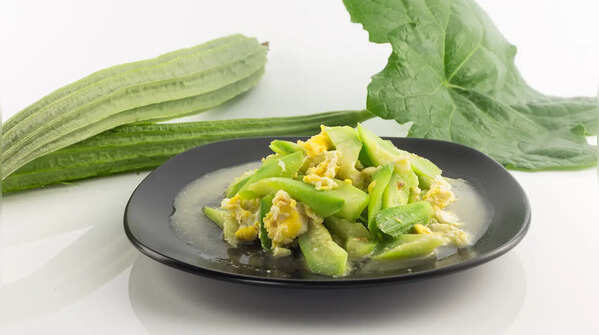
7 interesting ways to eat Tori
Tori Malai Curry: This is a rich and aromatic tori dish, where the vegetable is cooked in a cashew and tomato gravy and is topped with fresh malai, giving the dish a subtle sweetness and freshness, which goes well with roti or paratha.
Stuffed Tori: To make this side dish, you need to make a slit in the tori lengthwise and then stuff it with chopped onion combined with achaar masala. Pan-fry it in mustard oil until soft and tender and serve hot with roti-dal or chawal-dal.
Tori Fry: This is one of the simplest summer recipes, where tori chunks are cooked in a tempering of mustard oil, cumin, and green chili and is seasoned with salt and turmeric. It is best enjoyed with roti.
Tori Chana Dal: This is one of the most popular tori dishes. To make this one-pot meal, you need to cook soaked chana dal along with tori in a cooker in a tempering of mustard oil, cumin, hing, garlic, and green chilli. The spices used in this dish are turmeric and salt and the natural sweetness of the dish makes it an indulgent curry that can also be consumed like a soup.
Tori Pyaz Sabzi: For this semi-dry dish, you need bigger onion chunks, which are cooked along with tori in a kadhai on low flame. The sweetness of both veggies is combined with the kick of garam masala and black pepper, which goes well with plain roti as a lunch meal.
Toi Moong Dal: This is a gut-friendly curry, for which you need to pressure cook tori with soaked moong dal along with turmeric and salt. Add a tempering of ghee, cumin, and onion and enjoy it with plain roti or steamed rice.
Tori ka Chokha: Roast the peeled tori and mash it well. To this, add chopped onion, green chilli, lemon juice, coriander leaves, salt, and pepper. Mix well and your bharta is ready. Enjoy!
Featured In Food

MORE FROM ETIMES
life & style