
- News
- etimes
- animals-pets
- Top 10 fascinating facts about rhinos that make them unlike any other wild animal
Top 10 fascinating facts about rhinos that make them unlike any other wild animal

Top 10 fascinating facts about rhinos
Rhinos are often seen as tough, aggressive animals that quietly roam forests and grasslands, minding their own business – unless disturbed. With their huge bodies, thick skin, and sharp horns, they almost look unreal in person, like something that belongs in a wildlife documentary from another century.
But there’s a lot about rhinos that people usually don’t know. They can run faster than expected and have surprisingly sensitive skin, and some species are now so rare that spotting one in the wild has become incredibly difficult.
Here are 10 interesting facts about rhinos that explain why they continue to be one of the world’s most talked-about wild animals.
Images: Canva (for representative purposes only)

Rhinos are older than humans
Rhinos have existed on Earth for millions of years. In fact, their ancestors lived long before humans appeared.
Some prehistoric rhinos were much larger than modern species, which probably explains why rhinos still have that ancient, almost dinosaur-like appearance today.
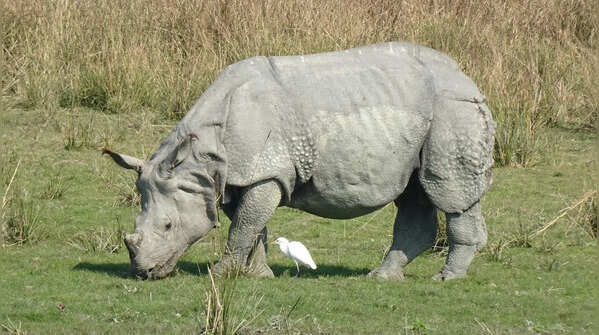
There are only five species left
At present, there are five species of rhinos in the world:
White rhino
Black rhino
Indian rhino
Javan rhino
Sumatran rhino
While some are found in Africa, others live in parts of Asia. Unfortunately, several species are critically endangered.
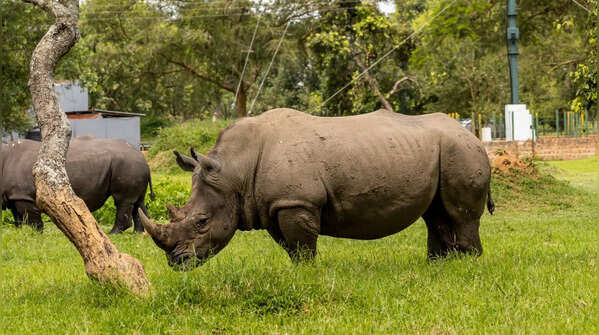
Their horns are made of keratin
A lot of people assume rhino horns are made from bone, but that’s not actually true.
The horn is made mostly of keratin – the same substance found in human nails and hair. Even so, rhinos continue to be hunted illegally because of the demand for their horns in the black market.

Rhinos can run very fast
Looking at a rhino, speed is probably not the first thing that comes to mind.
But despite their size, rhinos can run surprisingly fast. Some can reach speeds close to 50 km/h, especially when they feel threatened.

They love mud for a reason
Rhinos spend a lot of time in mud, and it’s not just to cool off.
Mud protects their skin from insects and harsh sunlight. Since rhinos have sensitive skin, mud acts like a natural protective layer.
Their eyesight is weak
Rhinos cannot see very clearly, especially over longer distances.
Because of this, they rely more on their hearing and strong sense of smell to understand what’s happening around them.

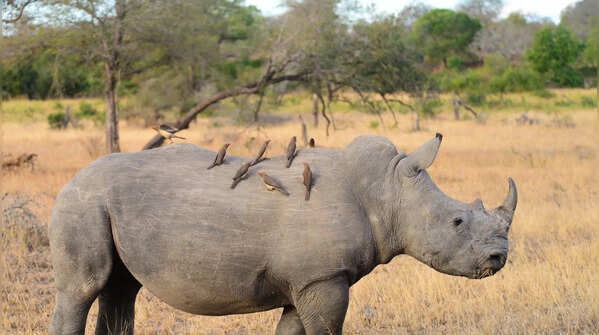
Birds often sit on rhinos
In Africa, birds called oxpeckers are often spotted sitting on rhinos.
These birds eat ticks and parasites from the rhino’s skin. It helps the bird get food while also helping the rhino stay cleaner.
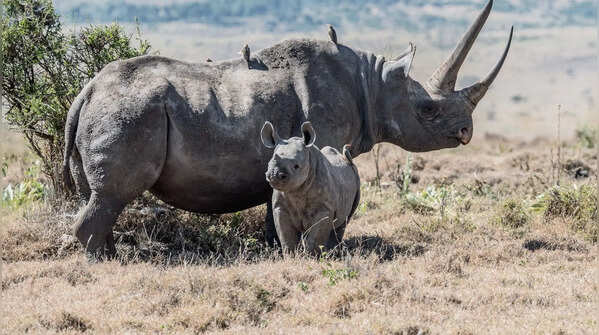
Baby rhinos stay with their mothers for years
Rhino calves stay close to their mothers for a long time, sometimes up to three years.
During this phase, they learn survival skills and remain protected from predators and threats in the wild.
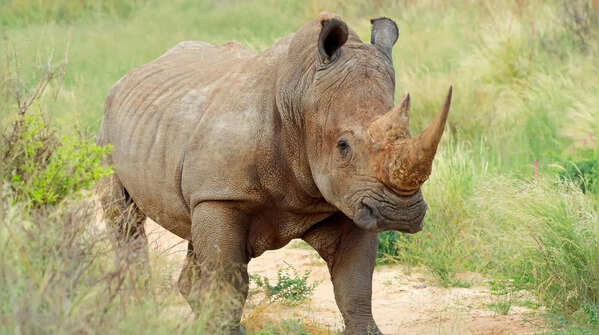
Rhinos help maintain nature’s balance
Rhinos play a surprisingly important role in their ecosystem.
As they graze and move around, they help maintain grasslands and create spaces that benefit other animals living in the same habitat.

Rhinos are still under threat
Even today, poaching and habitat destruction continue to threaten rhino populations.
Conservation efforts in different countries have helped save some species, but others remain dangerously close to extinction.
Featured In etimes

