
- News
- lifestyle
- home-garden
- 5 cat breeds with strong snake-hunting instincts that can help protect your home and garden
5 cat breeds with strong snake-hunting instincts that can help protect your home and garden
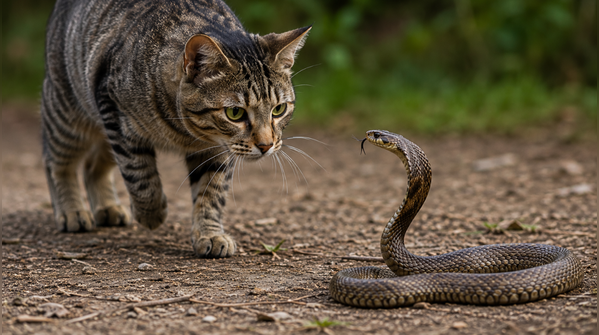
Cats can sense snakes in ways humans simply can't
If you're living in snake territory, you've probably wondered whether your cat could actually help keep those slithering intruders away. Some cat breeds are genuinely better equipped to deal with snakes than others. Their hunting instincts, physical abilities, and sheer confidence make them formidable predators even when faced with reptiles.
Cats have their predatory instincts and heightened senses that make them excellent hunters. These traits allow them to be aware of nearby prey, including snakes. Their superior senses allow them to detect snakes even though they aren't visible, meaning they're basically security systems with whiskers.
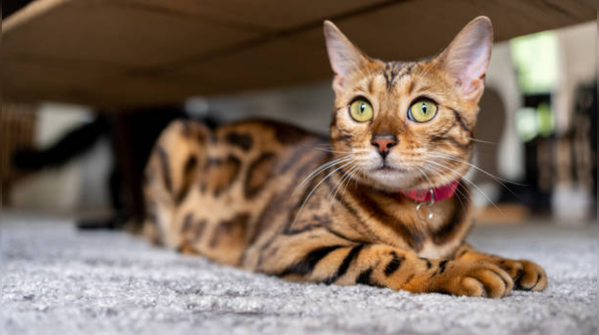
The Bengal
Start with the Bengal, and you're looking at a breed that was literally created for hunting ability. Bengals are speedy, agile, and genuinely curious about everything that moves. More importantly, they have a strong prey drive that doesn't switch off just because they're living in your house.
America's best national parks for snake spotting
These cats are easily bored without enrichment, prone to turning everyday objects, other animals, or people into prey. If a snake is in your yard, a Bengal isn't going to ignore it. They're highly energetic and curious, with the kind of athletic build that lets them pounce with precision. The agility and speed that comes naturally to this breed means they can react to the sudden, unpredictable movements a snake makes.
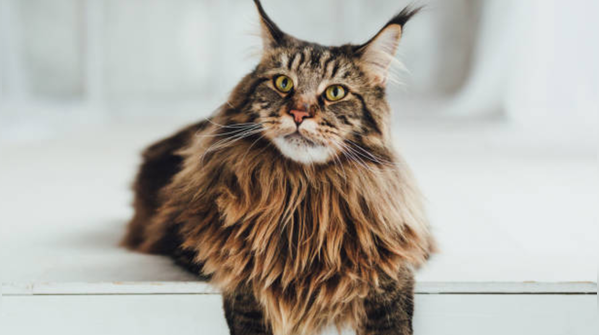
Maine Coon
It's easy to look at a Maine Coon and think you're looking at an overgrown teddy bear, which they basically are in temperament. But don't let the cute fluffiness fool you. This breed was literally born to hunt. Maine Coons originated in North America and were kept on ships and farms specifically to control rodent populations. They were historically valued as skilled rat catchers.
The Maine Coon possesses a natural hunting instinct that's almost unmatched in the cat world. These cats combine physical power with sharp instincts, and their size actually works in their favor when dealing with reptiles. A snake that might intimidate a smaller cat becomes manageable for a 25-pound Maine Coon with the muscle to back it up. What really sets them apart is their keen sense of awareness.
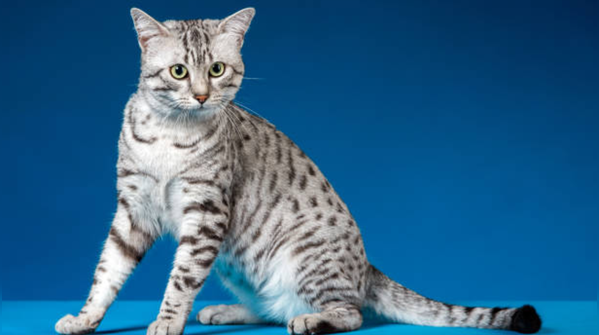
Egyptian Mau
Here's where things get genuinely impressive. The Egyptian Mau is the fastest domestic cat breed, clocked running at nearly 30 miles per hour.
What's wild is that people used to welcome Egyptian Maus into their homes due to their ability to catch rodents and snakes. The Mau's physical characteristics make them exceptional snake hunters. Their keen eyesight and acute senses aid in spotting and tracking prey.
Turkish vans
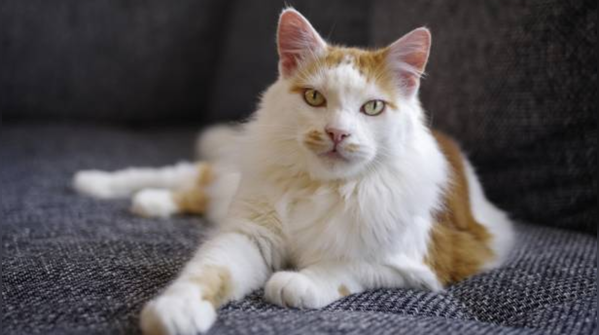
Turkish Vans are considered very intelligent with a strong hunting instinct, and they're known to be excellent climbers and jumpers.
These cats are energetic and always on the move, which means they're constantly patrolling. They're not the type to sit on a porch; they're actively exploring their environment. Their athletic build and natural curiosity combine with actual hunting drive that hasn't been bred out of them. Turkish Vans were developed in a specific geographic region where they needed to survive on their own, which means their hunting instincts are legitimate and well-developed.
Siamese
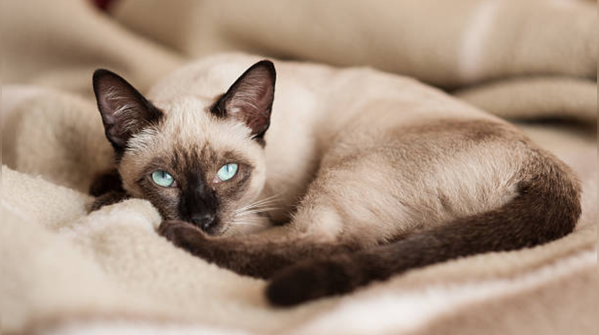
Siamese cats get overlooked in these conversations, but they actually have a solid hunting pedigree. These cats are highly intelligent with strong communication skills, but what people don't always mention is their predatory nature.
The intelligence of Siamese cats actually works in their favor when dealing with snakes. They're problem-solvers who can figure out how to approach and capture prey in ways that require actual tactical thinking. This makes them more effective than breeds that hunt purely on impulse.
The science behind it
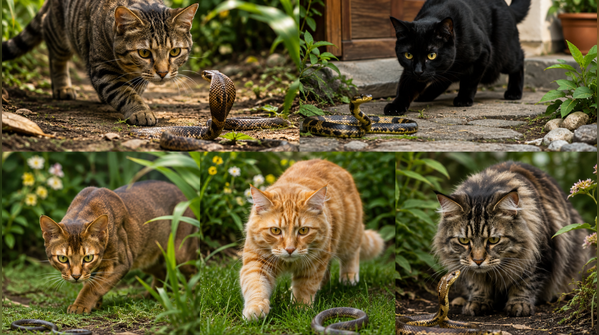
Research shows something interesting: indoor cats may actually be more motivated toward predatory play than cats with outdoor access. A 2021 study found that indoor cats showed more intense reactions to prey-like stimuli, suggesting that the hunting instinct isn't something that gets used up—it gets concentrated. For all these breeds, whether they live indoors or outdoors, that drive remains sharp.
The takeaway is simple: if you're in snake territory and want a cat that might actually handle the situation, you're not choosing randomly. You're choosing a breed with documented hunting history, physical advantages, and genuine predatory instincts.
That said, no cat is a guarantee against snakes, and it's always better to have a professional handle a snake encounter than to rely on your feline friend, no matter how impressive their hunting record is.
Featured In lifestyle

MORE FROM ETIMES
life & style