
Hospital anxiety? These 5 words often make it worse

Hospital anxiety? These 5 words often make it worse
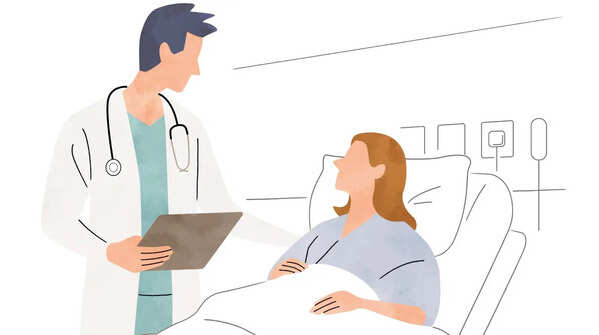
Hospital visits can be stressful. For some people, it can feel even worse. Remember the time when Rachel Green (Friends) endured eye irritation to avoid a doctor’s visit. It sounds dramatic, but for some, it’s all too real. Unfamiliar surroundings, medical procedures, and uncertainty about outcomes can make some people extremely anxious. Many healthcare providers do not realise that certain words and phrases can amplify this stress. Understanding which language to avoid—and what to use instead—can make a meaningful difference to patient comfort and outcomes.
‘Just’
This seemingly harmless word can make patients more anxious. Saying things like ‘It’s just a small procedure’ or ‘You’re just being nervous’ dismisses patients’ worries. They might end up feeling that their reaction is dramatic and later try to internalise the fear and emotional vulnerability. Instead, one has to acknowledge their emotions. Something like, ‘I understand this feels significant to you, and I’m here to help you through it,’ will hit the right spot. These words will reassure them.

‘Abnormal’
Another word that leads to catastrophic worries is ‘abnormal’. It can trigger fear if not given context or followed by an explanation. Patients may expect worst-case scenarios before doctors can clarify what the finding actually means for their health. Unless the word is essential, it should not be used. Instead, explanatory language such as ‘The result is slightly outside the typical range’ may help.

‘Quickly’
This word can be extremely confusing and problematic within the walls of a hospital. You should not tell a patient that test results will come quickly unless they will. Tests take hours; similarly, appointments may take time, and procedures may be rescheduled. If ‘quickly’ does not materialise, patients may feel betrayed, which will only increase their anxiety. Instead, tell the truth. Be honest. For instance, something like ‘This test usually takes about 45 minutes, though you may wait longer before your appointment’ will not leave them nervous.

‘Probably’
Within a hospital setting, ‘probably’ should be used with caution. It can be problematic if it is not followed through. Telling patients things like ‘You’ll probably be fine’ or ‘This probably won’t cause problems’ can leave them feeling tense. Instead, provide clear, evidence-based information. Tell them, ‘Based on current research, patients with your condition typically recover well’ or ‘We’ll monitor this specific marker.’

‘Failure’
You should not use the word ‘failure’ unless it is clinically necessary. The emotional weight of the word goes beyond its clinical meaning, and people may interpret it personally. They may not understand that such complications are beyond their control. Instead, consider saying, ‘This approach didn’t produce the results we hoped for, but it gives us valuable information for the next step.’
Featured In etimes

