
- News
- lifestyle
- parenting
- newborn-infant-care
- Oncologist warns parents should NEVER use these products on children: Some of these are surprisingly common
Oncologist warns parents should NEVER use these products on children: Some of these are surprisingly common
Oncologist warns parents should NEVER use these products on children: Some of these are surprisingly common
Not every baby product is as safe as it appears. Many everyday items parents unknowingly use on their child may expose children to harmful chemicals and irritants. Experts repeatedly emphasise that parents need to be extra cautious about what they use around them.
Highlighting this, a Hyderabad-based Oncologist Dr Arrjun Sankaran, recently shared a list of common products parents should avoid using on children. According to him, children are more sensitive to chemicals, fragrances, and harsh ingredients than adults. He adds that some everyday products may irritate the skin, affect breathing, or expose children to things they simply don’t need at a young age.
Here are some products the expert says parents should not use on their children:
Talcum powder
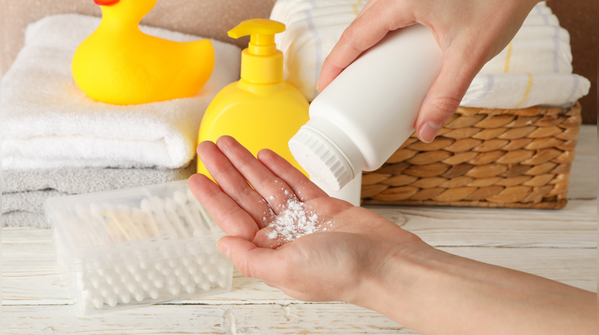
Almost every parent uses talcum powder to keep the baby’s skin dry and free from rashes. However, experts suggest that these products may not be as harmless as they appear. Dr. Sankaran says, “Talcum powder has always been contaminated.” He implies that those products have historically faced contamination concerns.
The oncologist advises parents that the best bet is not to use talcum powder on genital areas and the nose.
Plastic feeding bottle
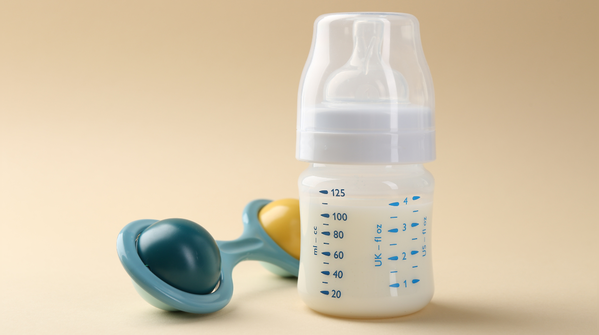
Dr. Sankaran says many plastic feeding bottles today are advertised to be BPA, BPS, BPF-free. However, he cautions that when these bottles undergo repeated sterilization cycles, the plastic gradually gets damaged. Over time, chemicals and microplastics may leach into the milk or liquids consumed by children.
Chemical sunscreen
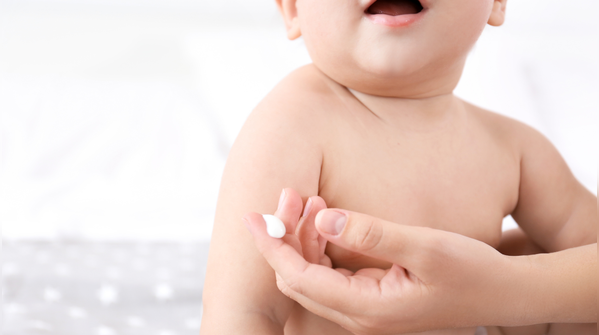
Protecting children from the sun is important, but not all sunscreens are created equally. Dr. Sankaran advises parents to avoid all chemical sunscreens for kids.
He also recommends using mineral based sunscreens instead of chemical based ones which contain either zinc oxide or titanium dioxide. These are generally considered gentler for children’s sensitive skin.
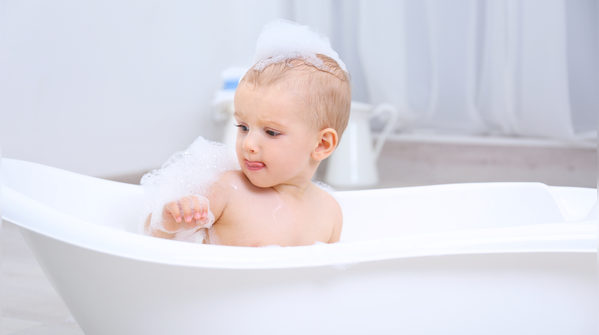
Synthetic fragrance products- bodywashes and shampoos
According to the oncologist, most of these products contain a lot of phthalates and formaldehyde-releasing agents which are extremely unhealthy for children’s skin as they are major endocrine disruptors. The concern becomes even greater for children under three years old because their skin is much thinner than adult skin, making absorption easier.
Fragrance products may seem attractive, but they are harmful to children’s skin.
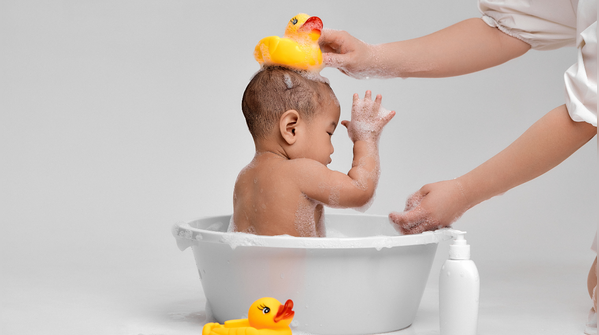
Squeaky rubber toys
Colourful squeaky bath toys are common in many households, but oncologist Sankaran warns parents to be careful with them. According to him, most of these toys contain phthalates and when these are put in warm water, the release of chemicals increases. Combined with the moist environment, this may increase exposure to unwanted substances.
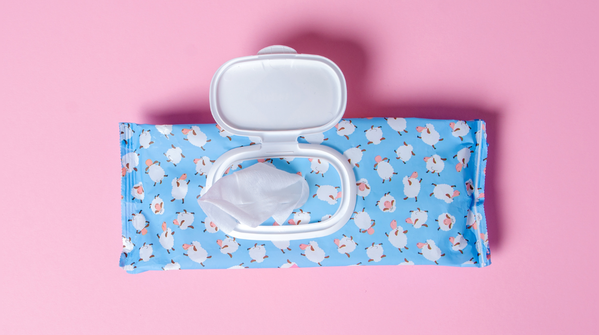
Scented baby wipes
Baby wipes are convenient, but scented versions may not be ideal for a child’s sensitive skin. Dr. Sankaran advises never to use them. He warns that fragrance wipes may contain polyethylene glycols (PEGs), fragrances, and possible contaminants like ethylene oxide. Since wipes are used directly on delicate skin multiple times a day, repeated exposure to fragrances and chemicals may trigger irritation or sensitivity. Unscented wipes or simply using soft cotton cloths with water can be a gentler option for babies.
Ultimately, parents do not need to panic over every product in the house, but becoming more mindful about ingredients and choosing gentler alternatives can help reduce unnecessary exposure during childhood.
Featured In lifestyle

MORE FROM ETIMES
life & style