- News
- lifestyle
- soul-search
- Why do bad things happen to good people? What the Bhagavad Gita explains
Trending
Why do bad things happen to good people? What the Bhagavad Gita explains
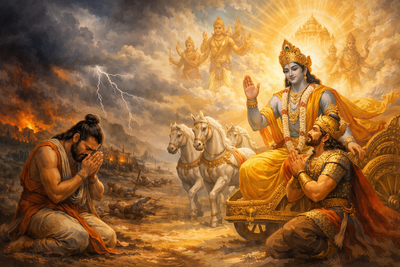

Suffering is not always personal

Attachment intensifies pain
Suffering as a teacher, not a verdict

The soul remains untouched
Action without bitterness
The quiet conclusion

About the AuthorTOI Lifestyle Desk
End of Article
Follow Us On Social Media
Health +
Tired of too many ads?go ad free now
lifestyle videos
Featured In Lifestyle

Tired of too many ads?go ad free now



MORE FROM ETIMES
life & styleHot on the Web
Katrina KaifRanbir KapoorKing CobraRekhaEleanor RooseveltSunjay KapurBenjamin FranklinKarisma KapoorDementia RiskMahieka SharmaSuper MarioYami GautamHindi Spoken CountriesTu Meri Main Tera Main Tera Tu MeriBha. Bha. Ba. CollectionSleep MistakesAvatar Box Office CollectionKis Kisko Pyaar Karoon 2 CollectionBrian ZapsCharles DickensYoga AsanasToni MorrisonDhurandhar Movie CollectionAkhanda 2 Full Movie CollectionAkshaye KhannaGeorge WashingtonTere Ishk Mein CollectionDhurandhar Movie ReviewJ K RowlingAkhanda 2 Movie ReviewPulchritude WordAncient EgyptRice Bran Vs Sunflower OilWinter Solstice 2025Horn Ok PleaseElon Musk Net WorthMark Zuckerberg LessonsShimla TravelsMagnesium Deficiency SymptomsOptical illusionOzempic
Trending Topics
Latest MoviesBollywood MoviesHollywood MoviesTamil Movies 2025Telugu Movies 2025Malayalam Movies 2025Kannada Movies 2025Marathi Movies 2025Bengali Movies 2025Top Rated Movies 2025Best Hindi MoviesBest English MoviesBest Telugu MoviesBest Tamil MoviesBest Malayalam MoviesBest Kannada MoviesBest Bengali MoviesUpcoming Hindi MoviesBest Movies Of All TimeBest Hindi Movies of All TimeLatest English MoviesLatest Malayalam MoviesEnglish TV NewsTamil TV NewsTelugu TV NewsMalayalam TV NewsKannada TV NewsMovie ReviewsBhojpuri Cinema NewsGujarati Cinema News
Popular Categories
Viral NewsK Pop NewsWeb Series NewsAnime NewsUpcoming English MoviesUpcoming Tamil MoviesUpcoming Telugu MoviesUpcoming Malayalam MoviesUpcoming Kannada MoviesFashion TipsTravel NewsEntertainment NewsBollywood NewsTollywood NewsKollywood NewsMollywood NewsFood NewsLatest Hindi MoviesLatest Tamil MoviesParenting TipsHome RemediesWeight LossBeauty TipsParenting TipsHindi VideosHindi Video SongsBhojpuri Music VideosLatest Telugu MoviesBhojpuri Music VideoHindi TV News
Latest News
Why is 26th December known as Boxing Day?Rashmika Mandanna spotted donning a similar hoodie to Vijay Deverakonda ahead of their New Year vacationDelhi cops 'trap' shoppers with QR codes promising a 'free gift'; school them on cyber safetyEleven and Hopper’s relationship is the focus in the ‘Stranger Things 5’ finale: Matt Duffer shares details'One year without MT Vasudevan Nair': Mammootty remembers his guru; 'Randamoozham' UPDATE outTaylor Landfair shares emotional message after Nebraska Volleyball’s heartbreaking 2025 NCAA exitLayoffs due to AI are no longer making Wall Street and investors happy, says Goldman Sachs; and also makes a prediction for 2026"Now that I am getting married, 10 things I want my dad to know"Jamie Campbell Bower on Vecna's inspiration in 'Stranger Things 5'Anti-encroachment operation outside Jaipur mosque: 4 cops hurt in stone-pelting; heavy police deployedFrench apples showcased in Mumbai ahead of all-India retail roll outHow dating fatigue fueled the innovation of a new platform‘Celebrity MasterChef’ fame Rajiv Adatia celebrates Christmas in London, says, ‘the best time of year’From Sonakshi Sinha - Zaheer Iqbal, Saif Ali Khan - Kareena Khan to Tamannaah Bhatia, here's how Bollywood celebrated Christmas 2025'Hid mobile phone, talking to boyfriend': UP man strangles wife over suspicion, buries her behind houseWhy do bad things happen to good people? What the Bhagavad Gita explainsApple foldable iPhone design leaked online; resembles Google Pixel Fold‘Yeh Rishta Kya Kehlata Hai’ December 25 episode written update: Krish’s truth gets exposed