
- News
- lifestyle
- health-fitness
- fitness
- What happens when you practice 'sideways walking'
What happens when you practice 'sideways walking'
What happens when you practice 'sideways walking'
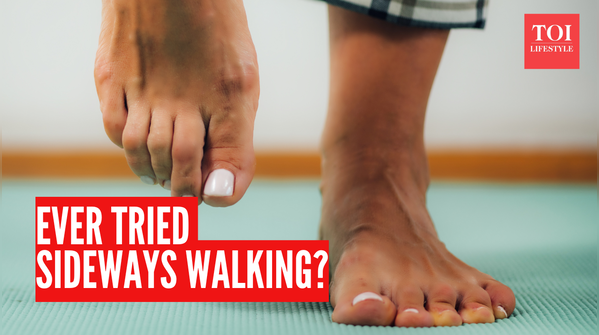
We all are aware of the many benefits of walking. However, a slightly different approach can challenge the brain in ways regular walks cannot. What if instead of forward steps, you take steps laterally. Gaining attention on social media these days, this walking technique is widely practiced in sports training and fall prevention programs. So let’s take a look at what happens when you practice sideways walking.
How to practice sideways walking
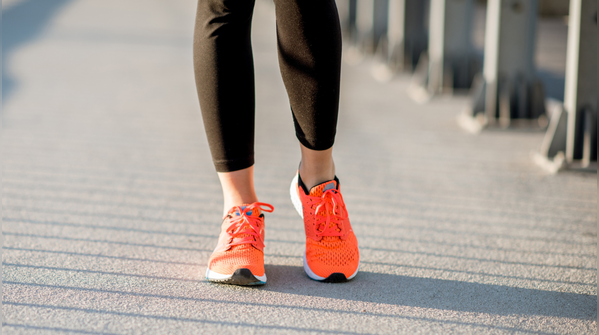
Sideways walking involves stepping laterally in an upright posture, with coordinated movements. This type of walk is similar to walking like a crab, literally. To practice:
Stand upright with feet hip-width apart. Start with stepping one foot out to the side. Lean the body weight onto that foot and then bring the other foot towards it. Carefully take controlled steps similarly, and then reverse direction and repeat.

Activates the ‘less-used’ muscles
Some muscles don’t get enough ‘attention’ through everyday movements. However, sideways walking can make a difference, as it engages the hip abductors and adductors. This is beneficial because when the supporting muscles are strong, the body moves more smoothly.
Trains balance and movements
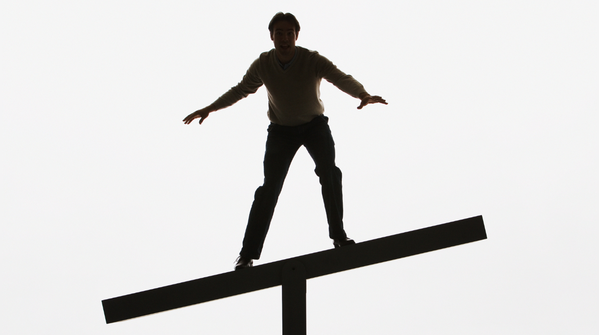
A study published in Springer Nature Link found that a 6-week sideways walking intervention in community-dwelling older adults showed significant improvement in fall-risk–related outcomes, including balance and lateral stability.
Sideways walking challenges you mentally
A study in Gait and Posture Journal shows that when we walk with altered foot placement, the brain has to focus more on balance and movement control. The same happens when you practice increased steps. Studies also show that sideways walking involves greater neural involvement.
Featured In lifestyle

MORE FROM ETIMES
life & style