
- News
- lifestyle
- health-fitness
- health-news
- 5 exercises for a stronger, firmer wrist (and why that matters)
5 exercises for a stronger, firmer wrist (and why that matters)
5 exercises for a stronger, firmer wrist (and why that matters)
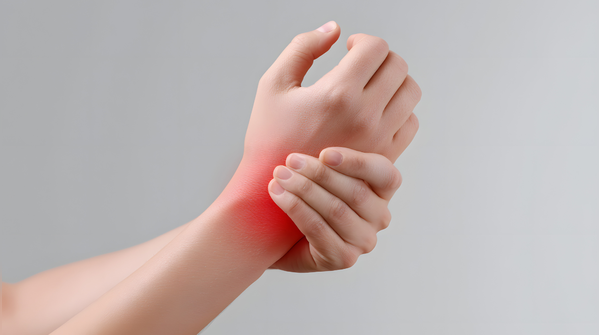
Weak wrists surprise you. You pick up a weighted bag or attempt a plank, and before you know it, everything is wobbling. Whether lifting weights in the gym, typing at work, or playing a sport, strong wrists mean a steady hand and reduced risk of injury.
Below are exercises that will help build strength in these muscles related to forearm movement and grip. Perform these exercises two or three times a week with a light start, and increased strength will follow in a few week.
Begin with a quick warm-up routine. Roll the wrists in circular motions for ten repetitions in either direction; then press the palms against each other and push down for a gentle stretch extension.
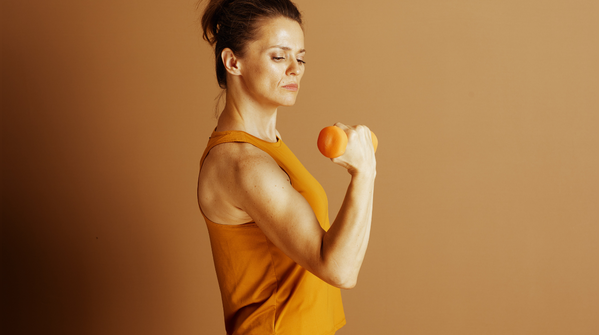
Wrist curls For flexor strength
Sit up straight with your forearm on your thigh, resting your elbow on your thigh with your forearm facing up and a light dumbbell or water bottle in your hand. Hang your arm over the edge. Lift your wrist up slowly, holding the contraction for a second at the top before lowering it back down. Aim for three sets of twelve to fifteen repetitions on each side. Stimulation area: underside of your forearm, gripping muscles used daily
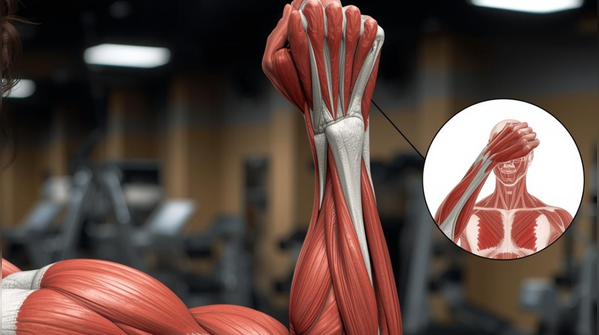
Reverse wrist curls
Turn your wrist down with your palms facing the floor in the same spot. Raise your knuckles up towards the ceiling with control. Lower slowly. Three sets of twelve to fifteen repetitions. These exercises are easily forgotten. Yet they complement the muscles of the top of the forearm to ensure that you’re not pulling or pushing unevenly.
Forearm and wrist
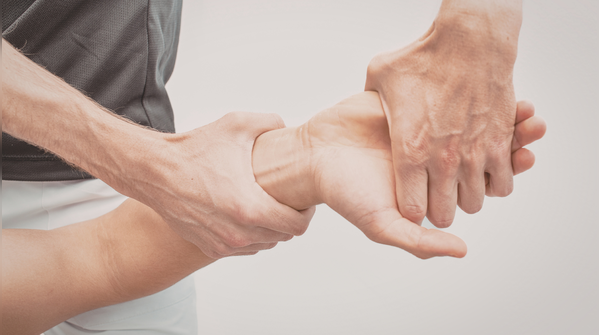
Pronation-Supination to control rotation
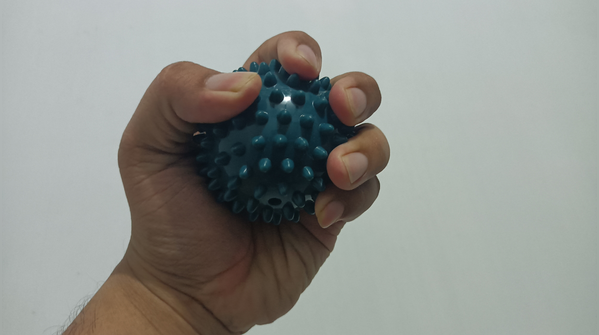
Stronger grip by squeezing
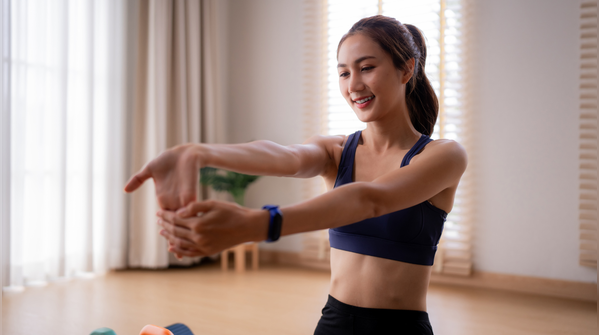
Pick up a tennis ball or a stress ball or a towel and roll it up. Squeeze as hard as you can for five seconds and then let it go. Do this set three times with ten to fifteen reps. You can do this exercise without stepping into a gym and it is a great activator for your hand and forearm regions when it comes to performing daily tasks. Stretch at the end. Stretch out one arm, use the other hand to pull fingers backward, hold for twenty seconds for each side. Start with lighter weights when you easily feel you can lift heavier. Still, use neutral wrist positioning when performing physical exercises, for example, when doing push-ups with handles. Having strong wrists will help you avoid pulls and feel confident while executing any move, improve grip endurance, reduce joint strain, enhance coordination, support injury prevention, and promote long-term functional strength in everyday activities.
Featured In lifestyle

