
What is the person who makes pizzas called?
What is the person who makes pizzas called?
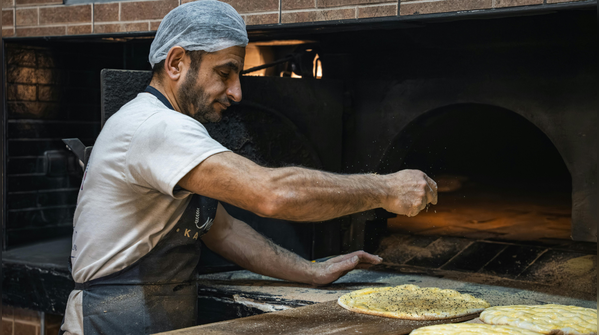
It is one of those small questions that sits quietly in the background of everyday life, even as pizza itself occupies a much bigger emotional space. We order it when we are hungry, celebrate with it when we are happy, and reach for it when nothing else feels quite as comforting. Yet behind the smooth stretch of cheese and the blistered edge of a crust, there is a person whose skill decides whether the whole thing becomes memorable or forgettable. That person does far more than assemble ingredients. They work heat, timing, texture, instinct, and repetition into something that feels effortless from the outside. Their hands know when dough is ready, when sauce is balanced, and when the oven has done just enough. The name for that craft carries the scent of flour, fire, and long hours. Scroll down to know more...
The craft behind the crust
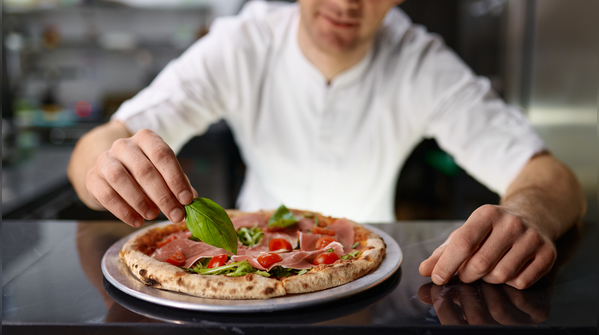
A pizza is simple only in appearance. Beneath that familiar round shape lies a process that rewards patience and punishes carelessness. The dough must be mixed, kneaded, rested, and shaped with a touch that is both practiced and intuitive. Too much handling and it turns tough. Too little and it never develops the structure that makes a good base hold together.
This is where the pizza maker begins to stand apart from someone merely following a recipe. A skilled pizza maker understands the feel of the dough in a way that cannot be taught in a single afternoon. Humidity, flour quality, fermentation time, oven temperature, sauce thickness, cheese melt, topping weight, every detail changes the final result. A good pizza is not just cooked. It is judged continuously, almost like a conversation between the maker and the oven.
More than just a cook
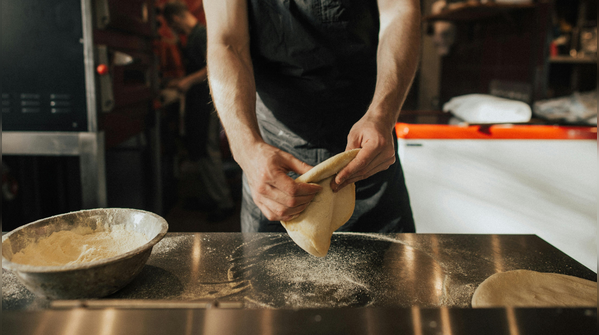
The word people commonly use for this person is pizzaiolo, especially in Italian tradition. In plain English, many people also simply call them a pizza chef or pizza maker. But the Italian term has a special weight because it reflects the history of the craft itself. It does not describe someone who only works at a counter or drops toppings onto dough. It points to a specialist, someone trained in the rhythm of pizza-making as an art form.
That distinction matters. In a world where food is often reduced to convenience, the pizzaiolo represents something older and more deliberate. They work with fire the way a musician works with rhythm. They know how to read a dough ball by touch. They understand that a few seconds too long in the oven can change everything. The job may look straightforward, but the judgment behind it is anything but.
Why the name matters
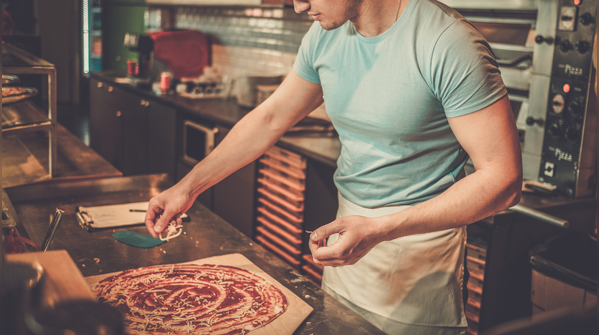
Language often hides respect in plain sight. Calling someone a pizza maker sounds functional. Calling them a pizzaiolo gives the craft a sharper identity. It recognises that pizza, especially in its classic Italian form, is not random fast food but a disciplined tradition shaped over generations.
That tradition has travelled far. In Naples, the birthplace of many beloved pizza styles, the craft is closely associated with heritage, technique, and pride. Elsewhere, the same role may be adapted to different kitchens and cultures, but the heart of it stays similar: dough, heat, balance, and timing. Whether the pizza is thin and charred or thick and soft, the person making it is still responsible for turning simple ingredients into something people remember.
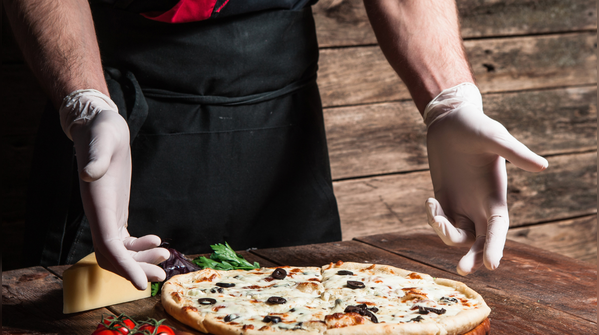
What separates a good pizza maker from a great one
Anyone can scatter toppings. Not everyone can make a pizza worth returning for. What sets a great pizza maker apart is control without stiffness. The best ones do not overcomplicate the process, but they also do not take shortcuts that flatten the result. They know how to let the dough develop naturally. They know that sauce should support, not drown. They understand that cheese should melt into harmony, not collapse into grease. Most of all, they know that the oven is not just a machine but a partner in the process.
A great pizzaiolo also brings consistency. That is easy to overlook, but it is one of the hardest things in cooking. Making one excellent pizza is impressive. Making dozens, each with the same care and balance, is a different level of skill altogether. It takes focus, memory, and a kind of calm pressure that only experience can provide.
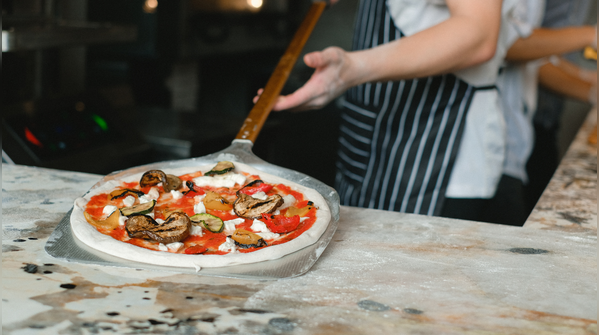
A job with pride baked in
There is something quietly dignified about the person who makes pizzas. The work is active, hot, and often fast-paced, but it carries a visible reward: the finished pie lands in front of people almost immediately, and their reaction tells the story. A satisfied table, a clean slice, a moment of silence while everyone eats, that is the feedback loop of the job.
So the next time a pizza arrives at your table, it is worth thinking about the person behind it. They may be called a pizza chef, a pizza maker, or, in its most rooted and traditional form, a pizzaiolo. Whatever the label, the role is larger than it first appears. It is part cook, part craftsman, and part guardian of a food that people around the world treat with almost universal affection.
Featured In Food

