
- News
- lifestyle
- home-garden
- 8 plants that attract birds in your balcony
8 plants that attract birds in your balcony
8 plants that attract birds in your balcony
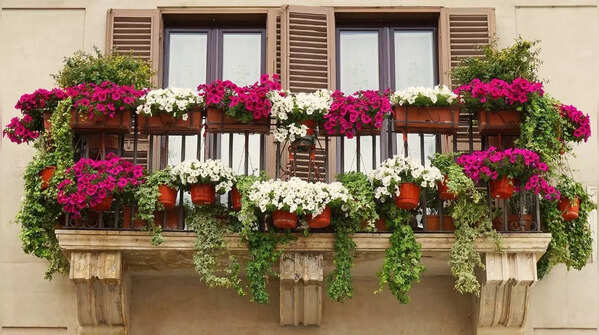
Even a small balcony can be a haven for birds if planted appropriately. Birds easily get attracted to those areas that offer them food, shelter, and some sort of safety. Some plants offer nectar, seeds, berries, or insects that are essential components in the diet of birds. By choosing the right plants, urban dwellers can enjoy the soothing presence of birds while contributing to local biodiversity.

Sunflower
Sunflowers are one of the most welcoming plants to birds that you may grow in a balcony pot. Their large flower heads produce abundant seeds, attracting sparrows, finches, and pigeons. Besides providing a food source, sunflowers also invite insects into your garden, which further attracts insect-eating birds. They thrive in the sun and require very little care.
Hibiscus
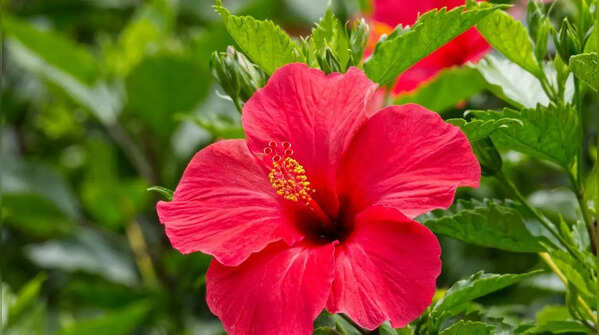
Hibiscus plants are one of the best to attract nectar-feeding birds, like sunbirds. With their huge, brightly coloured flowers, it is so easy for the birds to reach for the nectar. Hibiscus adds tropical charm to balconies and can bloom quite frequently in warm climates, hence becoming consistent with bird attractions throughout the year.
Bougainvillea
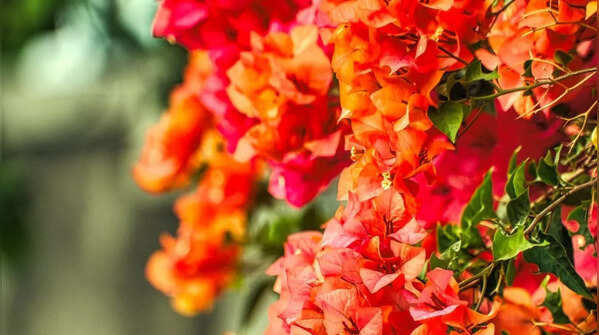
The bougainvillea offers dense cover for birds to seek shelter or nest inside. Though they do not produce nectar, they attract insects, which in return attract birds. Its thorny branches also offer protection from its predators, making the birds feel safe while resting or nesting.
Jasmine
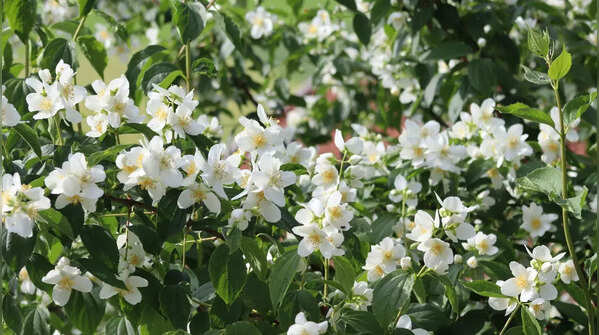
Jasmine plants are famous for their fragrance of white flowers, attracting insects and nectar-seeking birds. The birds often visit jasmine-covered balconies for feeding and rest. It grows well in containers and maintains a cool environment with its fragrance, mainly in early morning and evening times.
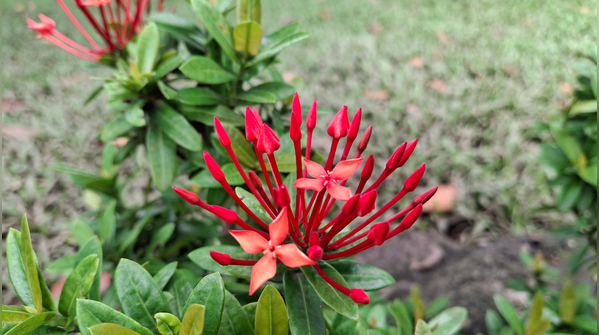
Ixora
The clustered flowers of ixora are rich in nectar and especially attract sunbirds and butterflies. This evergreen shrub flowers for long periods and adapts well in pots. Its bright red, pink, or orange-coloured flowers make them both ornamental and highly beneficial for birds.
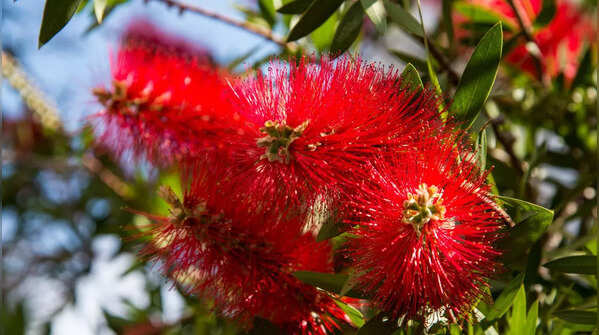
Bottlebrush
Bottlebrush flowers, as the name suggests, are very much like brushes full of nectar-full spikes. The birds feeding on nectar simply love them. Bottlebrush plants, grown in large containers, render the balconies frequent visiting zones of birds.
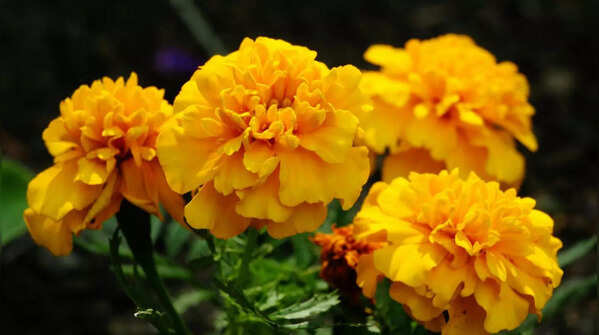
Marigold
Marigolds attract insects such as bees and butterflies that, in turn, draw insect-eating birds. Easy to grow, they flower profusely and bring bright colour onto a balcony. The birds won't eat the flowers, but marigolds support a food chain that benefits them.
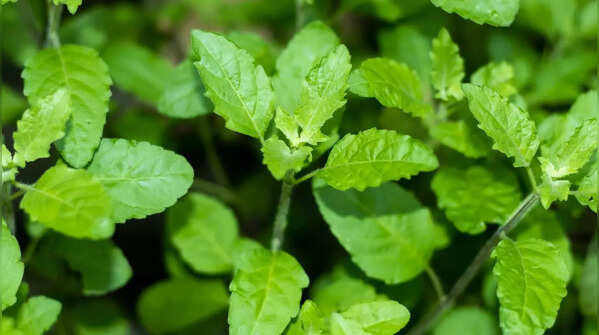
Basil (Tulsi)
Basil, including holy basil, attracts insects and produces seeds that birds consume. Its full growth also provides birds with a warm resting place. It is easy to grow in containers and has various spiritual and ecological functions in many Indian homes. A bird-friendly balcony does not need large trees or a big space.
Compact urban balconies can also support the life of birds with the right selection of plants. Such plants attract birds, add greenery, improve air quality, and bring natural serenity into life. A balcony planted with thoughtfulness becomes shared space between humans and birds.
All Images Credit: Canva
Featured In lifestyle

