
- News
- lifestyle
- home-garden
- 5 most common reasons fire alarms start beeping unexpectedly
5 most common reasons fire alarms start beeping unexpectedly

Common reasons fire alarms start beeping unexpectedly
Of course, it always happens at the worst moment: you’re deep asleep, the house is quiet, maybe you just dozed off, and suddenly you hear it — a stubborn “chirp” from somewhere overhead. Most people’s first thought is “fire!” But, truth is, that noise is usually about maintenance, not an emergency. Still, it’s annoying enough to throw your whole day off.
Fire alarms and smoke detectors love to talk through beep patterns, and most don’t think “SOS.” According to fire safety pros and alarm manufacturers, random beeping is actually one of the most common household headaches. It comes from low batteries, a little dust, old sensors, humidity, or, believe it or not, bugs crawling inside. But every beep is a heads-up; don’t ignore it just because it feels harmless.
With more homes relying on smart alarms and battery backups these days, it’s important to know what’s behind that unwelcome noise. If you ignore beeps for weeks or months, you might find yourself without protection when you really need it.
Here, we lay out the five most common reasons your alarm might be beeping nonstop, even when there’s no fire.
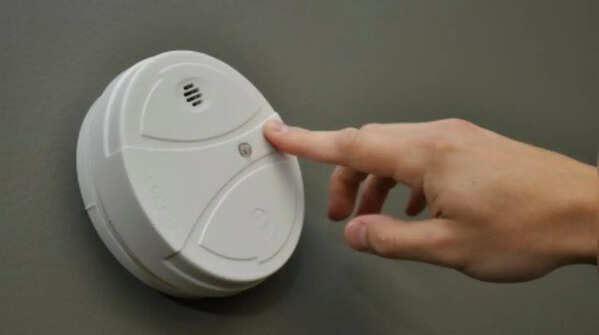
Low batteries
This is the big one. Most smoke detectors send out a high-pitched chirp every half to full minute when the battery’s almost drained. Sometimes, hardwired alarms will do it, too, as they have backup batteries that die and set off the same warning. Oddly, you’ll probably hear these chirps at night more than during the day; cool temperatures can drain batteries just enough to set off the alarm while you sleep. If you’ve ever felt like your house is playing hide-and-seek, it might just be a dying fire alarm.
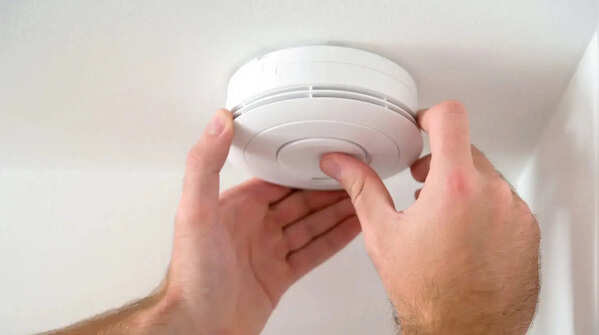
Old smoke detector or dust inside
Here’s the thing: smoke alarms don’t last forever. Most should be swapped every eight to ten years. The inner sensors wear out, and a lot of alarms are designed to let you know it’s time for retirement with constant beeping. Then there’s the dust issue. These detectors are on high alert for tiny particles. Dust, bugs, pet hair, or even a few stray cobwebs can throw them off. If your alarm is near a kitchen, garage, open window, or construction, it’s at higher risk for these random alerts.
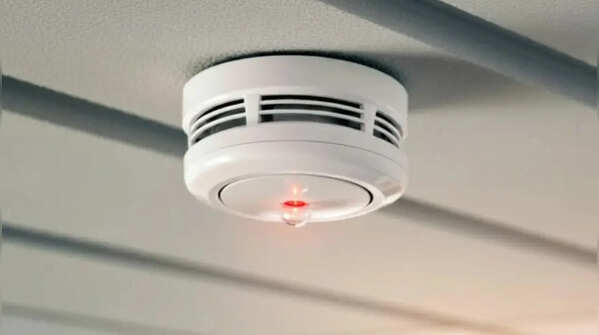
Humidity or steam
If you put an alarm right next to a bathroom or a kitchen, it might get tripped up by hot showers, boiling water, or muggy weather. Steam can fool the sensor just like real smoke does. The same goes for burnt toast, too; anything that throws particles into the air (especially in small amounts) is fair game. The newer photoelectric alarms are super sensitive, which is great for safety, but sometimes they pick up just a little too much during everyday cooking.
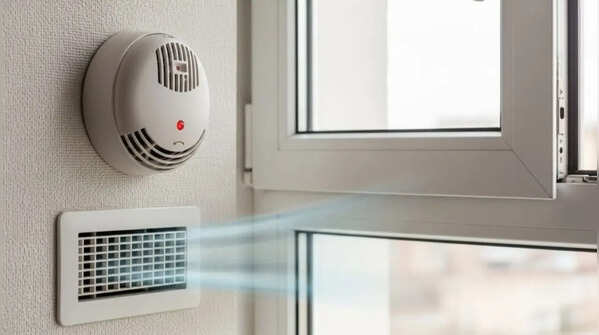
Bad placement or other devices
Sometimes, it’s not about the alarm itself, but where it sits. Alarms by windows, vents, heaters, or doors can mistake drafts or temperature changes for smoke. And sometimes something else in your home that might chirp in just the same way, which makes tracking down the culprit extra confusing — think CO detectors, home security alerts, even sump pumps or appliances.
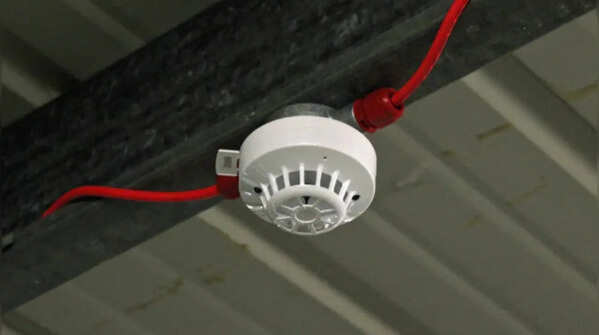
Installation problems or leftover charge
Now, it’s not unusual for an alarm to keep beeping after the batteries are replaced. Sometimes there’s a little leftover electrical charge, or the battery’s not sitting right. Try taking out the battery, unplugging the unit, pressing the test button for a few seconds, and then resetting everything. If the drawer’s loose or the battery’s upside down, you’ll still get that annoying chirp.
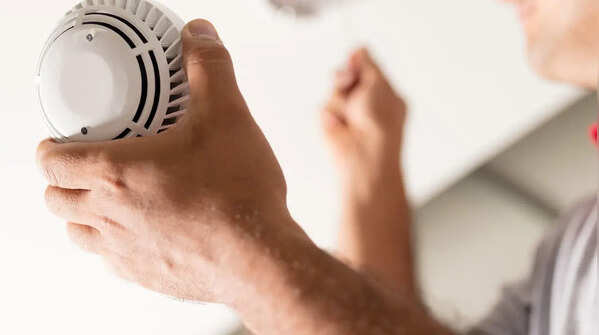
Important consideration
Now that we’re aware of the common reasons behind the “false” alarms, it’s important to keep in mind some pointers, too. First of all, it now goes without saying that if you spend a night or two chasing down relentless beeping, you’re not alone. Check any online forum, and you’ll come across people swapping horror stories about losing sleep, swapping endless batteries, and finally realizing it was an old detector or something else entirely that was setting them off.
However, don’t just unplug the alarm or take out the battery to get some peace and quiet. Fire safety experts say you should always take the warning seriously, even if it feels like a nuisance. Working smoke detectors drastically cut your risk during a house fire. Test your alarms every month, swap out the batteries regularly, vacuum them to clear dust, and definitely replace them every decade.
Featured In lifestyle

