
Mother’s Day special: The everyday superfoods that help moms stay energised, strong, and healthy through life’s endless demands

Superfoods every Mom should include in her daily routine
A mother’s day rarely slows down. Between work calls, school schedules, household chores, emotional caregiving, and the endless mental checklist that comes with running a family, many women push their own health to the side. Meals are skipped. Water intake drops. Sleep gets compromised. Over time, the body starts responding with fatigue, mood swings, poor immunity, low iron levels, and constant exhaustion that no amount of tea or coffee seems to fix.
This Mother’s Day, the conversation around mothers deserves to move beyond gifts and flowers. It is also a reminder that women need nourishment that supports their bodies through every stage of life. And that nourishment does not always come from expensive powders or trendy diets. Sometimes, it begins with the simple foods already sitting in Indian kitchens.
Celebrity dietician and nutrition consultant Dt Simrat Kathuria says, “Women experience fatigue and develop weakened immune systems and practice unhealthy eating habits because they need to balance their professional responsibilities with their household tasks, their stress relief practices, and their caretaking duties. Proper nutrition enables people to maintain their energy levels, regulate their hormonal systems, build their immune system, and reach optimal health.”
A balanced plate cannot remove stress completely, but it can help the body handle it better.

Nuts and seeds
There is a reason grandmothers insisted on soaked almonds in the morning. Nuts and seeds are among the easiest ways to add steady nutrition into a busy day without much preparation.
Almonds, walnuts, flaxseeds, chia seeds, and pumpkin seeds contain healthy fats, protein, magnesium, fibre, and antioxidants. These nutrients support heart health, brain function, hormonal balance, and long-lasting energy levels. For mothers constantly juggling responsibilities, this matters more than ever.
Dt Simrat Kathuria explains, “Almonds, walnuts, chia seeds, flaxseeds, and pumpkin seeds deliver essential nutrients through their combination of healthy fats and proteins, dietary fiber, and antioxidant elements. The body uses these nutrients to promote heart health and brain function and to maintain hormonal balance while they work to reduce inflammation.”
A small handful of mixed nuts between meals can often prevent the sudden energy crashes that lead to overeating later in the evening.
Research published by the US National Institutes of Health has also linked regular nut consumption with better heart health and reduced inflammation.
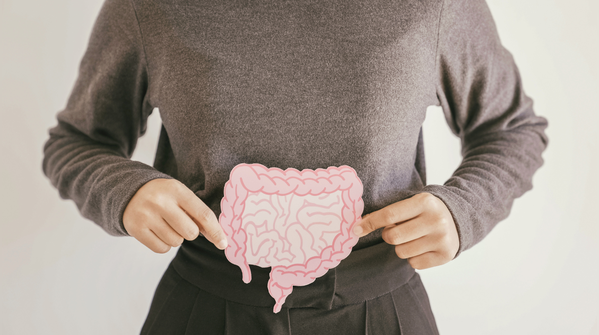
Why gut health deserves more attention in women
Many women normalize bloating, acidity, constipation, and digestive discomfort as part of daily life. But gut health influences far more than digestion. It affects immunity, mood, skin health, metabolism, and even sleep quality.
Stress and irregular eating habits can disturb the gut microbiome. That is where probiotic-rich foods become important.
“The consumption of probiotic-rich foods which include curd, yogurt and buttermilk enables people to support their digestion while maintaining healthy gut microbiome populations,” says Dt Simrat Kathuria.
A bowl of homemade curd with lunch or a glass of chaas during summer may sound simple, but these habits help maintain healthy bacteria inside the gut. Fermented foods also tend to be easier on the stomach than heavily processed snacks and packaged drinks.
According to the National Center for Complementary and Integrative Health, probiotics may support digestive and immune health when included regularly as part of a balanced diet.

Leafy greens are still among the most powerful foods
Modern nutrition trends often celebrate imported “superfoods,” but some of the strongest nutritional foods are traditional Indian greens that have existed for generations.
Spinach, methi, bathua, sarson, and kale provide iron, calcium, folate, fibre, and several antioxidants that support bone strength and immunity. These nutrients are especially important for women dealing with iron deficiency, weakness, or hormonal fluctuations.
Dt Simrat Kathuria says, “Women who suffer from fatigue, low iron levels, and bone health problems need the nutrients that leafy greens provide.”
Adding greens into dals, soups, parathas, smoothies, or sabzis is one of the easiest ways to increase nutrient intake without changing an entire diet routine.
The Indian Council of Medical Research (ICMR) has consistently highlighted green leafy vegetables as an important part of daily nutrition because of their role in preventing micronutrient deficiencies.

Seasonal fruits can nourish more than just immunity
Many mothers are used to buying fruits for children first and eating whatever remains later. But seasonal fruits are not a luxury item. They are everyday nutrition.
Papaya, oranges, berries, pomegranate, guava, watermelon, mangoes, and amla contain vitamins, antioxidants, hydration, and natural sugars that help the body recover from daily stress. Unlike ultra-processed snacks, fruits provide fibre along with sweetness, which helps maintain satiety and digestion.
“Fresh seasonal fruits improve immunity defense mechanisms while they promote skin health, and they fight against oxidative damage which results from daily activities,” explains Dt Simrat Kathuria.
There is also an emotional comfort attached to seasonal eating. The smell of oranges in winter or mangoes in summer often carries memories of home, care, and family traditions. Nutrition becomes easier to sustain when food also feels familiar and enjoyable.
The World Health Organization recommends regular fruit and vegetable intake as part of a healthy lifestyle to reduce the risk of several chronic diseases.

Millets, whole grains, and hydration
In recent years, millets have returned to Indian kitchens, and for good reason. Unlike refined carbohydrates that digest quickly and leave people hungry soon after, whole grains release energy slowly.
Ragi, bajra, jowar, oats, and brown rice provide fibre, minerals, and sustained energy. These foods can help mothers avoid the cycle of exhaustion and frequent snacking that often comes with rushed schedules.
Dt Simrat Kathuria notes, “People who eat millets and whole grains instead of refined carbohydrates experience improved digestion and consistent energy levels throughout the day.”
Hydration matters just as much.
“The combination of coconut water, herbal teas, and proper water consumption helps users achieve better digestion results while sustaining their energy and maintaining their skin health,” she adds.
Many women continue functioning even while dehydrated because they become used to ignoring thirst. But even mild dehydration can affect concentration, mood, digestion, and energy levels.
Perhaps this Mother’s Day is also about reminding them that their own plate matters too.

A healthy mother builds a healthier family
Mothers are often described as the emotional centre of a family. But emotional strength also depends on physical well-being. Constantly running on low nutrition eventually catches up with the body.
Dt Simrat Kathuria says, “The practice of small dietary modifications through consistent training creates significant results that become observable after some time. Mothers achieve better self-care and family care through proper nutrition practices.”
The truth is simple. Health does not always require dramatic changes. Sometimes it begins with soaked nuts beside morning tea, homemade curd at lunch, an extra serving of greens at dinner, or remembering to drink enough water through the day.
Small habits, repeated consistently, become a form of self-respect.

Disclaimer
This article is for general awareness and informational purposes only. Dietary needs can differ based on age, medical history, pregnancy, medications, allergies, and lifestyle factors. Readers should consult a qualified doctor or registered dietician before making major dietary changes or beginning any specific nutrition plan.
Featured In etimes

