
- News
- Health News
- Hantavirus symptoms may look mild at first, but doctors say kidneys and organs can fail quickly
Hantavirus symptoms may look mild at first, but doctors say kidneys and organs can fail quickly
Hantavirus and organ damage
A fever that feels ordinary. Body pain that seems like seasonal flu. A little nausea, weakness, and tiredness. Most people would not think twice about it. But in rare cases, these early signs may point to something far more dangerous: hantavirus infection.
Hantavirus is a rare but potentially severe viral disease linked to rodents. While it does not spread easily between humans in most cases, it can seriously affect the body once infection takes hold. Doctors say one of the biggest concerns is that people often mistake the symptoms for a routine viral illness and delay medical care.
What makes hantavirus especially alarming is the way it can attack multiple organs silently, particularly the kidneys and lungs. In severe infections, the body can suddenly struggle to maintain normal fluid balance, breathing, and blood circulation. That is where complications begin.
According to the US Centers for Disease Control and Prevention (CDC), hantaviruses are primarily spread through contact with infected rodent urine, droppings, or saliva. People may become infected after breathing in contaminated air in closed or dusty places such as storerooms, garages, sheds, or abandoned spaces.

Why the kidneys are often among the first organs to suffer
The kidneys work like the body’s natural filtration system. They remove waste, balance fluids, and help regulate minerals in the blood. But hantavirus can disturb this delicate system rapidly.
Dr Kunal Raj Gandhi, Director - Nephrology, ShardaCare-Healthcity, explains, “One of the major concerns with hantavirus has to do with kidney disease; in severe infections, the virus can damage kidney function, causing diminished urine output, swelling, electrolyte imbalance, and temporary kidney failure (dialysis). Early treatment is very critical because the virus can also affect the lungs and lead to difficulty breathing.”
What happens inside the body is both complicated and frightening. The virus can trigger inflammation in tiny blood vessels. Once those vessels become leaky, fluid begins escaping into tissues instead of staying where it belongs. The kidneys then struggle to filter blood properly.
This may lead to:
Reduced urine output
Sudden swelling in the legs or face
Dangerous electrolyte imbalance
Build-up of toxins in the blood
Temporary kidney failure in severe cases
In some patients, dialysis may become necessary until kidney function recovers.
A government-backed review published by the US National Institutes of Health (NIH) has also discussed how hantavirus infections can trigger acute kidney injury by damaging vascular function and disturbing the immune response.
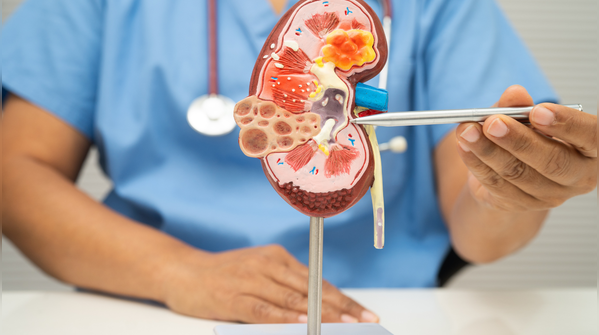
The lungs can collapse under pressure
Kidney complications are serious, but the lungs are often where hantavirus becomes life-threatening.
Doctors warn that some patients develop a condition known as Hantavirus Pulmonary Syndrome (HPS), where fluid leaks into the lungs and makes breathing extremely difficult. A person may initially feel as though they simply have fever and fatigue, but within days they can suddenly experience chest tightness and severe shortness of breath.
The CDC notes that hantavirus pulmonary syndrome can progress rapidly and may require intensive care support, including oxygen therapy or ventilators in severe situations.
This rapid shift is what makes early diagnosis so important. The body can appear stable one moment and deteriorate the next.
Dr Gandhi says, “The initial symptoms should never be ignored.”

That warning matters because the earliest symptoms often resemble flu or viral fever:
Fever
Muscle pain
Headache
Weakness
Nausea
Stomach discomfort
The danger lies in assuming it is “just another infection” and waiting too long before seeking help.

Hantavirus does not stop at one organ
One of the lesser-known realities about hantavirus is that it does not always remain limited to the kidneys or lungs. Severe infection can place stress on multiple organs at once.
When blood vessels become inflamed and fluid circulation becomes unstable, the heart may struggle to pump efficiently. Blood pressure can fall dangerously low. The liver may also show signs of stress due to widespread inflammation inside the body.
Researchers have observed that hantavirus infections can sometimes trigger what doctors call a “systemic inflammatory response,” where the immune system itself begins contributing to organ damage.
This is why doctors monitor patients closely once infection is suspected. It is not only about treating fever. It is about watching how the entire body responds hour by hour.

Why early treatment makes a huge difference
Unlike bacterial infections, hantavirus does not currently have a specific antiviral cure approved for routine treatment. Care is mostly supportive, but supportive care can save lives when started early.
Dr Gandhi explains, “Treatment of hantavirus is supportive; there is no specific treatment. Drinking water, oxygen support, and regular monitoring of kidney function can help prevent severe complications.”
In practical terms, that means:
Maintaining hydration carefully
Monitoring kidney function tests
Supporting breathing if oxygen levels fall
Managing blood pressure and fluid balance
Watching for signs of organ failure
The earlier this monitoring begins, the better the chances of preventing severe complications.
There is also an emotional side to these illnesses that often goes unnoticed. Patients and families frequently underestimate symptoms in the beginning because they seem ordinary. That delay can become dangerous.
Public health experts continue to stress awareness because rare diseases are often missed precisely due to their rarity.
Prevention begins with simple habits at home
Hantavirus may sound frightening, but prevention is often rooted in simple everyday precautions.
Rodents remain the primary source of infection. Cleaning dusty, closed, or poorly ventilated areas without protection can increase risk because virus particles may become airborne.
Dr Gandhi advises, “To minimize the risk of hantavirus infection, keep areas clean, avoid contact with rodents, and take precautions when cleaning closed or dusty areas.”
Health agencies recommend:
Ventilating closed spaces before cleaning
Wearing gloves and masks while handling rodent waste
Avoiding sweeping dry droppings directly
Using disinfectant sprays instead
Sealing food containers properly
Closing entry points where rodents can enter homes
The World Health Organization (WHO) has also highlighted the importance of rodent control and environmental hygiene in reducing exposure risk.
In many ways, hantavirus reminds people how quickly a seemingly invisible exposure can become a medical emergency. The symptoms may begin quietly, but the effects on the body can be profound when ignored.

Medical experts consulted
This article includes expert inputs shared with TOI Health by:
Dr Kunal Raj Gandhi, Director - Nephrology, ShardaCare-Healthcity.
Inputs were used to explain how hantavirus can silently affect the kidneys and other vital organs, why early symptoms should never be ignored, and how timely treatment can help prevent severe complications.
Featured In Health

