
Ripe vs Raw Papaya: Which has more nutrition and 5 ways to consume them during summer
Right way to eat raw and ripe papaya
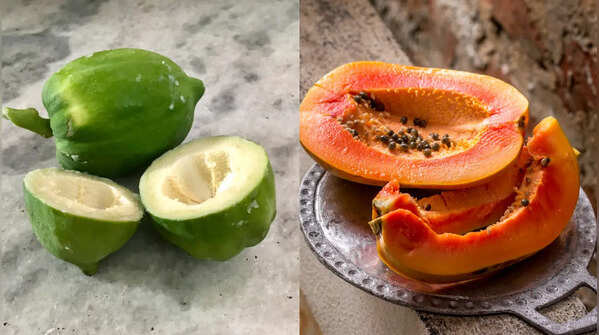
Papaya is a humble tropical fruit with magical benefits. It is known for its digestive, immune-boosting, and skin-enhancing properties. From Ayurveda to nutritionists, all swear by the benefits this fruit which contains papain, an enzyme that aids digestion and prevents bloating. Packed with vitamin C, vitamin A, and antioxidants, papaya also strengthens the immune system, improves vision, and promotes glowing skin. This popular fruit is also an interesting vegetable, when unripe. Popularly known as raw or green papaya, it is low in calories yet high in antioxidants, making it a great addition to a healthy diet. Now the question arises, which one is better-ripe or raw papaya? Let us find out. Also, scroll down to read 5 ways to consume each variation during summer months.
Nutritional value of ripe papaya
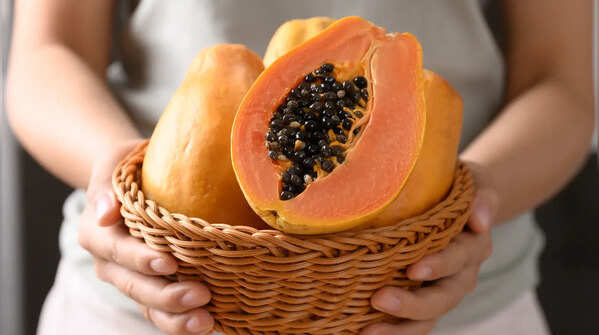
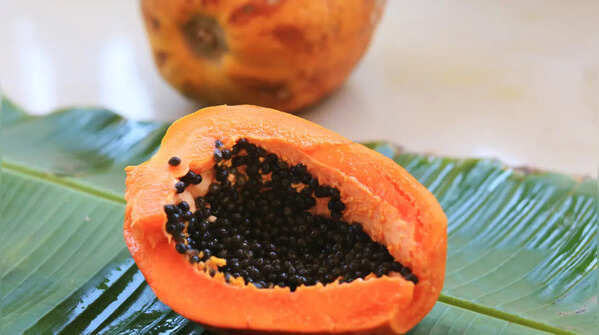
As per the United States Department of Agriculture (USDA) database, per 100 g of papaya offers 40-60 calories, 88 g water, 10.82 g carbs, 1.70 g dietary fiber, 0.47 g protein, and 0.26 g total fat.
Benefits of ripe papaya
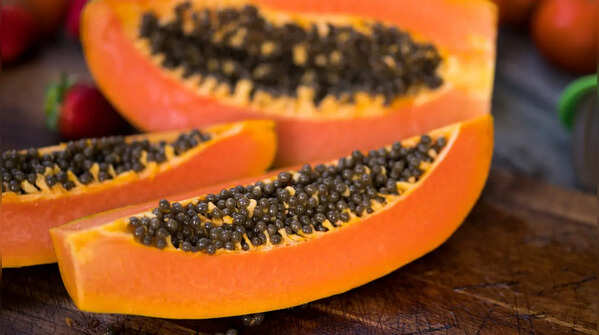
As per a study by the National Library of Medicine, the papaya pulp contains vitamins A, C, and E; B complex vitamins, such as pantothenic acid and folate; and minerals, such as magnesium and potassium, as well as food fibers. And phenolic compounds, such as benzyl isothiocyanate, glucosinolates, tocopherols (α and δ), β-cryptoxanthin, β-carotene, and carotenoids, are found in papaya seeds. The study also states that the pulp and the other parts of papaya including leaves and seeds are rich in antioxidant, anti-hypertensive, hypoglycemic, and hypolipidemic actions, which, in turn, can contribute to the prevention and treatment of obesity and associated metabolic disorders. The study further states that papaya contains considerable concentrations of vitamins, bioactive compounds, and a lipidic composition that reduces inflammatory markers and anti-platelet aggregation, protects against thrombogenesis and oxidative stress, and prevents hypercholesterolemia—factors that can be triggered by obesity.

5 ways to consume ripe papaya
Papaya Smoothie: For this, blend papaya with banana, milk and a dash of cinnamon. You can top it with roasted pumpkin seeds for added benefits.
Papaya Oats Porridge: This one is for all the oats lovers, who can't begin the day without a dose of oats. All you need to do is, stir fresh papaya cubes into oats soaked in curd or milk overnight. Also, add berries, and a drizzle of jaggery syrup for a comforting, nutrient-rich bowl.
Papaya Chia Pudding: To make this pudding, prepare chia pudding overnight, where you soak 2 tbsp chia seeds in milk or curd and then next morning, top it with fresh papaya puree or sliced papaya. It is light, filling, and great for gut health.
Papaya Fruit Salad: This is one of the easiest ways to enjoy papaya. All you need to do is, combine papaya cubes with slices of banana, apple, and pomegranate. Squeeze some lime and sprinkle a little black salt for a refreshing, tangy breakfast salad. You can top it with berries of your choice to boost the nutritional value of the dish.
Papaya Toast: This is a exotic dish, where you have to spread peanut butter on whole-grain toast and top with thinly sliced papaya. Sprinkle trail mix for crunch—simple, delicious, and loaded with nutrients. You can also add avocado on top.
Nutritional value of raw papaya
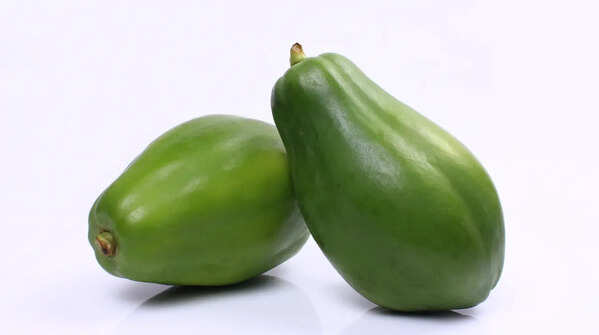
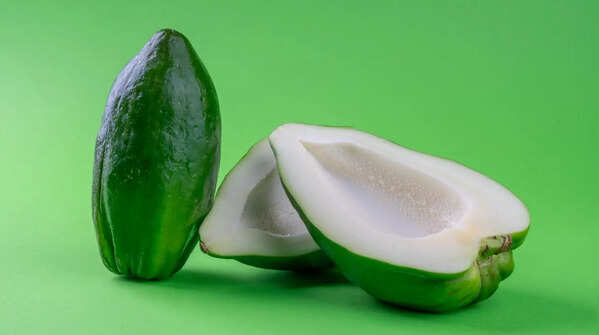
As per experts, per 100 gms of raw papaya contains 43 calories, 10.8 g carbs, 7.8 g sugars, 1.7 g dietary fiber, 0.5 g protein, 0.3 g fat, 60.8 mg vitamin C, 950 IU vitamin A, and 73 mcg folate, along with 182 mg potassium and 21 mg magnesium.
Benefits of raw papaya
It is high in digestive enzymes like papain, which help break down proteins and improve gut health. It is also rich in vitamin C, vitamin A, folate, and fiber. As per experts, it contains more phytonutrients and antioxidants and is low in calories, which makes it ideal for weight management, aids in digestion, supports immune function, helps reduce inflammation and is good for skin health. According to a study published by the National Library of Medicine, unripe papaya is rich in antioxidants such as quercetin, kaempferol, and caffeic acid, which help combat oxidative stress and inflammation. Another research study says that unripe papaya extracts can inhibit enzymes like α-amylase and α-glucosidase, which are involved in carbohydrate digestion. It also has a low GI and high fiber content which helps slow down sugar absorption, helping regulate blood glucose levels. It is also rich in phytochemicals that exhibit anti-inflammatory effects, potentially reducing inflammation in the body.
5 ways to consume raw papaya
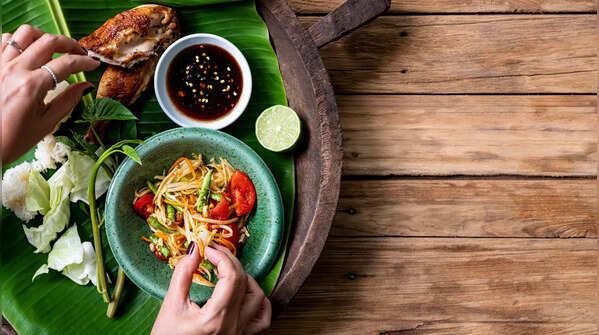
Raw Papaya Salad: Simply peel and grate the papaya and toss it with grated arrots, cucumber, lemon juice, peanuts, olive oil, paprika and refrigerate for a while. Serve chilled.
Raw Papaya Sabzi: It is best made in kadhai and all you need to do is, dice papaya and cook with mustard oil mild spices, onions, and tomatoes for a light, comforting vegetable that goes well with roti or even dal chawal.
Papaya Juice: This is good for gut health. All you need to do is, juice it and enjoy with a pinch of black salt and pepper.
Raw Papaya Paratha: Grate raw papaya and knead it in dough along with green chili, salt, pepper, and red chili powder. Roll out parathas and cook on a tawa using enough ghee or oil.
Papaya Halwa: This one is for those with a sweet tooth. Grate papaya and cook in ghee along with sugar, cardamom powder, and nuts of your choice.
Which has more nutrition
According to experts, they both are good, and it all depends on an individual's nutritional goals. If you are someone who needs more fibre, digestive support, and lower sugar intake, then choose raw papaya. And for those whose diet requires more antioxidants, vitamins, and a naturally sweet fruit snack, they can choose ripe papaya.
Featured In Food

MORE FROM ETIMES
life & style