
- News
- Health News
- You won’t feel kidney stress until it’s serious: Early warning signs most people ignore and how to catch it in time
You won’t feel kidney stress until it’s serious: Early warning signs most people ignore and how to catch it in time

Why kidney damage often slips under the radar
Kidneys rarely demand attention. They work quietly, filtering nearly 100 litres of blood every day, removing toxins, balancing fluids, and keeping blood pressure in check. And yet, when they begin to struggle, most people don’t feel anything unusual at first.
That is what makes kidney stress dangerous. It doesn’t arrive loudly. It builds, slowly and steadily, until one day the body starts showing signs that are hard to ignore. By then, the damage may already be significant.
A report by the Indian Council of Medical Research (ICMR) highlights that chronic kidney disease is rising steadily in India, largely driven by diabetes and hypertension.

Why kidney damage goes unnoticed for so long
The kidneys are built to cope. Even when part of their function declines, the remaining healthy tissue compensates. This means a person can lose a significant percentage of kidney function without any obvious symptoms.
Dr Shrikant Atluri explains it clearly, “Kidney disease rarely begins with a crisis. It develops quietly over time, without any obvious warning signs and that is precisely why kidney disease is labelled dangerous.
Compared with other organs, the kidneys have a remarkable ability to adapt and compensate, often hiding early dysfunction. As a result, by the time clear symptoms appear, significant underlying damage is often already present.”
This “silent adjustment” is helpful in the short term, but risky in the long run. It delays diagnosis.

The early signs most people brush off
The body does send signals, but they are subtle. Many people mistake them for stress, lack of sleep, or ageing.
Some early signs include:
A constant sense of fatigue, even after rest
Mild swelling in the feet, ankles, or around the eyes
Changes in urination, such as going more often at night
Foamy or slightly darker urine
Reduced appetite or a vague feeling of unease
Dr Atluri adds, “Most frequently, patients overlook early signals, persistent fatigue, mild swelling, or changes in urination pattern. These symptoms are frequently dismissed as minor or lifestyle-related.”
These are not dramatic symptoms, which is exactly why they are ignored.

Lifestyle habits quietly adding pressure
Modern life places a steady load on the kidneys.
High salt diets, processed foods, poor hydration, and long hours of sitting all play a role. Add to that rising cases of diabetes and high blood pressure, and the risk increases sharply.
According to the ICMR, diabetes and hypertension account for a large share of kidney disease cases in the country.
Dr Atluri points out, “In today’s day and age, with lifestyle changes, there are rising rates of diabetes and hypertension, leading to kidney stress, which is becoming increasingly common. Yet, our approach remains largely reactive rather than preventive.”

When symptoms finally become obvious
By the time kidney stress turns into clear disease, the signs become harder to ignore:
Noticeable swelling in the legs and face
Shortness of breath due to fluid buildup
Persistent nausea or vomiting
Difficulty concentrating
High blood pressure that becomes harder to control
At this stage, the body is no longer compensating. It is asking for urgent attention.

Can early damage be reversed?
The encouraging part is that early kidney stress can often be slowed, and sometimes improved, if caught in time.
Simple steps can make a real difference:
Keeping blood sugar and blood pressure under control
Reducing salt and ultra-processed foods
Staying well hydrated, but not overdoing fluids
Getting routine blood and urine tests, especially after age 30
Avoiding unnecessary painkillers and supplements
A useful government resource from the National Institute of Diabetes and Digestive and Kidney Diseases (NIDDK) explains early detection and prevention in detail.
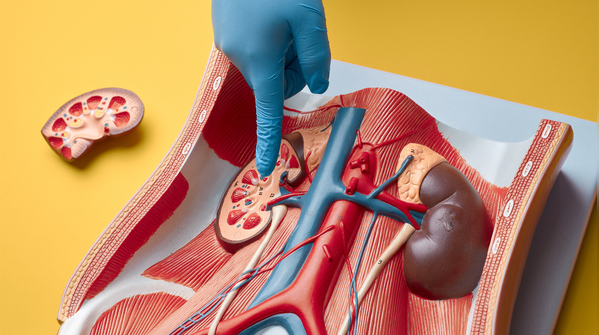
Why early screening is no longer optional
Kidney disease is no longer rare. It is quietly becoming a public health concern. Routine screening is simple. A blood test for creatinine and a urine test for protein can reveal early changes long before symptoms appear.
Dr Atluri puts it simply, “The need of the hour is a shift towards early detection and routine screening. Because timely recognition of kidney disease can be the difference between a manageable condition or developing future complications.”
That shift, from reacting to preventing, may save not just kidneys, but lives.

The lesson the body keeps repeating
There is a reason why health experts often stress listening to the body. Not every warning is loud. Some are gentle nudges that something needs attention.
Medical experts consulted
This article includes expert inputs shared with TOI Health by:
Dr Shrikant Atluri, Surgical Uro-Oncologist, SSO Cancer Hospital.
Inputs were used to explain how kidney stress often builds up unnoticed, the early warning signs most people overlook, and why timely medical attention is key to preventing serious damage.
Featured In Health

