
- News
- Health News
- Why your uric acid can suddenly spike even if your diet hasn’t changed: Doctor explains hidden causes and simple ways to control it
Why your uric acid can suddenly spike even if your diet hasn’t changed: Doctor explains hidden causes and simple ways to control it

When the numbers rise without warning
Many people associate high uric acid with heavy meals, red meat, or alcohol. So when a routine blood test suddenly shows elevated levels despite a steady diet, the result can feel confusing.
Uric acid is a waste product that forms when the body breaks down purines. These compounds exist in many foods, but they are also naturally present in human cells. Normally, the kidneys filter uric acid from the blood and remove it through urine. Trouble begins when this balance between production and removal shifts.
Doctors say diet is only one piece of the puzzle. Hydration, kidney health, medicines, genetics, and even stress can quietly influence uric acid levels.
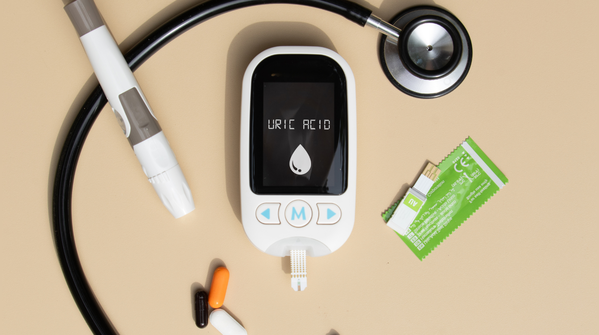
What do experts say?
Dr Topoti Mukherjee, Lead Consultant – Nephrology and Kidney Transplant at Aster Whitefield Hospital, explains this clearly, “A lot of people get really surprised when they find out their uric acid level goes up suddenly without them even changing their diet. Unhealthy eating is only one side of the story. Uric acid is made when our body breaks down purines, compounds that are naturally present in our cells, and most of it is removed from the blood by the kidneys. When there is a disturbance in this balance of production and removal, the levels can rise drastically, without anyone expecting it.”
Understanding the hidden reasons behind these spikes helps people manage the condition better.

The body makes uric acid on its ow
Food is not the only source of purines. The human body naturally breaks down its own cells every day. During this process, purines are released and converted into uric acid.
If the body produces more uric acid than usual, levels in the blood can rise even when meals remain unchanged.
Rapid cell turnover, infections, inflammation, or intense physical stress can increase this internal production. That is why sudden spikes may appear after illness, injury, or extreme exercise.
Research from the US National Institutes of Health (NIH) explains that uric acid levels depend on both dietary purines and the body’s own metabolism.
In simple terms, the body itself can become the main source of uric acid.
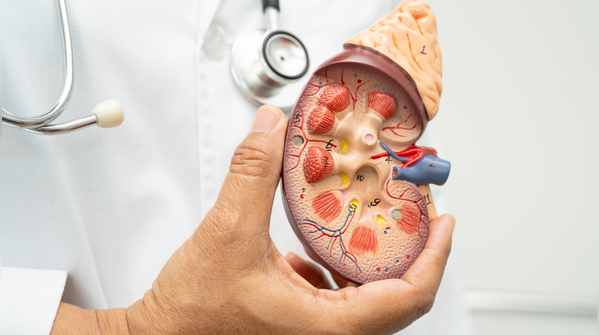
Dehydration quietly affects kidney function
One of the most common yet overlooked causes is dehydration.
When the body does not receive enough fluids, the kidneys struggle to filter waste efficiently. Uric acid then remains in the bloodstream instead of leaving through urine.
Dr. Mukherjee notes that this factor often goes unnoticed, “Dehydration is a very common and still largely ignored factor that can cause problems with uric acid levels. It is because when the body doesn't have enough fluids, the kidneys are not able to properly filter and get rid of uric acid, resulting in higher levels of it in the blood.”
This explains why people sometimes notice high uric acid during hot weather, after travel, or during periods of low water intake.
Even mild dehydration can temporarily shift the body’s chemical balance.

Certain medicines can raise uric acid levels
Some commonly used medications interfere with the kidney’s ability to remove uric acid.
These include:
Diuretics used for high blood pressure
Certain heart medications
Long-term use of some drugs for chronic illnesses
These medicines may reduce uric acid excretion. Over time, this leads to accumulation in the bloodstream.
According to the NIH, medications are a recognised risk factor for elevated uric acid and gout.
Patients often do not connect their medicines with sudden lab changes. That is why doctors review prescriptions carefully when uric acid levels rise unexpectedly.
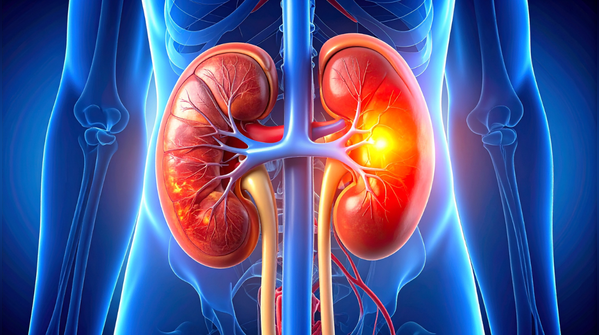
Kidney health plays a major role
The kidneys act as the body’s filtration system. They remove about two-thirds of uric acid produced every day.
If kidney function slows down even slightly, uric acid can build up in the blood.
Dr Mukherjee highlights this link, “The use of some medications such as diuretics, some drugs for high blood pressure, or the long-term use of certain drugs can also lead to a decrease in the excretion of uric acid. Also, conditions such as having a decreased function of the kidneys, metabolic syndrome or even a genetic predisposition can cause sudden increases even in those who are eating a reasonably healthy diet.”
This means a normal diet cannot always prevent high uric acid if kidney function changes.
Kidney health checks often become an important part of diagnosis.

Metabolic stress can trigger temporary spikes
Sudden lifestyle stress can also influence uric acid levels.
The body enters metabolic stress during situations such as:
Extreme exercise
Severe illness or infection
Rapid weight loss
Fasting or skipping meals
High emotional stress
These situations increase the breakdown of body tissues and energy stores. As a result, purines break down faster, leading to more uric acid production.
This explains why athletes, people on crash diets, or those recovering from illness sometimes notice temporary spikes.

Genetics and metabolic conditions matter too
Some people inherit genes that influence uric acid metabolism. Their bodies may produce more uric acid or remove it less efficiently.
In addition, metabolic conditions can change how the body processes waste products.
These include:
Metabolic syndrome
Obesity
Insulin resistance
High blood pressure
This means two people with identical diets may still have very different uric acid readings.

Practical steps to keep uric acid in balance
Managing uric acid requires a broader view than simply avoiding certain foods.
Dr Mukherjee explains, “Another significant aspect is metabolic stress. When people exercise to the point of exhaustion, go hungry, lose a lot of weight quickly, get sick, or are under a lot of stress, these can cause the body to produce more uric acid or can make it so that it is not removed from the body as well for a short while. So, when patients tell us that their uric acid level has gone up dramatically, besides checking their diet, we also consider other factors.”

Doctors usually recommend several simple measures:
Drink enough water throughout the day.
Avoid extreme dieting or fasting.
Exercise moderately rather than excessively.
Monitor blood pressure and metabolic health.
Review medications with a doctor if uric acid rises suddenly.
Regular blood tests also help track changes early.
In the case of uric acid, understanding the whole body often matters more than focusing on food alone.
Medical experts consulted
This article includes expert inputs shared with TOI Health by:
Dr Topoti Mukherjee, Lead Consultant – Nephrology and Kidney Transplant at Aster Whitefield Hospital.
Inputs were used to explain why uric acid levels can sometimes rise suddenly even when a person’s diet remains unchanged, highlighting the lesser-known triggers behind these spikes and the simple lifestyle measures that can help keep levels under control.
Featured In Health

