
- News
- Health News
- Walking speed could signal hidden heart health risks: Doctors explain how monitoring your pace can help detect problems early and improve cardiovascular fitness
Walking speed could signal hidden heart health risks: Doctors explain how monitoring your pace can help detect problems early and improve cardiovascular fitness
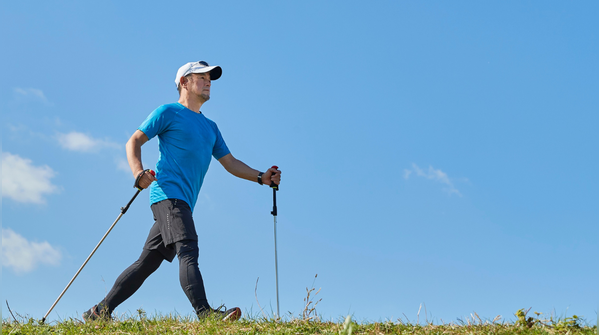
Your walking speed may reveal more about your health than you think
Most people think of heart health in terms of blood pressure or cholesterol numbers. But doctors are now paying attention to something far simpler: how fast someone walks. It may sound basic, but walking speed can reflect how well the heart, lungs, muscles, and even the brain are working together.
In busy cities, where walking is part of daily life, this small habit can turn into a powerful health signal. A slower pace, especially when it changes over time, may not just be about tired legs. It can be the body’s early way of asking for attention.

Why walking speed is now called a ‘vital sign’
Doctors are increasingly treating walking speed like pulse rate or blood pressure. It offers a quick snapshot of overall health without needing machines or tests.
Dr Sunil Rana explains, “Walking speed is now considered a vital sign in many clinical settings because it reflects overall health status. A consistently slow walking pace can indicate reduced cardiovascular fitness, muscle weakness, or early signs of conditions like Frailty syndrome.”
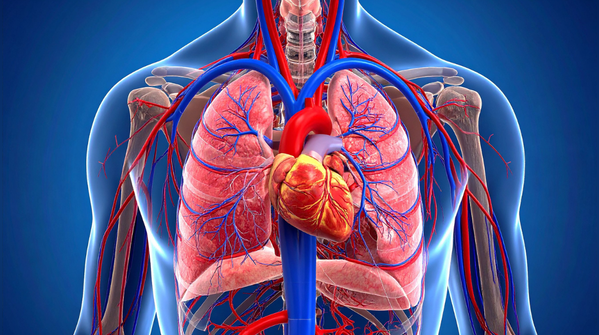
This matters because the heart does not work alone. Every step depends on how well oxygen is delivered, how efficiently muscles respond, and how smoothly the nervous system coordinates movement. When one part struggles, the walking pace often changes first.
Preventive health screening: Doctor says this is the smartest investment you can make in your 30s
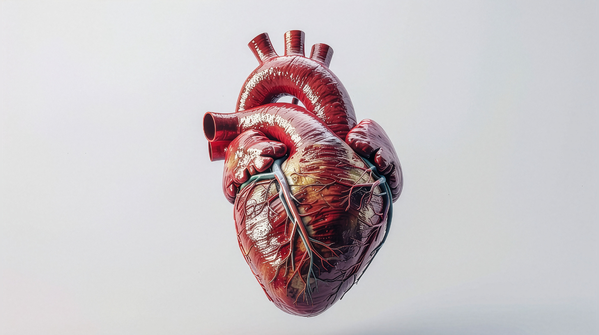
What a slower pace may reveal
A noticeable drop in walking speed can hint at deeper issues. It may suggest that the heart is not pumping efficiently or that the body is using more effort than before for the same activity.
Dr Rana adds, “It gives us insight into how well different body systems—heart, lungs, muscles, and brain—are functioning together. If someone notices that their usual walking speed has declined without a clear reason, it could be an early warning sign that deserves attention.”
Research supports this. A large study by the Science Direct found that slower gait speed in older adults was linked with higher risk of heart-related conditions and lower survival rates.

It’s not just the heart: muscles and joints matter too
Walking speed also reflects how well the body moves structurally. Pain, stiffness, or weak muscles can all slow someone down, often without them realising the connection.
Dr Aashish Chaudhry explains, “Walking speed is a simple yet powerful indicator of musculoskeletal and neurological health. A steady, brisk pace generally suggests good muscle strength, joint function, and coordination, while a slower or unstable gait may point to underlying issues such as pain, stiffness, or conditions like Osteoarthritis.”
In simple terms, if the body feels unstable or uncomfortable, it naturally slows down to protect itself.

What studies say about walking speed and heart health
There is growing evidence linking walking pace with cardiovascular fitness. A research from The International Journal of Environmental Research and Public Health showed that people who reported a brisk walking pace had a significantly lower risk of heart disease compared to slow walkers.
These findings show a clear pattern: walking speed is not just about fitness level, it also reflects long-term heart health.
A simple way to test your walking speed at home
The good news is that anyone can check this at home without special tools.
Here is a practical way to do it:
Measure a distance of 4 to 6 metres on a flat surface
Walk at a normal, comfortable pace
Time how long it takes to cover the distance
A generally healthy walking speed is about 1 to 1.4 metres per second. If it feels slower than usual or has reduced over months, it may be worth paying attention.
Another simple check: Can a conversation be maintained while walking at a steady pace? If not, the heart and lungs may be under strain.

How to improve walking speed safely
Improving pace is not about rushing. It is about building strength and endurance gradually.
Dr Chaudhry notes, “Improving walking speed doesn’t mean rushing, but focusing on better posture, regular movement, and strengthening exercises. Small lifestyle changes can significantly enhance mobility, independence, and long-term quality of life.”

A few practical ways to improve include:
Walking regularly at a slightly brisker pace
Adding light strength training twice a week
Working on posture and core stability
Staying consistent rather than pushing too hard
Over time, even small improvements can reflect better cardiovascular efficiency.
When should a slower pace raise concern?
A slower walking speed is not always a problem. It can vary with age, fatigue, or temporary illness. But certain patterns should not be ignored.
If the pace drops suddenly, feels unusually tiring, or is paired with symptoms like breathlessness, chest discomfort, or frequent imbalance, it is important to seek medical advice.
As Dr Rana points out, “Regular physical activity, strength training, and maintaining a healthy lifestyle can help improve walking speed and, in turn, overall health outcomes.”
Medical experts consulted
This article includes expert inputs shared with TOI Health by:
Dr Sunil Rana, Associate Director & Head- Internal Medicine (Unit III), Asian Hospital.
Dr Aashish Chaudhry, Director & Head, Orthopaedics & Joint Replacement, Aakash Healthcare.
Inputs were used to explain how changes in walking speed can reveal hidden heart health risks, and why monitoring your pace regularly can help detect problems early and support cardiovascular fitness.
Featured In Health

