
- News
- Health News
- Summer period rashes are more common than you think: Doctor shares the hidden causes and simple fixes every woman should know
Summer period rashes are more common than you think: Doctor shares the hidden causes and simple fixes every woman should know
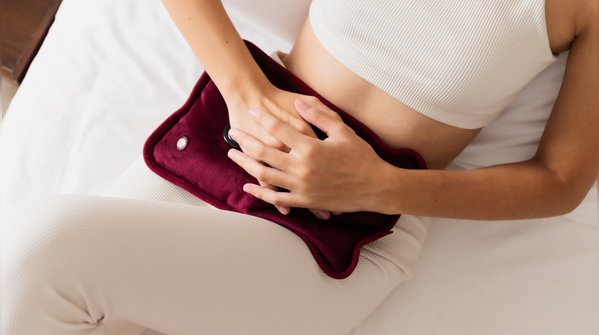
Summer period rashes: Causes, prevention, and hygiene tips every woman should know
There is something about summer that makes even small body discomforts feel bigger. Sweat sticks to the skin, clothes feel heavier, and long humid days can turn ordinary routines into irritating experiences. For many women, periods during summer come with an added problem that is rarely spoken about openly: painful or itchy rashes around the vaginal area.
Some describe it as a burning feeling. Others notice redness, tiny bumps, peeling skin, or irritation that becomes worse while walking or sitting for long hours. What many dismiss as “normal period discomfort” may actually be the skin reacting to heat, moisture, friction, and poor airflow.
Doctors say summer period rashes are extremely common, especially in humid climates. Yet many women continue to suffer silently, often using harsh products or home remedies that worsen the irritation instead of helping it heal.
According to the US government-backed health resource from the National Library of Medicine, warm and moist environments encourage fungal growth and skin irritation in body folds, including the groin region. Studies have also shown that prolonged exposure to damp sanitary products can increase irritation and discomfort in sensitive skin.

Why summer makes period rashes worse
Hot weather changes the environment around the skin. During menstruation, the vulva becomes more sensitive because of hormonal changes. Add sweat, trapped moisture, and constant pad friction, and the skin can quickly become inflamed.
Dr Priya Darshni, Obstetrician & Gynaecologist at Plush, explains, “As a gynecologist, I often see an increase in complaints of rashes, itching, and discomfort in the vaginal area, especially during periods in this hot and humid weather. So why do these period rashes happen more in summer? Basically, during menstruation, the genital area, your vulva, is very sensitive due to the surge of hormones. Now, add heat, sweat, and prolonged pad usage to it, and it creates the perfect environment for irritation.”
The problem is not just sweat alone. Skin in the groin area experiences repeated rubbing while walking, exercising, or sitting for long hours. When the area stays damp, the outer skin barrier weakens. This can lead to redness, chafing, and sometimes fungal infections.
Women who travel daily, spend hours outdoors, work in non-air-conditioned spaces, or wear tight clothing often notice the irritation becoming worse by evening.

The hidden triggers many women overlook
Not every rash starts because of poor hygiene. Sometimes, the products used during periods may quietly contribute to the problem.
Dr Priya Darshni says, “Common causes include excess moisture and sweat, which can lead to skin peeling. Using sanitary pads for prolonged periods can cause friction and dampness, which may also lead to vaginal yeast infections.”
Many women continue wearing one pad longer than recommended, especially during office hours, travel, or overnight sleep. Even if the pad does not feel completely soaked, trapped moisture can irritate sensitive skin.
Another common trigger is tight clothing. Skinny jeans, synthetic underwear, gym leggings, shapewear, and tummy tuckers reduce airflow around the skin.
The doctor adds, “Poor ventilation due to tight clothing like wearing tight jeans all the time, synthetic underwear, or tummy tuckers can worsen the issue. Cotton is always the best choice, and wearing loose pants is better than tight jeans or leggings all day.”
Then comes the issue of scented hygiene products. Fragranced pads may smell pleasant, but they can disturb the natural balance of bacteria around the vulva. Some cheaper materials may also contain irritants that react badly with sweat and friction.

Signs your body may be asking for help
Many women ignore the early symptoms because they assume discomfort during periods is unavoidable. But the body usually sends warning signs before a rash becomes severe.
Dr Priya Darshni points out these symptoms, “Burning sensation – Often the first sign of irritation or imbalance. Itching or irritation – Persistent discomfort shouldn’t be ignored. Small bumps – Tiny, dot-like bumps can appear, sometimes even without shaving the area. Foul smell – An unusual or strong odor may indicate an underlying issue.”
If the skin feels raw, painful, unusually itchy, or develops a strong smell, it may indicate a fungal or bacterial infection rather than ordinary irritation.
A rash that spreads, causes swelling, or does not improve within a few days deserves medical attention. Experts also warn against self-medicating with random creams because steroid-based creams can sometimes worsen fungal infections.

Small hygiene habits that make a big difference
Summer period care is less about expensive products and more about consistency.
Dr Priya Darshni says, “Prevention is simple but important, though often overlooked. The first step is to change underwear frequently, whether or not you are on your period. If your underwear becomes slightly wet, it’s better to change it. Carrying a spare can help. Pads should be changed every 4 to 6 hours, whether fully soaked or not.”
One overlooked habit is drying the skin properly after washing. Many people rinse with water but quickly wear clothing again without gently drying the area. Moisture trapped in skin folds becomes a breeding ground for irritation.
The doctor further explains, “Keep the area dry and wash with plain water during every change or after peeing, and gently pat dry using a tissue or towel. Avoid rubbing the area.”
Experts also suggest sleeping in loose cotton shorts or pajamas during periods instead of tight synthetic wear. Allowing airflow at night gives the skin time to recover.
Another useful step is choosing breathable sanitary products. Cotton-based, unscented pads are often gentler on sensitive skin. Some women may also feel more comfortable using menstrual cups or tampons after consulting a doctor and understanding proper hygiene practices.
According to the Centers for Disease Control and Prevention (CDC), maintaining dryness in body folds and reducing prolonged moisture exposure can help lower the risk of fungal skin infections.

Treating the skin gently instead of aggressively
When irritation begins, many women scrub the area harder, shave more often, or apply strong soaps thinking cleanliness will solve the issue. In reality, the skin around the vulva behaves differently from the rest of the body. It is thinner, softer, and far more sensitive.
Dr Priya Darshni advises, “If you already have a rash, do visit your gynecologist. Before that, start following these basic steps like changing underwear and pads frequently. You can use candid powder externally (not inside the vagina), near the inner thigh area, to prevent chafing. Also, avoid shaving for a few days until the infection settles.”
She adds an important reminder many women rarely hear, “Always treat the skin on your vulva like baby skin especially during summer. It needs gentle care, dryness, and breathability.”
That one line may explain the issue better than complicated medical terms. Sensitive skin rarely responds well to harsh treatment. Sometimes the simplest habits, dry cotton underwear, frequent pad changes, plain water cleansing, and breathable clothes, work better than heavily marketed “intimate care” products.

Medical experts consulted
This article includes expert inputs shared with TOI Health by:
Dr Priya Darshni, Obstetrician and Gynaecologist at Plush.
Inputs were used to explain why summer period rashes become more common in hot and humid weather, what causes irritation and discomfort during menstruation, and which hygiene practices and expert-backed prevention tips can help women protect sensitive intimate skin.
Featured In Health

