
- News
- Health News
- National Dengue Day 2026: Doctors warn Dengue is now a year-round threat, and families are still missing early signs
National Dengue Day 2026: Doctors warn Dengue is now a year-round threat, and families are still missing early signs
India against Dengue
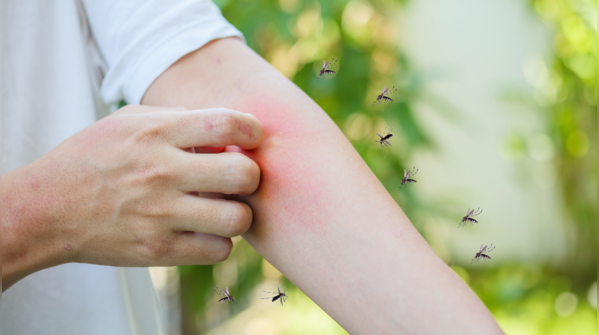
Dengue is no longer a disease that appears only during heavy rains or floods. It has quietly become a year-round public health concern in many parts of India. Rising temperatures, unplanned urban growth, water storage habits, and changing climate patterns are helping mosquitoes survive longer and spread faster. Every summer and monsoon, hospitals begin seeing a rise in fever cases that often start like a simple viral infection but can suddenly turn dangerous.
National Dengue Day, observed every year on May 16, was introduced to remind people that prevention cannot begin after the outbreak starts. The day was first officially observed across India in 2016 to strengthen awareness, early detection and community participation against dengue.
According to India’s National Vector Borne Disease Control Programme, dengue has steadily spread beyond urban centres into semi-urban and rural regions as well.
Why National Dengue Day matters more than ever
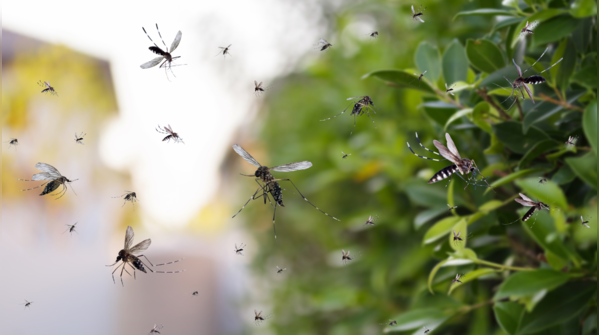
Most people associate dengue with the monsoon season. But doctors now warn that the disease is behaving differently.
Dr Shashank Joshi, Consultant Endocrinologist, Lilavati Hospital and President, Indian Academy of Diabetes, said, “Higher temperatures create a favourable environment for the spread of vector borne diseases like dengue. This has led to dengue no longer being limited to monsoon or seasonal periods but becoming a year-round phenomenon.”
The purpose of National Dengue Day is not just awareness campaigns and posters. It is meant to push communities into action before infections rise sharply. Government programmes across India focus on cleaning stagnant water, spreading information in schools, strengthening surveillance systems and encouraging early diagnosis.
The message behind the campaign is simple: dengue spreads silently, but prevention begins at home.
What exactly is Dengue and why is it so dangerous?
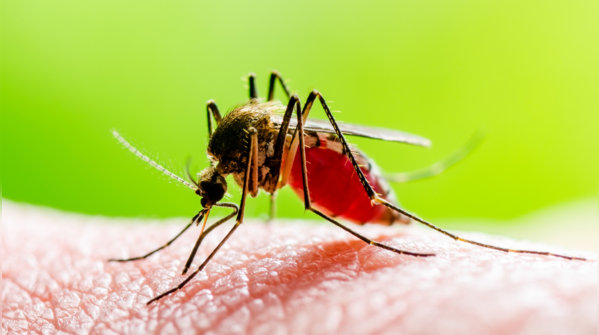
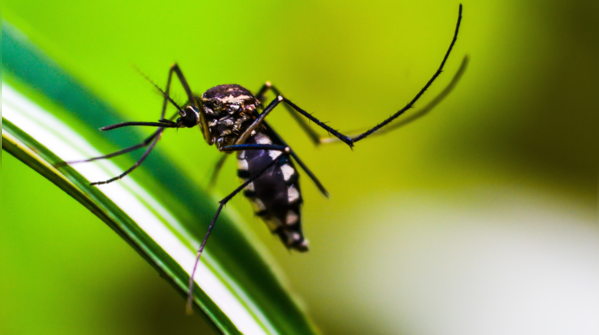
Dengue is a viral infection spread mainly by the bite of infected Aedes aegypti mosquitoes. These mosquitoes usually bite during the daytime and breed in clean stagnant water found in coolers, flower pots, buckets, tanks, discarded tyres and even bottle caps.
What makes dengue tricky is that its symptoms often resemble common viral fever in the beginning.
Dr Nitin K. Shah, Section Head and Consultant Paediatrician, P.D. Hinduja Hospital & Medical Research Centre, Mumbai, explained, “Dengue is a deceptive disease, as its symptoms can often resemble other common illnesses, which can delay timely diagnosis and increase the risk of severe outcomes.”
He further added, “Dengue can typically start with sudden fever along with headache, muscle and joint pain, cough, rash or pain behind the eyes which worsens with eye movement.”
Many parents mistake early dengue symptoms in children for exhaustion, heatstroke or seasonal flu. But delayed diagnosis can become dangerous, especially in repeat infections.
“Missing the symptoms early can be risky, especially if a child is getting dengue for the second time. Dengue is caused by four different serotypes all circulating simultaneously in India. Infection from one doesn’t provide protection against the others. In fact, a second infection can increase the risk of severe dengue,” Dr. Shah warned.
Severe Dengue can turn critical within hours
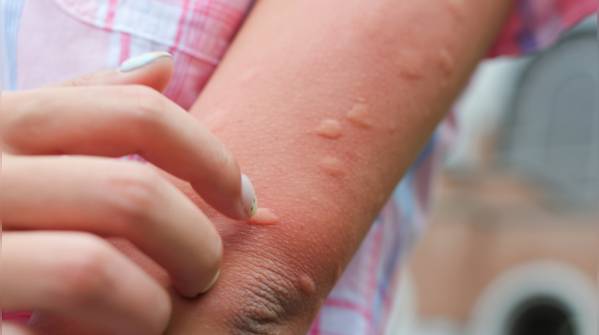
Doctors say the most dangerous part about dengue is how rapidly patients can deteriorate.
Dr Joshi explained, “While many cases may begin with mild symptoms, dengue can worsen within a few hours without timely medical care and may even require hospitalization.”
Severe dengue symptoms may include:
Severe abdominal pain
Persistent vomiting
Rapid breathing
Bleeding gums or nose
Extreme weakness
Blood in vomit or stool
Pale skin and restlessness
In some cases, dengue may progress to Dengue Shock Syndrome, where blood pressure drops dangerously due to plasma leakage.
Patients with diabetes, obesity, hypertension, kidney disease and cardiovascular illnesses are considered more vulnerable to severe complications.
Dr Joshi noted, “Dengue can also worsen these existing health conditions and complicate recovery, leading to higher rates of ICU admission.”
Even after recovery, many patients continue struggling with exhaustion for weeks. Doctors describe this as post-dengue fatigue syndrome, which can interfere with daily life and work.

The real fight against Dengue starts inside homes
Fogging alone cannot stop dengue. Health experts repeatedly stress that mosquitoes breeding inside homes and neighbourhoods remain the biggest challenge.
Government dengue prevention campaigns often use the “Check, Clear and Cover” approach.
That means:
Check surroundings for stagnant water
Clear unused containers regularly
Cover water storage tanks tightly
Simple weekly habits can make a huge difference:
Empty and scrub coolers every week
Change flower vase water frequently
Dispose of old tyres and containers
Use mosquito repellents and nets
Wear full-sleeved clothing outdoors
Dr Shah highlighted an important concern for families during vacations. “With ongoing summer vacations, children are spending more time outside their homes and in unfamiliar environments such as parks, playgrounds and open areas, where the mosquito situation is unknown. This can increase their exposure to mosquito bites and, in turn, the risk of a dengue infection.”
The warning is especially important because dengue mosquitoes can breed even in very small amounts of water.
Dengue awareness cannot be seasonal
India records dengue outbreaks almost every year, but experts believe awareness still peaks only after cases begin rising. That delay costs lives.
National Dengue Day is ultimately a reminder that prevention is not the responsibility of hospitals alone. It belongs to neighbourhoods, schools, housing societies and families.
Dengue may begin with a mosquito bite, but outbreaks grow when complacency spreads faster than caution.
Medical experts consulted
This article includes expert inputs shared with TOI Health by:
Dr Nitin K. Shah, Section Head and Consultant Paediatrician, P.D. Hinduja Hospital & Medical Research Centre, Mumbai.
Dr Shashank Joshi, Consultant Endocrinologist, Lilavati Hospital and President, Indian Academy of Diabetes.
Inputs were used to explain what dengue is, why National Dengue Day is observed across India, how the disease is spreading beyond monsoon months, and why early awareness, prevention, and timely medical attention remain critical in reducing severe infections and hospitalisations.
Featured In Health

