
- News
- Health News
- How to reverse fatty liver naturally without medication: Proven diet, weight loss, and lifestyle changes that work
How to reverse fatty liver naturally without medication: Proven diet, weight loss, and lifestyle changes that work
Can fatty liver disease be reversed without medication?
Fatty liver disease often builds quietly. There are no loud symptoms, no immediate warning signs, and yet the liver slowly fills with fat. For many, the diagnosis feels alarming. But there is one reassuring truth, this is one of the few conditions where the body can genuinely heal itself if given the right support.
The real question is not whether it can reverse without medication. It is whether daily habits are aligned with what the liver actually needs.
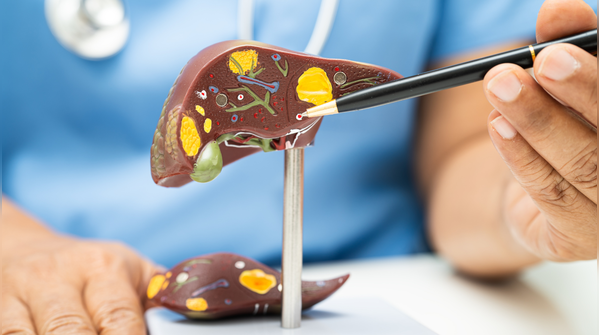
What fatty liver really means inside the body
Fatty liver disease, especially non-alcoholic fatty liver disease (NAFLD), develops when excess fat accumulates in liver cells. This is not just about fat. It is a sign that the body is struggling to process energy properly.
At the center of it lies insulin resistance. The body stops responding well to insulin, so sugar stays longer in the bloodstream. The liver then converts this extra sugar into fat and stores it.
Men's health: Doctor shares early signs of low testosterone and if over-the-counter supplements help
Over time, this can lead to inflammation, and in some cases, damage.
Why medication is not always the first answer
Drugs are not the primary solution for early-stage fatty liver. The liver is not failing because it lacks medicine. It is overwhelmed by daily inputs, food, inactivity, stress, and poor sleep.
As Dr Akash Chaudhary explains, “I often explain to patients that fatty liver disease is less about needing a pill and more about understanding what’s driving the condition in the first place. In the majority of cases, especially non-alcoholic fatty liver disease, reversal is very achievable without medication, but it requires commitment to lifestyle change.”
This shifts the focus from treatment to correction.
The science-backed truth: Weight loss works
One of the most consistent findings across global research is simple: modest weight loss can significantly reverse fatty liver.
A major study by the National Institute of Diabetes and Digestive and Kidney Diseases shows that losing 7-10% of body weight can reduce liver fat, inflammation, and even early scarring.
Similarly, research supported by the National Health Service highlights lifestyle changes as the first-line approach for NAFLD.
This is not about extreme dieting. It is about steady, realistic change.
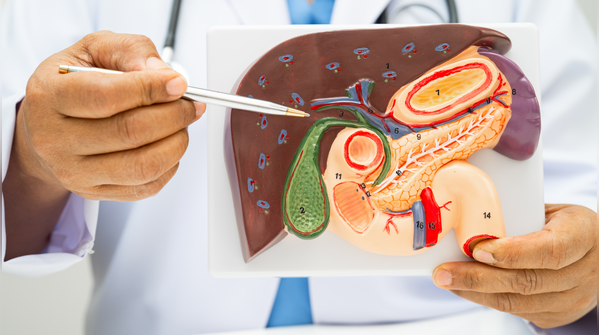
Food choices that help the liver heal
The liver responds quickly to what is eaten daily. It does not need perfection, but it does need consistency.
As Dr Akash Chaudhary notes, “First, improving diet quality. It really comes down to eating fewer processed foods, skipping sugary drinks, and not going overboard with carbs, while making sure you’re getting more fiber into your meals. I usually recommend something along the lines of a Mediterranean-style diet, it’s practical, balanced, and sustainable.”
A Mediterranean-style approach works because it reduces inflammation and improves insulin sensitivity. It focuses on:
Whole grains instead of refined flour
Fresh vegetables and fruits
Healthy fats like nuts and olive oil
Lean protein such as fish and legumes
What matters most is reducing hidden sugars and ultra-processed foods.
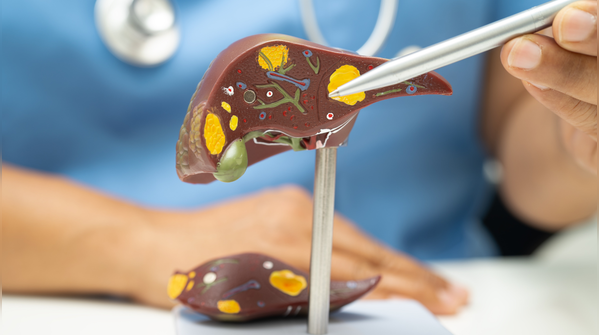
Movement: the simplest and most ignored tool
Exercise does not need to be intense to be effective. The liver responds to regular movement, not occasional bursts.
Even a 30-40 minute brisk walk most days can lower liver fat over time. Movement helps muscles use glucose better, which reduces the load on the liver.
Dr Chaudhary puts it simply, “Even a simple 30-40 minute walk most days can make a real difference over time.”
The goal is not athletic performance. It is metabolic balance.
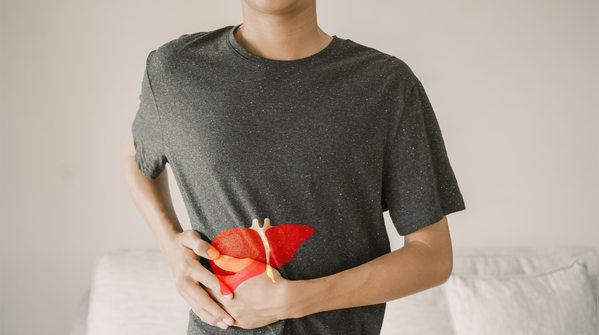
What people often get wrong
Many people look for shortcuts. Detox drinks, crash diets, and extreme fasting often promise quick results. But they rarely address the root problem.
Dr Vinay Kumar BR explains it clearly, “What doesn’t work is crash dieting or relying on so-called ‘liver detox’ products. The liver is already excellent at detoxifying itself. What it needs is less burden, not more gimmicks.”
He adds, “What truly works is gradual, sustained weight loss-typically about 7-10% of body weight. That alone can significantly reduce liver fat and even inflammation.”
The liver heals in silence. Quick fixes usually interrupt that process rather than support it.
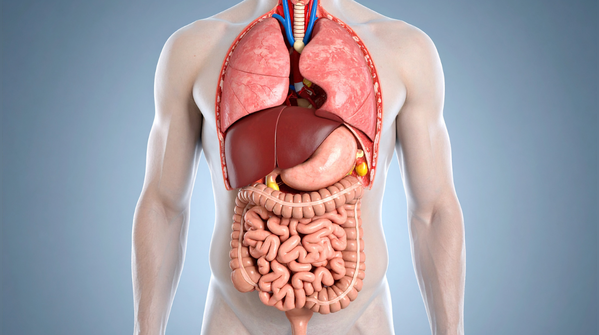
The role of sleep, stress, and patience
Lifestyle is not only about food and exercise. Sleep and stress directly affect metabolic health.
Poor sleep increases insulin resistance. Chronic stress raises cortisol, which pushes the body to store more fat, including in the liver.
The process of reversal is also slow. There is no visible sign day-to-day, which often leads to frustration.
But as Dr Chaudhary points out, “The liver improves quietly and gradually. There’s no overnight transformation, but with steady effort, we do see remarkable reversals on follow-up scans.”
This is where patience becomes part of treatment.
Powerful recovery
The liver is one of the few organs that can regenerate. Given the right environment, it repairs itself without external intervention.
This is why fatty liver is not just a diagnosis. It is also an opportunity. A signal to reset habits before deeper damage begins. In fatty liver disease, that idea holds surprisingly true.
Medical experts consulted
This article includes expert inputs shared with TOI Health by:
Dr Akash Chaudhary, Clinical Director and Sr. Consultant Medical Gastroenterology, CARE Hospitals, Banjara Hills, Hyderabad.
Dr Vinay Kumar BR, Consultant Hepatologist, Gleneagles BGS Hospital, Kengeri, Bangalore.
Inputs were used to explore whether fatty liver disease can be reversed without medication and to highlight what methods are actually effective.
Featured In Health

