
Green cabbage vs purple cabbage: What's the nutritional difference?
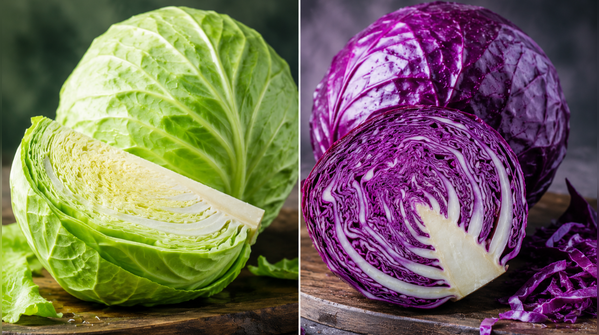
How different are the two popular varieties of cabbage?
Cabbage doesn't get the hype it deserves. Most people think of it as that sad side dish at a barbecue, when really, both green and purple varieties are nutritional powerhouses. But they're not identical, and if you're trying to actually optimize what you're eating (rather than just going through the motions), knowing the differences matters.
The antioxidant gap is real
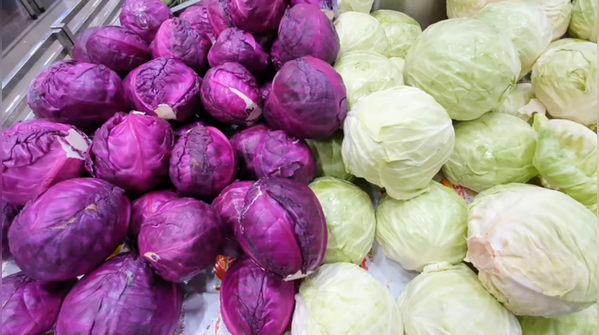
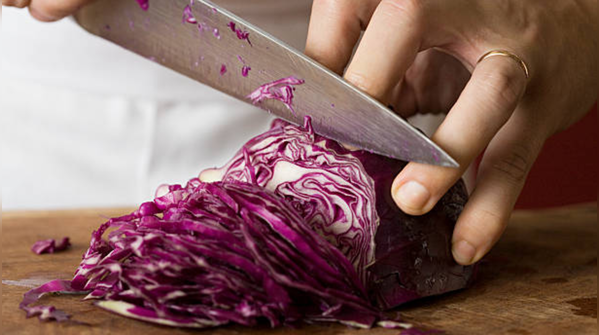
Here's where things get interesting. Purple cabbage has significantly more antioxidants than its green cousin, and it's not even close. The deep purple color comes from anthocyanins, a class of plant compounds that have been linked to everything from reduced inflammation to better heart health. According to report purple cabbage contains more anthocyanin content than green cabbage. That's a massive difference for basically the same vegetable.
Green cabbage isn't a nutritional slouch, though. It contains plenty of other antioxidants like beta-carotene and various polyphenols. But when it comes to that specific anthocyanin punch, purple wins decisively.
Vitamin C and fiber
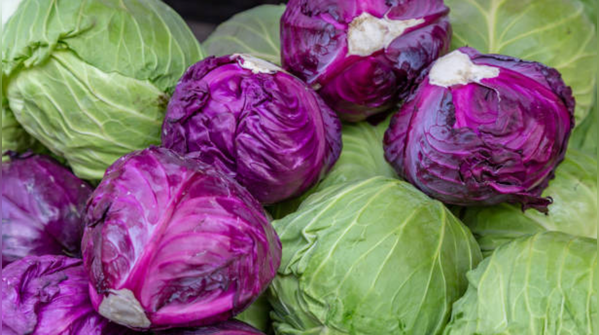
Both varieties are loaded with vitamin C, which probably isn't a surprise if you've thought about cabbage at all. We're talking roughly 50% of your daily needs in just one cup of raw cabbage. And that matters because vitamin C does real work, it supports immune function, helps with collagen production, and acts as an antioxidant itself. The amounts are pretty similar between green and purple, so you won't find a meaningful advantage either way here.
Same story with fiber. Both deliver a decent amount per serving, which is good news if you're trying to keep your digestion running smoothly or maintain stable blood sugar levels. You're not sacrificing anything by choosing one color over the other from a fiber perspective.
Minerals and micronutrients
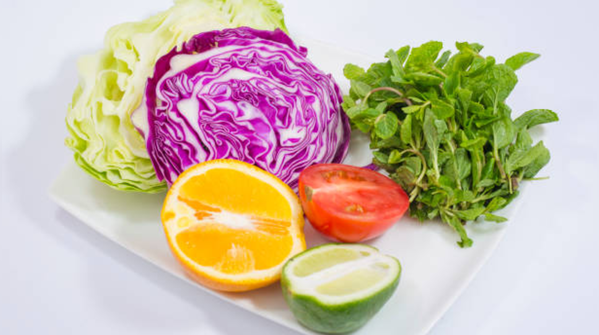
Both types contain potassium, manganese, and vitamin K, which matters because most people don't get enough of these. Purple cabbage tends to have slightly higher levels of certain minerals overall, but we're not talking about a dramatic shift. It's more like the difference between getting 15% and 18% of your daily value—helpful, but not transformative.
Which one should you actually eat?
This is the practical question, and the answer is: eat both. They're both incredibly healthy, they're both cheap, and they're both versatile enough to fit into basically any diet. If you're specifically looking to maximize antioxidant intake and you don't mind the slightly earthier, more bitter flavor of purple cabbage, go for that. If you prefer the milder taste of green cabbage or you're just drawn to it, that works perfectly fine too.
The best vegetable is the one you'll actually eat consistently.
Green and purple cabbage aren't dramatically different nutritionally, but purple edges ahead on antioxidants. Both are loaded with fiber and vitamin C.
Featured In etimes

