
- News
- Health News
- Getting breathless after a short walk? Why more young adults are facing this silent warning sign
Getting breathless after a short walk? Why more young adults are facing this silent warning sign
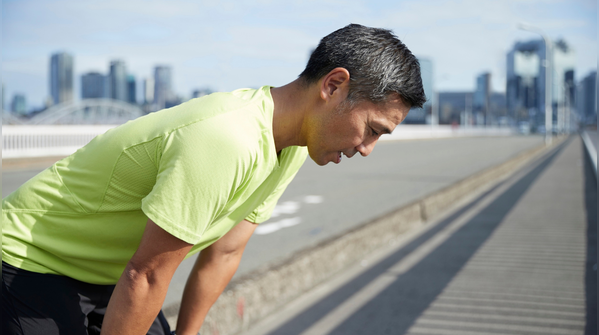
When a simple walk feels like a task
There was a time when getting breathless after a short walk was seen in older adults or those with known illness. That picture is changing. Many young adults now report feeling out of breath after climbing a few stairs or walking a short distance. It often gets brushed aside as “being unfit.” But the body rarely sends signals without reason. Breathlessness, especially when it becomes frequent, deserves a closer look.
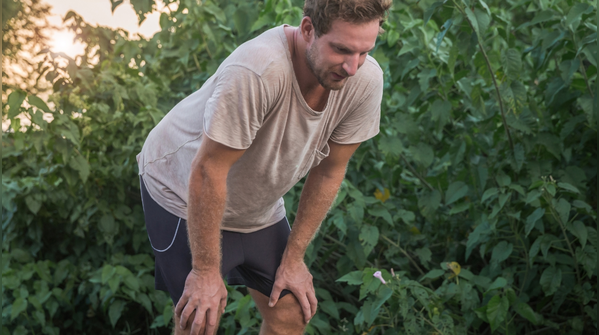
What does “short breath while walking” really mean?
Shortness of breath, or breathlessness, is the feeling that the body is not getting enough air. It can show up as rapid breathing, chest tightness, or the need to stop and catch one’s breath after mild effort.
In healthy individuals, the heart and lungs work together smoothly. When activity increases, oxygen demand rises, and the body adjusts. But when this system is not functioning at its best, even small tasks begin to feel exhausting.
This is not just about lungs. In many cases, it is a sign that the heart, blood vessels, or overall fitness level is struggling to keep up.
Looks like anxiety, feels like fatigue, but could be high BP
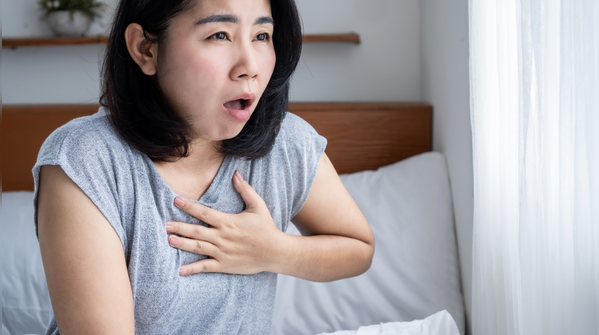
A shift in age: Why young adults are reporting it more
Doctors are seeing a noticeable pattern in clinics.
As Dr Rahul Sharma from CK Birla Hospitals explains, “Young people are increasingly complaining of shortness of breath even after doing very simple activities like walking and climbing stairs… The main cause is a constant decrease in heart and blood vessel fitness due to lack of physical exercises.”
Modern routines play a big role. Long hours at desks, minimal movement, and high screen time have quietly reduced daily physical activity. The body adapts to inactivity, but not in a good way. Over time, stamina drops, and even basic movement feels demanding.
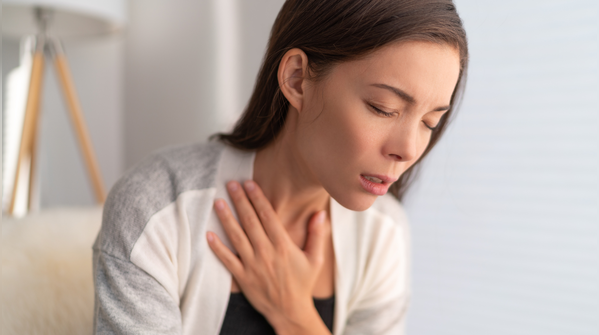
What’s happening inside the body
The changes are subtle at first, but they build up.
According to Dr Ashok Malpani, cardiologist, “The heart then becomes less and less capable of handling the demand for energy when they exert themselves… arteries are not as efficient at supplying oxygenated blood… causing fatigue and shortness of breath.”
Here is what often unfolds:
The heart becomes less efficient at pumping blood
Blood vessels lose flexibility over time
Oxygen delivery to muscles slows down
Energy production drops faster than expected
This is why someone may feel tired halfway through a short walk. It is not always weakness. It is often reduced cardiovascular conditioning.
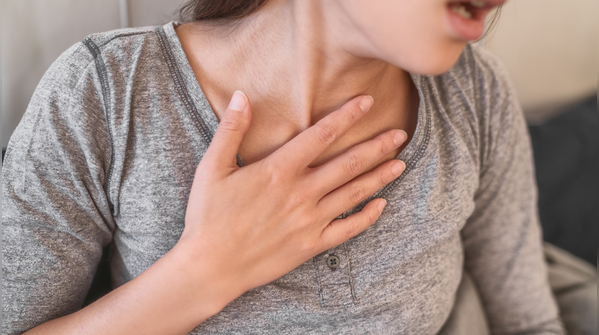
Lifestyle triggers that quietly add up
Several everyday habits contribute to this issue, often without immediate warning signs.
Sedentary routine: Sitting for long hours weakens endurance
Poor diet: High salt, sugar, and processed foods affect heart health
Weight gain: Extra body weight increases workload on the heart
Smoking: Damages lungs and blood vessels
Chronic stress: Raises cortisol, which impacts blood pressure
Irregular sleep: Disrupts recovery and energy balance
Air quality is another factor. Long-term exposure to polluted air can inflame airways and make the heart work harder.
A study published in the NIH highlights rising cardiovascular risks among younger Indians.
Similarly, the World Health Organization links physical inactivity to increased risk of heart disease and reduced endurance.
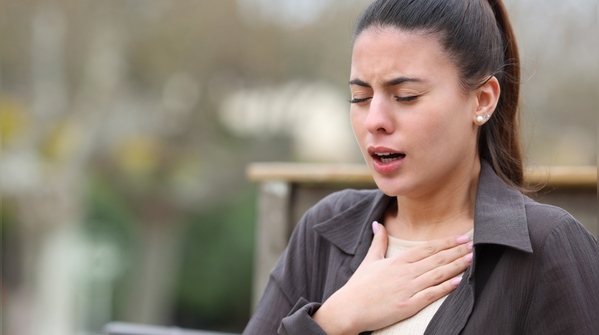
When breathlessness is more than just “being unfit”
Occasional breathlessness after intense activity is normal. But some signs should not be ignored:
Breathlessness during mild activity like walking slowly
Feeling tired unusually early
Chest discomfort or palpitations
Breathlessness that worsens over time
Dr Rahul Sharma notes, “A lot of young people overlook these early signs… but breathlessness that continues over time should never be ignored.”
In some cases, it can point to deeper issues such as early coronary artery disease or irregular heart rhythms.
Can it be reversed? Yes, and often effectively
The encouraging part is that this condition is often reversible with consistent effort.
Regular movement is the most powerful tool. Even simple activities like brisk walking or cycling for 30 minutes a day can improve heart efficiency over time.
Other key steps include:
Building a routine that includes daily movement
Eating balanced meals with whole foods
Managing stress through relaxation techniques
Prioritising consistent sleep
Getting routine health check-ups
The heart responds well to positive change. It adapts quickly when given the right conditions.
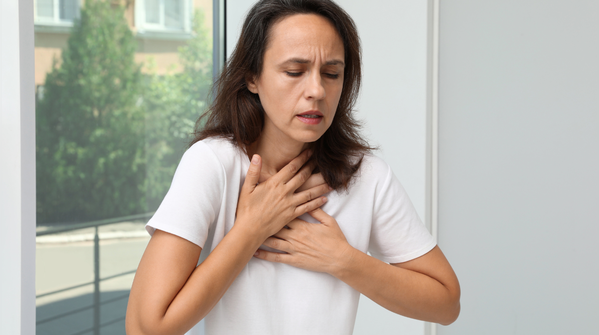
A warning which is worth listening to
Breathlessness during simple activity is not just an inconvenience. It is often an early signal. The body is asking for attention, not punishment.
Ignoring it may allow small problems to grow into larger ones. Addressing it early can restore stamina and prevent future complications.

Medical experts consulted
This article includes expert inputs shared with TOI Health by:
Dr Rahul Sharma, Additional Director - Cardiology, CK BIRLA HOSPITALS Jaipur.
Dr Ashok Malpani - Cardiologist , CK Birla Hospitals, BM Birla Heart Hospital.
Inputs were used to explain the causes, risks, and underlying health concerns behind the ‘short breath while walking’ complaint in young adults.
Featured In Health

