
- News
- Health News
- Gestational Diabetes may end after pregnancy, but its hidden impact on thyroid health could last for years
Gestational Diabetes may end after pregnancy, but its hidden impact on thyroid health could last for years

Is Gestational Diabetes a risk factor for thyroid dysfunction
Pregnancy changes a woman’s body in ways that are visible and invisible. Some changes fade after childbirth, while others quietly stay in the background for years. Gestational diabetes is one such condition. Often treated as a temporary pregnancy complication, it may actually leave behind a long-term impact on metabolic and hormonal health, including the thyroid gland.
For many women, the focus after delivery shifts completely to the baby. Fatigue, hair fall, mood swings, sudden weight changes, and low energy are brushed aside as “part of motherhood.” But in some cases, these symptoms may point toward a deeper hormonal imbalance linked to thyroid dysfunction.
Doctors are now paying closer attention to the relationship between gestational diabetes and thyroid health, especially because both conditions involve hormone regulation, metabolism, and the immune system. Research suggests that women who experience blood sugar disturbances during pregnancy may carry a higher risk of developing thyroid disorders later in life.

What exactly is Gestational Diabetes?
Gestational diabetes is a form of diabetes that develops during pregnancy, usually in the second or third trimester. It happens when the body cannot effectively use insulin, leading to higher-than-normal blood sugar levels.
According to the Centers for Disease Control and Prevention (CDC), gestational diabetes affects pregnant women even if they have never had diabetes before. In many cases, blood sugar levels return to normal after childbirth. But the body may continue carrying underlying metabolic changes long after pregnancy ends.
Dr (Col) Vijay Dutta, Director, Internal Medicine & Respiratory Services at ISIC Multispeciality Hospital, explains, “There are lots of changes that the woman's body undergoes when she is pregnant, such as hormonal changes, metabolism, and variations in blood sugar. Many people think of gestational diabetes only when a woman is a mother, but many women don't know that gestational diabetes can also contribute to future thyroid issues.”
He further adds, “The condition can, however, cause life-long metabolic changes that can raise the risk of diabetes, heart disease and even thyroid problems later on.”
A government-backed study published by the National Institutes of Health (NIH) has also explored the association between insulin resistance and thyroid dysfunction, noting that metabolic disorders and thyroid imbalance often overlap.

Why the Thyroid may be affected years later
The thyroid is a small butterfly-shaped gland located in the neck, but its role in the body is enormous. It controls metabolism, body temperature, heart rate, energy production, and hormone balance.
During pregnancy, the thyroid works harder to support both the mother and the developing baby. When gestational diabetes enters the picture, the body experiences additional stress through insulin resistance and hormonal fluctuations.
Dr Dutta explains, “Hormones and immune system changes are also a possibility in women with gestational diabetes, and these changes can impact thyroid functions.”
He further notes, “One study suggests that insulin resistance, the main issue with gestational diabetes, can impact the activity of the thyroid and raise the risk of hypothyroidism later in life.”
Experts believe some women may already have mild thyroid imbalance before pregnancy, but the symptoms remain unnoticed. Pregnancy and uncontrolled blood sugar may worsen the condition gradually.
A study available through the US National Library of Medicine found that thyroid dysfunction and gestational diabetes can coexist due to shared metabolic and autoimmune pathways.
This connection matters because thyroid disorders often develop slowly. Symptoms may not appear immediately after childbirth. Instead, they quietly build over months or years.

Symptoms women ignore after childbirth
Motherhood changes daily routines, sleep cycles, and emotional health. Because of this, thyroid dysfunction can easily hide behind what many describe as “normal post-pregnancy exhaustion.”
The warning signs are often subtle at first.

Some common symptoms include:
Constant tiredness even after rest
Sudden or unexplained weight gain
Hair thinning or excessive hair fall
Dry skin and brittle nails
Mood swings or low mood
Anxiety or depression
Feeling unusually cold
Irregular menstrual cycles
Brain fog and low concentration
Dr Dutta says, “Women may believe that these changes are part of being a mom or stress, but if they continue, it is advisable to seek medical evaluation.”
What makes thyroid disorders difficult is that symptoms overlap with everyday stress and postpartum recovery. A woman may spend years adjusting her lifestyle around these symptoms without realising a hormonal issue is silently progressing.
In India, where women often prioritise family health before their own, routine post-pregnancy monitoring is still not common enough. That gap can delay diagnosis.
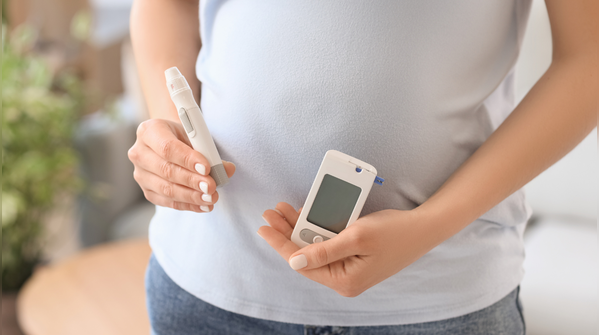
Why post-pregnancy health monitoring matters
Once the baby is born healthy, many women stop regular medical follow-ups. But experts say this is exactly when long-term monitoring becomes important, especially for those who had gestational diabetes.
The National Institute of Diabetes and Digestive and Kidney Diseases (NIDDK) recommends regular health screening after gestational diabetes because women remain at higher risk for future metabolic disorders.
Dr Dutta advises, “If symptoms are present, doctors may advise to keep a close watch on blood sugar, maintain a healthy weight and test thyroid function.”
He also warns that delayed detection may contribute to larger health concerns later, including:
Obesity
High cholesterol
Infertility
Chronic fatigue
Heart disease
Persistent hormonal imbalance
Women with a family history of thyroid disorders or diabetes may face even greater risk.
Routine thyroid testing, especially when symptoms persist, can help identify hypothyroidism early. In many cases, timely treatment significantly improves quality of life.
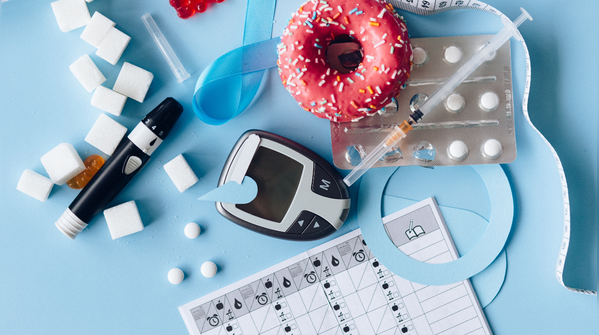
Small lifestyle changes can protect long-term health
The good news is that long-term health risks are not inevitable. The body responds remarkably well to steady lifestyle habits and early medical attention.
Balanced meals, regular physical activity, stress management, proper sleep, and follow-up health checks can help support both blood sugar and thyroid function.
Dr Dutta says, “This should not only be regarded as a temporary condition, but also as a significant period that provides insights into the health of women in the future.”
He adds an important reminder, “After giving birth, women should not neglect their health due to gestational diabetes. Symptoms such as tiredness, weight changes or hormonal imbalance are worth checking on at any point, even years after.”
Maternal health is often discussed only during pregnancy. But the truth is, pregnancy can sometimes reveal hidden vulnerabilities in the body that deserve lifelong attention.
Taking care of a mother’s health is not a luxury after childbirth. It is preventive care for the future.

Medical experts consulted
This article includes expert inputs shared with TOI Health by:
Dr (Col) Vijay Dutta, Director, Internal Medicine & Respiratory Services, ISIC Multispeciality Hospital.
Inputs were used to explain how gestational diabetes may silently increase the long-term risk of thyroid dysfunction in women and why early monitoring after pregnancy is important for protecting future hormonal and metabolic health.
Featured In Health

