
- News
- City News
- mumbai News
- This new Thane- Navi Mumbai corridor could cut your commute by 40 minutes — first stretch opens this year
This new Thane- Navi Mumbai corridor could cut your commute by 40 minutes — first stretch opens this year
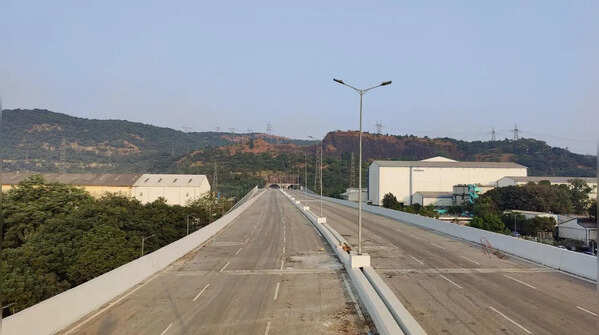
Airoli–Katai corridor’s first phases to open by December
The Mumbai Metropolitan Region’s ambitious Airoli–Katai Naka high-speed corridor is finally taking shape, with two phases expected to open by the end of 2026 and the full 12.7-km stretch targeted for completion by October 2028. The project is expected to dramatically improve connectivity between Navi Mumbai, Thane and the rapidly growing Kalyan-Dombivli belt.
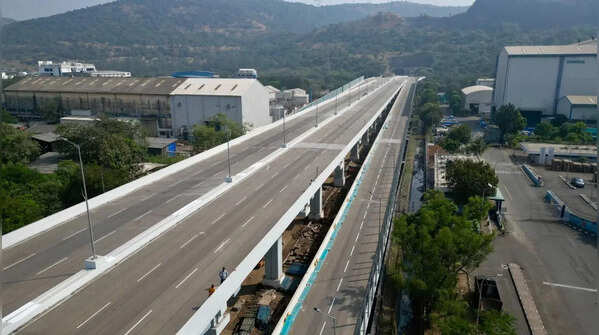
Two phases by Dec 2026, full corridor by 2028
According to MMRDA, two of the three construction phases are expected to become operational by December this year. The remaining section is scheduled to be completed by October 2028. Officials say phased opening will help commuters start benefiting from the project even before the entire corridor is ready, while construction continues on the remaining portions.
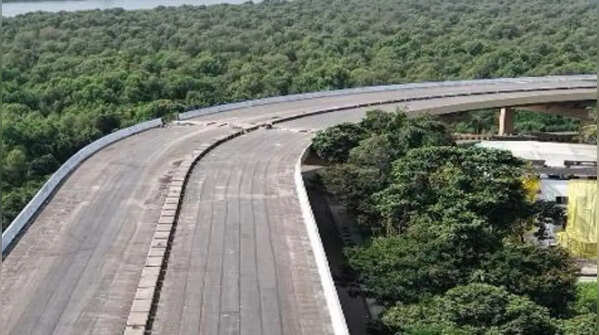
40-minute reduction in travel time expected
The new corridor is expected to reduce travel time between Navi Mumbai and the Kalyan-Dombivli region by nearly 40 minutes. It will also shorten the overall travel distance by around 8 km. For thousands of daily commuters travelling between residential suburbs and employment hubs, the project could significantly reduce congestion, fuel consumption and commuting stress.
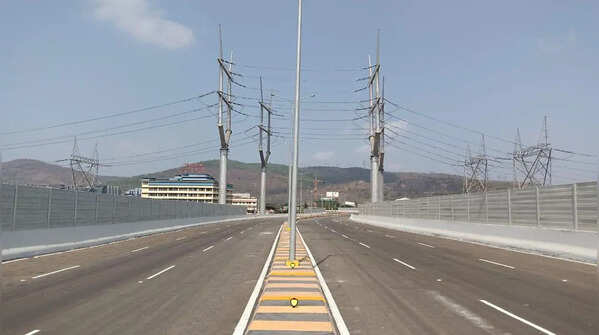
Faster access for rapidly growing suburbs
The corridor has been designed keeping in mind the explosive growth of suburbs such as Dombivli, Kalyan, Ulhasnagar, Ambernath, Vithalwadi and Badlapur. These regions have witnessed major residential expansion over the past decade, but road connectivity has struggled to keep pace. The project is expected to improve access to Mumbai, Navi Mumbai and Thane while also supporting future urban growth in the eastern MMR region.
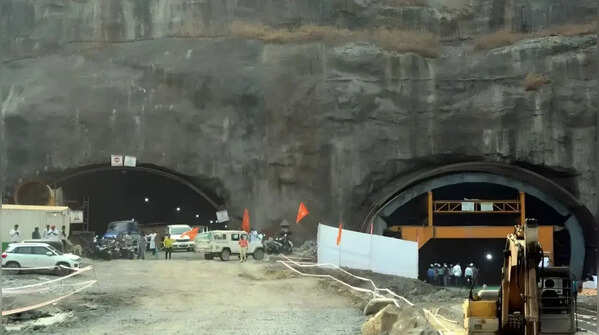
Twin tunnels and elevated stretches planned
The project includes two major tunnels and elevated road sections aimed at creating uninterrupted high-speed movement.Each twin tunnel will be around 1.69 km long and designed with three traffic lanes along with an emergency lane. One segment connecting Thane-Belapur Road to National Highway 4 will span 3.43 km, while another section between Airoli Bridge and Thane-Belapur Road will cover 2.57 km. The infrastructure is being designed to handle growing traffic volumes over the coming decades.
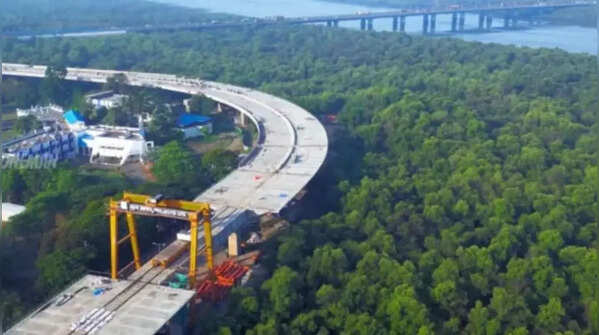
Govt sees corridor as major regional growth driver
Chief minister Devendra Fadnavis described the project as an important component of the broader “Mumbai 3.0” vision, which aims to reduce pressure on Mumbai city by creating stronger infrastructure links across the metropolitan region. Officials believe the corridor will help distribute economic growth more evenly across Navi Mumbai, Thane and the extended suburbs while improving regional mobility. MMRDA officials also said the project supports the vision of creating “Mumbai in Minutes” through faster road connectivity.
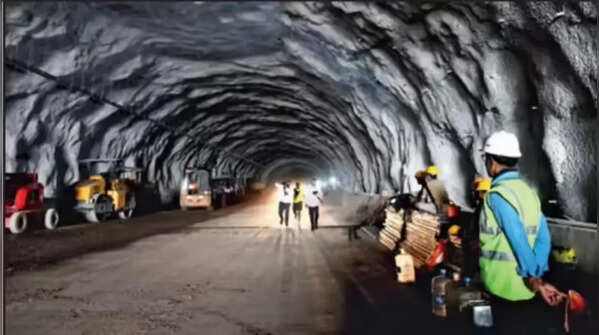
Rs 2,000-crore-plus package moves ahead
Sources said Afcons Infrastructure emerged as the lowest bidder for one of the key construction packages with a bid of around Rs 2,018 crore. Other companies in the race included Ashoka Buildcon, Navayuga Engineering Company and APCO Infratech. As construction accelerates over the next two years, the Airoli–Katai corridor is expected to become one of the most important road infrastructure projects in the Mumbai Metropolitan Region, potentially reshaping daily commuting patterns for lakhs of people.
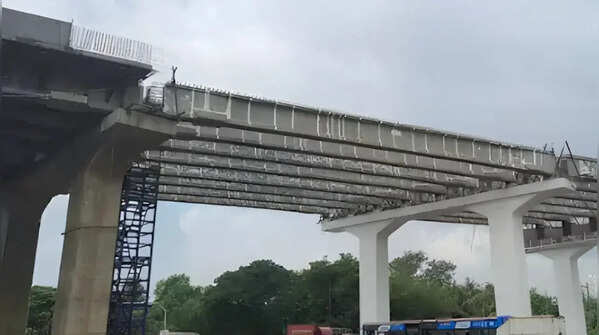
A new east-west connector for MMR
The Airoli–Katai corridor is being developed as a high-speed urban link connecting Airoli in Navi Mumbai to Katai Naka near Kalyan. At present, commuters travelling between these regions are forced to take longer routes via Thane or Mahape, resulting in heavy congestion and long travel times. Once operational, the corridor will provide a much more direct route and become a major alternative traffic artery within the Mumbai Metropolitan Region.
Featured In City

