
- News
- City News
- chennai News
- 'e200x': Chennai startup to develop first electric air taxi
'e200x': Chennai startup to develop first electric air taxi
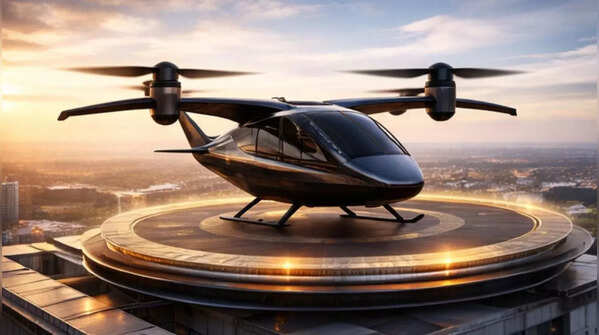
India’s First Electric Air Taxi
Chennai-based startup The ePlane Company is developing India’s first electric air taxi, the e200x, marking a major milestone in the country’s urban air mobility ambitions. The project combines electric propulsion with advanced simulation and computing technologies to enhance safety and performance before real-world deployment. (AI Photo)
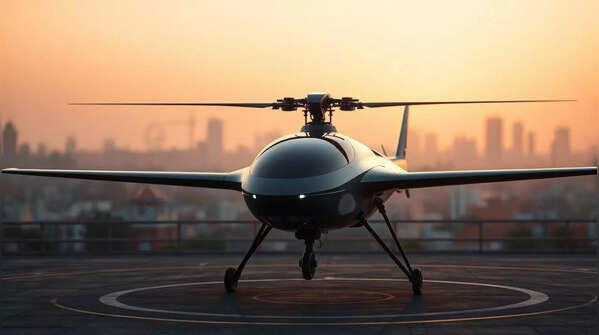
'e200x': Making Air Travel Reliable
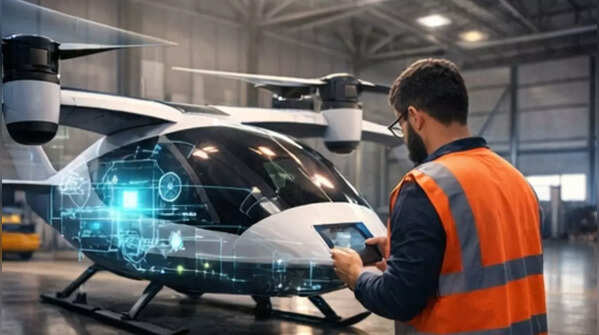
Engineers at the company have built a highly detailed “digital twin” of the e200x using Nvidia Omniverse software. This virtual replica mirrors the aircraft’s real-world systems, enabling extensive testing in a simulated environment prior to actual flight trials. (AI Photo)
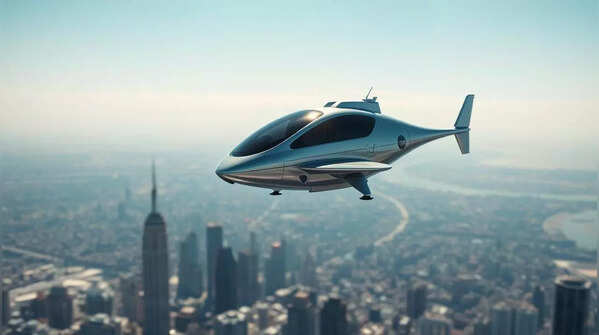
Engineers Validate Systems Digitally
The digital twin allows teams to test complex flight physics, onboard sensors, and emergency scenarios in a controlled virtual world. By simulating extreme and rare conditions, engineers can refine aircraft behaviour and response mechanisms before the physical aircraft takes off. (AI Photo)
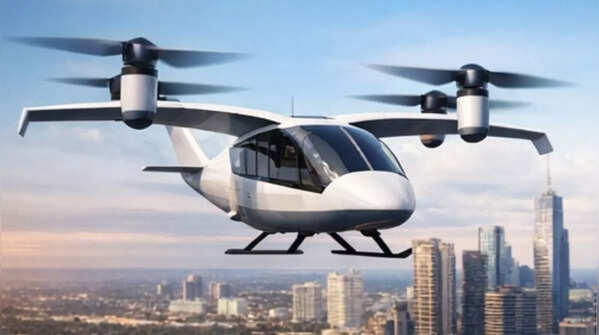
Processes Cameras And Radars
The ePlane Company plans to use Nvidia’s onboard computing platform within the aircraft to process data from cameras and radars. This system will help the air taxi make safe, real-time decisions during flight operations. (AI Photo)
Safety Enhanced Through Simulation
By flying millions of virtual kilometres first, the company aims to enhance safety and reliability in urban air travel. The approach ensures that potential risks are identified and mitigated long before commercial deployment. (AI Photo)
Boosting India’s Aviation Innovation
The collaboration represents a significant step for India’s aviation sector, introducing advanced simulation-led aircraft development. It signals the integration of high-performance computing into next-generation aerospace innovation. (AI Photo)
HPC Powers Real-Time Simulations
The simulations require high-performance computing (HPC) infrastructure powered by advanced GPUs capable of rendering real-time physics. The digital twin also serves as a predictive analytics engine, mirroring aircraft components to anticipate maintenance needs before failures occur. (AI Photo)
Uncompromising Physical Flight Safety
Bakthakolahalan Shyamsundar, principal engineer – Avionics Systems & Autonomy at The ePlane Company, described the system as more than a simulation, saying it enables the aircraft to “live a thousand lives” digitally. He said the process accelerates innovation, allowing every decision to be validated virtually to ensure uncompromising safety in physical operations. (AI Photo)
Featured In City

