
6 iconic 1990s car interiors that redefined luxury design

6 iconic 1990s car interiors that redefined luxury design
Few car cabins have aged as gracefully as those from the 1990s. That decade changed the language of luxury. The goal was no longer just to look expensive; it was to feel calm, quiet, and carefully made. Leather got softer, wood trim became more deliberate, seats became more supportive, and the best cars began to hide their technology inside the cabin instead of letting it dominate the view. Several global luxury automakers played a role in shaping this quieter, more refined approach to cabin design. The result was a generation of interiors that balanced craftsmanship with restraint. They focused less on spectacle and more on comfort, durability, and the quiet satisfaction of well-chosen materials. Many of those cabins still feel dignified today, a reminder of a moment when luxury design found a new sense of composure. Here are six iconic 1990s car interiors that helped define that shift.
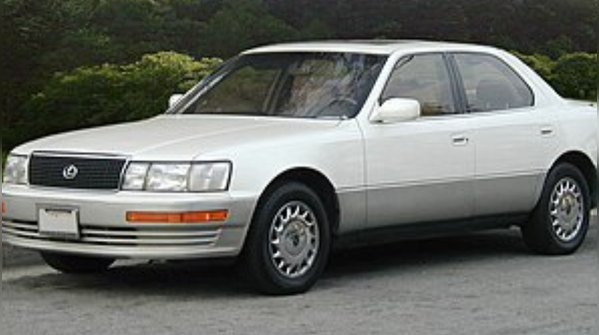
Lexus LS 400
The Lexus LS 400 arrived with one clear mission: to be “the world’s finest luxury performance saloon". Lexus backed that ambition with a whisper-quiet, vibration-free cabin that made silence itself feel like a luxury feature. It was not a loud kind of prestige. It was the opposite, measured, and disciplined, almost surgical in how it treated refinement. That sense of hush became one of the LS 400’s defining ideas and helped reset expectations for what a luxury sedan could feel like from the inside.
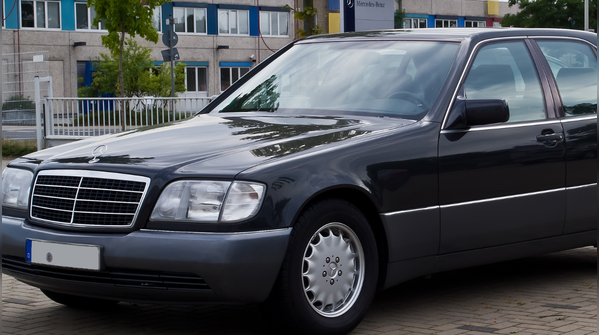
Mercedes-Benz S-Class W140
If the Lexus was quiet luxury, the Mercedes-Benz W140 was luxury with weight behind it. Mercedes built the cabin like a moving sanctuary, with double-paned soundproofed glass, 12-way powered heated front seats, soft-closing doors and trunk, rear-seat heating on long-wheelbase models, burlwood inserts, and early navigation tech in some versions. It was loaded, yes, but not in a flashy way. The effect was to make the cabin feel sealed off from the world, as if the car had been engineered to make time slow down.

BMW 7 series E38
BMW’s E38 7 Series brought elegance to the executive sedan without turning the cabin into a showroom. BMW describes the car as a sensitive revision of the previous generation, and the long-wheelbase L7 pushed the idea further, offering every conceivable extra, all-leather upholstery, and generous rear-seat space. That balance of restraint and abundance is what made the E38 so memorable: it felt serious, polished, and modern, but never overworked. The interior said 'power' quietly, which was exactly the point.
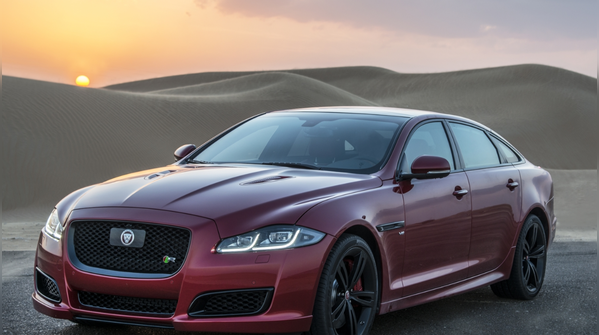
Jaguar XJ X00
The Jaguar X300 kept the soul of old-world British luxury alive at a moment when many brands were chasing a more technical future. Its cabin updated the older XJ formula with rounded seats, bevel-edged wood trim, and a redesigned steering wheel, while higher trims added leather upholstery, automatic climate control, and power memory seats. The result was less clinical than some rivals and more romantic. Jaguar did not try to erase its heritage. It polished it, softened it, and let the wood and leather do the talking.

Infiniti Q45
The first-generation Infiniti Q45 took a very different route. Nissan said the car was meant to express the Japanese concept of luxury through traditional craftsmanship, and that showed in the original minimalist interior. At launch, there was no front grille and no wood panelling on the dashboard, while Poltrona Frau helped shape the stripped-back cabin. Standard equipment still included leather, power-adjustable seats, digital climate control, keyless entry, and a Bose sound system. In an era obsessed with ornament, the Q45’s restraint felt almost rebellious.
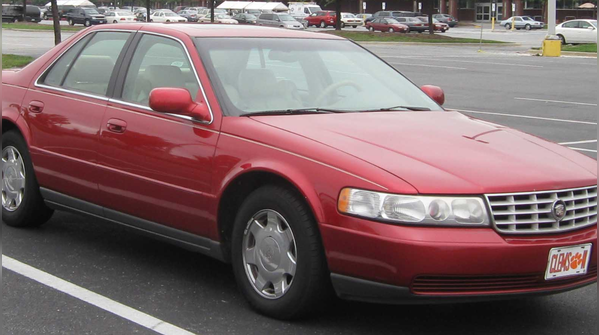
Cadillac Seville STS
Cadillac’s fourth-generation Seville, especially in STS form, brought a richer American interpretation of the luxury cabin. By 1994, the STS used more zebrawood trim than the SLS, paired with perforated leather seats, memory settings, a soft-close trunk lid, and a long list of comfort features. It was opulent without being old-fashioned, and it showed that American luxury in the 1990s could be smart, layered, and technically ambitious rather than merely big.
Featured In Auto

