
- News
- lifestyle
- home-garden
- Things you are not allowed to do in your garden in the UK
Things you are not allowed to do in your garden in the UK
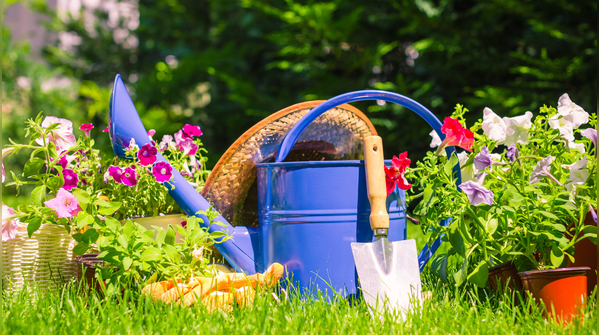
UK garden rules to know
A garden may feel like a private escape, but in the UK, it is not a law-free zone. Many homeowners are surprised to learn that some everyday gardening habits can lead to complaints, fines, or even legal action. From noisy DIY projects to feeding wildlife the wrong way, several actions are restricted because they affect neighbours, public safety, local wildlife, or the environment.
What makes these rules interesting is that most of them are not widely discussed. People often focus on lawn care, flowers, or outdoor décor, but very few stop to think about what should not be done in a garden. Some restrictions come from local councils, while others are tied to environmental laws and neighbour nuisance regulations.
Here are some lesser-known things that are not allowed or strongly discouraged in UK gardens.
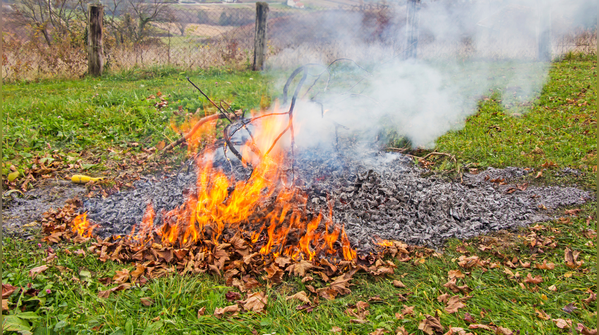
Burning garden waste whenever you want
Many people assume garden bonfires are completely normal in the UK, especially during autumn clean-ups. While bonfires are not fully banned, creating excessive smoke can become a legal issue. Thick smoke drifting into nearby homes, roads, or public spaces can be treated as a “statutory nuisance” by local councils.
Wet leaves, plastic-coated materials, rubber items, and household waste should never be burned in gardens. Apart from producing toxic fumes, these fires often trigger complaints from neighbours. In some areas, councils may even issue penalties if repeated complaints are made.
Garden fires late in the evening or during windy weather are especially frowned upon because smoke tends to travel farther and linger longer.
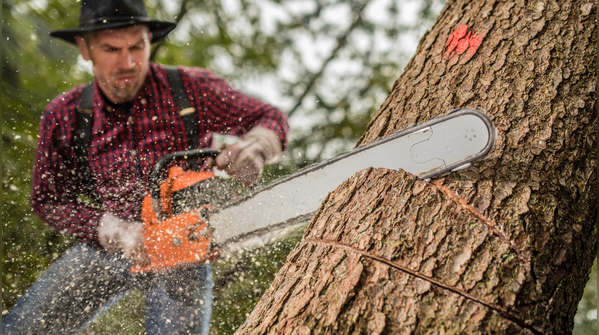
Cutting trees protected by law
A tree standing inside a garden does not always mean the owner can freely cut it down. In the UK, many trees are protected through Tree Preservation Orders (TPOs) or conservation area rules. Cutting, topping, uprooting, or heavily trimming such trees without permission can result in hefty fines.
What catches many people off guard is that even mature trees planted decades ago by previous owners may still be protected today. Some councils also protect trees because they support bird nesting, local wildlife, or the overall character of a neighbourhood.
Before major tree work, homeowners are usually expected to check with their local authority instead of assuming permission is automatic.

Installing giant security lights that disturb neighbours
Outdoor lighting has become increasingly popular in gardens, but extremely bright security lights can become a serious nuisance. Floodlights aimed directly into neighbouring windows or gardens often lead to disputes.
In the UK, poorly positioned lighting may fall under light pollution complaints. Constant glare can disturb sleep, affect wildlife, and reduce privacy for nearby homes. Some councils treat excessive artificial light similarly to noise complaints.
Motion-sensor lights are usually considered more reasonable than lights that stay on throughout the night.
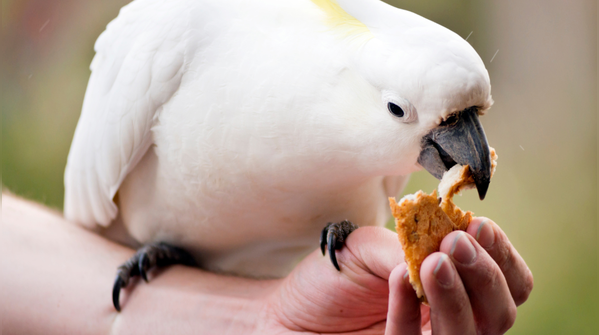
Feeding wildlife in ways that create problems
Feeding birds is common across British gardens, but regularly attracting foxes, rats, pigeons, or seagulls in large numbers can become an issue. Overfeeding wildlife or leaving food scraps outside may encourage infestations and complaints from neighbours.
Certain invasive species are also protected under strict rules. In some cases, releasing non-native animals into the wild or encouraging harmful species can violate environmental regulations.
Many wildlife experts suggest feeding birds responsibly while avoiding piles of leftover food that attract pests after dark.

Running noisy power tools at unreasonable hours
A quiet Sunday morning can quickly become tense if loud hedge trimmers, chainsaws, or DIY tools start roaring next door. While there is no single nationwide law setting exact gardening hours, councils can investigate repeated noise disturbances.
Noise complaints often rise during spring and summer when outdoor work increases. Using loud equipment late at night, very early in the morning, or for long continuous periods may be considered antisocial behaviour.
Some neighbourhood disputes begin not because of the noise itself, but because residents feel there was no consideration shown toward shared living spaces.
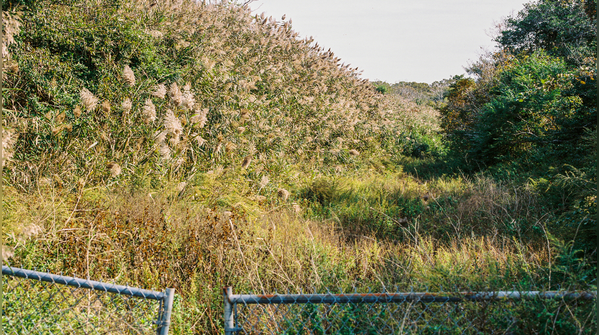
Letting invasive plants spread beyond the garden
Certain plants in the UK are treated very seriously because they damage ecosystems and nearby properties. Japanese knotweed is one of the most well-known examples. Allowing it to spread into neighbouring land can create legal trouble and expensive removal costs.
Some invasive plants grow aggressively underground and damage walls, paving, drains, and foundations. Selling or improperly disposing of certain invasive species is also restricted.
Many homeowners only discover the seriousness of these plants while trying to sell a property, as surveyors often flag them during inspections.

Disclaimer
Rules and restrictions related to gardens may vary depending on local council regulations, property type, tenancy agreements, and conservation laws in different parts of the UK. This article is intended for general informational purposes only and should not be treated as legal advice. Readers are encouraged to check with their local authority or official government guidance before carrying out major garden-related activities.
Featured In lifestyle

MORE FROM ETIMES
life & style