
- News
- Health News
- Taking supplements every day? Doctor warns they may be doing more harm than good
Taking supplements every day? Doctor warns they may be doing more harm than good
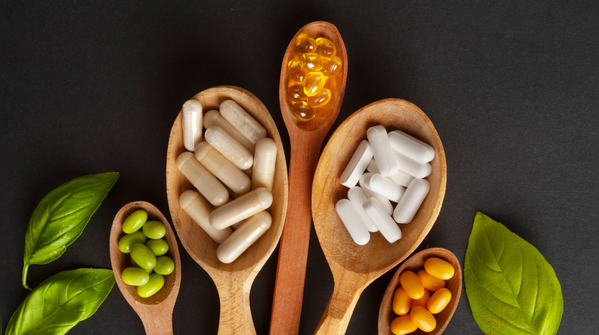
Are supplements helpful or a hype?
There is a strange comfort in opening a bottle of supplements every morning. It feels responsible, healthy, and preventive. Social media influencers recommend them, gym trainers swear by them, and supermarket shelves are packed with colourful promises of “better immunity”, “more energy”, and “complete wellness”.
But the body does not work like a storage locker where extra vitamins automatically turn into extra health.
Doctors are increasingly warning that many people are taking supplements without understanding whether their body actually needs them. And when supplements are taken casually, the results are not always harmless.
A growing number of studies now show that supplements can help in certain medical situations, but they are not magic pills for everyone.
According to the National Institutes of Health Office of Dietary Supplements, many supplements have benefits only when there is a proven deficiency or a specific medical need.
Why the body may not need those extra pills
Many people assume that if one vitamin is good, taking more must be even better. The body, however, does not work on that logic.
Dr Amit Prakash Singh, Consultant - Internal Medicine at CK Birla Hospital, explains, “Taking supplements every day might seem like a healthy habit, but it doesn’t always work as people expect. Most vitamins and minerals are helpful only if your body needs them. If you are already getting enough from your diet, extra supplements often just pass through your body without providing any real benefit.”
The body absorbs nutrients in very specific amounts. Once those needs are met, extra intake often becomes unnecessary. Water-soluble vitamins like vitamin C may get flushed out through urine, while fat-soluble vitamins such as vitamins A and D can build up inside the body over time.
That difference matters more than most people realise.
A large study published by the US Preventive Services Task Force found insufficient evidence that routine vitamin supplementation prevents cancer or heart disease in healthy adults.
In simple words, popping daily vitamins without a diagnosed need may not offer the protection many people expect.
When “healthy” supplements can become risky
One of the biggest myths around supplements is that “natural” automatically means safe.
Doctors say this assumption often leads people into risky territory.
Dr Singh says, “In some cases, taking supplements regularly can cause problems. For example, too much vitamin A or vitamin D can build up in the body and become harmful. Taking iron tablets without a deficiency can upset the stomach or lead to overload over time. Even natural or herbal supplements aren’t always safe; they can interact with medications or affect the liver and kidneys.”
This is especially important because supplement overdoses are not always dramatic or immediate. Sometimes the effects build slowly.
Too much vitamin D may increase calcium levels and affect the kidneys. Excess vitamin A may lead to headaches, liver problems, and bone issues. Iron overload can damage organs over time.
What makes the issue more complicated is that supplements are often self-prescribed. Many people start taking them after watching online videos, fitness reels, or celebrity interviews instead of consulting a doctor.
And that trend is growing rapidly.

Why food still does the job better
A banana does not come with an ingredient label screaming about potassium. Spinach does not market its iron content. Yet real food continues to outperform many synthetic alternatives.
There is a reason for that.
Nutrients from food work together in ways science still continues to study. Fruits, vegetables, pulses, nuts, seeds, and whole grains contain fibre, antioxidants, healthy fats, and plant compounds that supplements cannot fully replicate.
Dr Singh explains, “It’s also important to remember that supplements cannot replace a balanced meal. Nutrients from real food are absorbed better because they come with fiber, antioxidants, and other beneficial compounds. Eating fruits, vegetables, whole grains, and proteins does much more for your health than relying on pills.”
This is one reason why doctors often encourage dietary changes before recommending supplements.
An orange brings vitamin C, hydration, fibre, and antioxidants together. A tablet may only provide isolated vitamin C.
The difference is bigger than it appears.
The few situations where supplements genuinely matter
Supplements are not useless. In many medical conditions, they are extremely important and sometimes lifesaving.
The key difference is supervision and actual need.
Dr Singh says, “However, supplements do play a role. They can be useful in specific situations, such as vitamin D deficiency, anemia caused by low iron, pregnancy (folic acid), or certain medical conditions where absorption is poor. In these cases, they should be taken in the right dose and under medical supervision.”
Pregnant women are commonly advised folic acid to reduce birth defects. People with diagnosed anemia may need iron supplementation. Older adults with vitamin B12 deficiency may require treatment. Individuals with limited sunlight exposure may genuinely need vitamin D.
But even then, dosage matters.
A blood test, proper diagnosis, and medical advice remain far more reliable than guessing based on fatigue or internet trends.
Health cannot be outsourced to a capsule
Modern life has made people impatient with health. Many want quick fixes for poor sleep, irregular eating habits, stress, and lack of exercise.
Supplements often enter that gap because they appear easier than changing routines.
But health rarely works through shortcuts.
A daily tablet cannot fully compensate for processed food, constant stress, little movement, and poor sleep. The body still responds best to basics: nutritious meals, hydration, exercise, sunlight, and rest.
That may sound less exciting than a shiny supplement bottle, but it remains scientifically stronger.
Instead of treating supplements like insurance for unhealthy habits, experts say they should be treated like medicines: useful when necessary, harmful when misused.
And sometimes, the healthiest thing a person can do is simply eat better instead of swallowing more.
Medical experts consulted
This article includes expert inputs shared with TOI Health by:
Dr Amit Prakash Singh, Consultant - Internal Medicine at the CK Birla Hospital®, Delhi.
Inputs were used to explain why daily supplements may not benefit everyone equally, how excessive or unnecessary intake can quietly affect the body, and why medical guidance is important before relying on vitamins, minerals, or herbal alternatives.
Featured In Health

