
- News
- lifestyle
- travel
- destinations
- 10 Indian states with highest snake population and what every wildlife traveller should know about them
10 Indian states with highest snake population and what every wildlife traveller should know about them
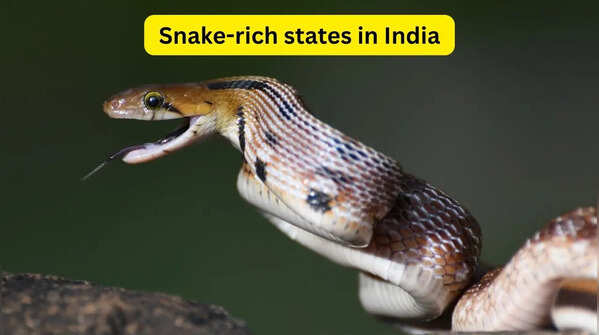
10 states with highest snake population in India and what every wildlife traveller should know about them
India is among the richest countries when it comes to snake diversity. Global scientists have documented over 300 species across the country, including king cobras and pit vipers. While there is no official government ranking as for “which state has the highest number of snakes,” biodiversity studies and zoological surveys identify a few Indian states as major snake hotspots because of their ecological diversity. For wildlife lovers and offbeat travellers, these Indian states offer an insight into the world’s most fascinating reptiles. But it is important to know that travelling in snake-rich regions requires knowledge about these species and proper awareness.
Let’s have a look at some of the snake-rich Indian states:
(Canva)
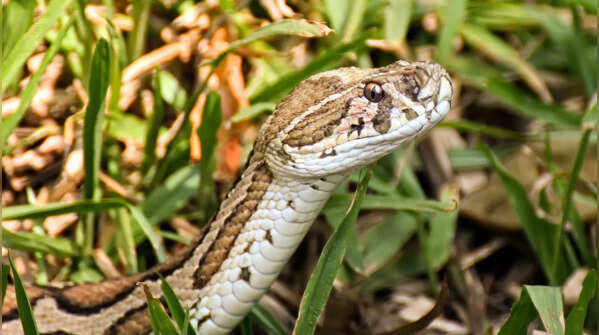
Kerala
Kerala is widely known as ‘India’s Snake Diversity Capital’. All thanks to the UNESCO-recognised Western Ghats which is a biodiversity hotspot. As per scientific studies, the Western Ghats have the highest concentration of endemic snakes in India. It is home to king cobras, Malabar pit vipers, bamboo pit vipers, Indian cobras and kraits, among others. The state is also known for being home to rare shieldtail snakes which are only found here.
For travellers, places including Wayanad, Thekkady, and Periyar, are the best to explore Kerala’s snakey side. It’s important to stay cautious, especially during the monsoon season between June and September. It is suggested to wear covered shoes during treks and avoid night walks.
(Canva)
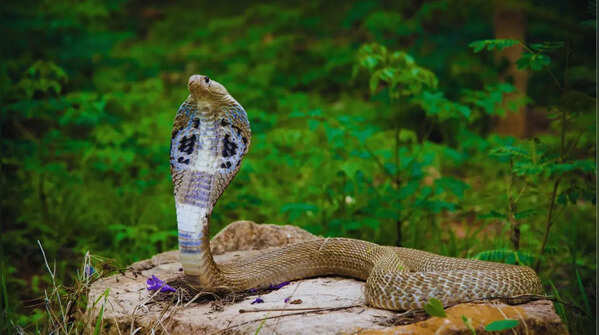
Karnataka
Do you know Karnataka is known as the “Cobra Capital of India”. The Western Ghats region here has reptile strongholds. The rainforest village of Agumbe is known as the “Cobra Capital of India” because of its unusually high king cobra population. In addition to king cobras, one can also spot vine snakes, pit vipers, coral snakes and rat snakes, among other endemic species.
It is advised not to walk alone or barefoot near forests, especially after it gets dark. Local guides are highly recommended.
(Canva)
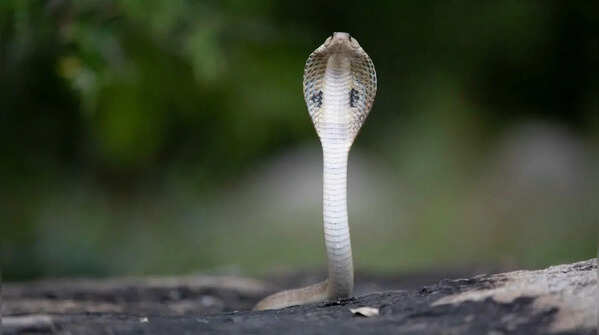
Maharashtra
Maharashtra’s Western Ghats, Konkan coast, and Deccan forests are known for their monsoon snake spotting. Cities like Mumbai and Pune witness thousands of snake rescues during the rainy season every year. It is easy to spot Indian cobras, Russell’s vipers, kraits and vine snakes here. Forest areas around Amboli, Tadoba, and the Sahyadris are known for their snake population.
While monsoon trekking in Maharashtra is quite a rage, travellers should stay alert while hiking through tall grass and rocky trails as deadly snakes often find shelter here.
(Canva)
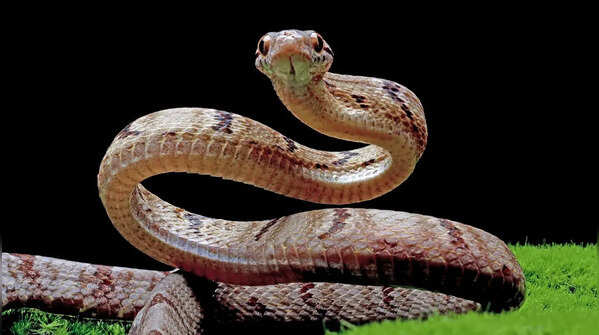
West Bengal
West Bengal is also a major snake hotspot because of its diverse landscape. A wide range of snakes are found here including cobras, kraits and Russell’s vipers, which are commonly recorded across the state. It is advisable not to wander into mangrove areas alone without proper guides as these regions can hide snakes beneath mud and vegetation.
(Canva)
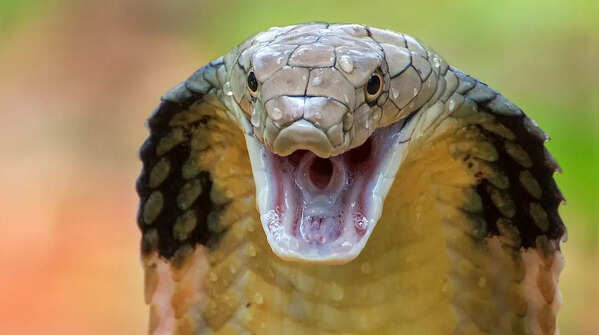
Assam
Assam is Northeast India’s snake wonderland for a reason. Being one of the most biologically diverse regions in the world, scientific snake surveys keep reporting new sightings of rare species. Places like Kaziranga, the Brahmaputra floodplains, wetlands, and forests are perfect snake hideouts. The state is known for its population of monocled cobras, king cobras, green pit vipers, kraits and pythons.
For travellers, Kaziranga, Manas National Park, and the forests around Guwahati offer incredible wildlife experiences beyond rhinos and elephants.
(Canva)
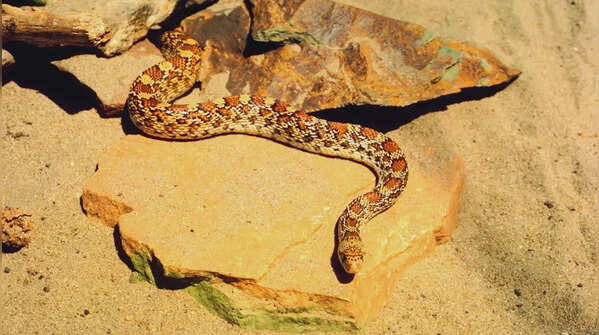
Tamil Nadu
Tamil Nadu is the perfect place where mountains meet reptiles. The state’s landscape ranges from the Nilgiris and Anaimalai Hills to forests and plains. Research in the southern Western Ghats has documented a number of snake species within relatively small forest zones.
The state is especially known for endemic snakes found in the Western Ghats, including shieldtail snakes, vine snakes, cat snakes, and pit vipers. The Irula community of Tamil Nadu is internationally recognised for its deep knowledge of snakes and venom extraction.
Travellers can explore snake-rich regions around Valparai, Mudumalai and Meghamalai, along with a local snake-expert guide. It is suggested that tourists should avoid photographing snakes at close range.
(Canva)
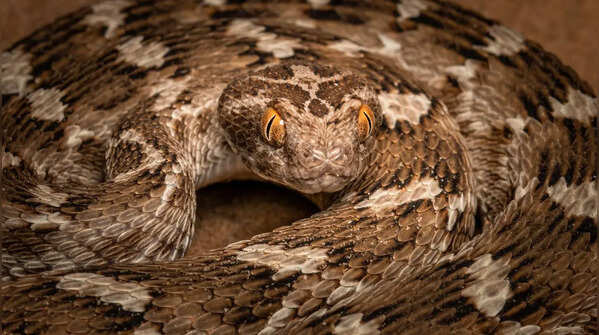
Meghalaya
Meghalaya is full of reptile life which is supported by humid forests and constant rainfall. Scientists continue to discover and document new reptile species here. The caves, forests, and bamboo groves offer a perfect home to pit vipers, keelbacks, and forest snakes.
Travellers visiting Meghalaya during the rainy season should avoid venturing alone in jungles or dense vegetation.
(Canva)
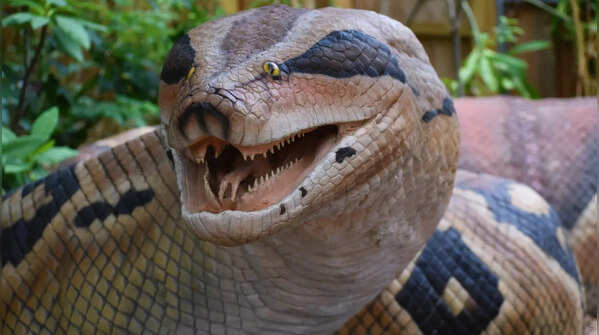
Odisha
Odisha is all about wetlands, forests, and coastal snake habitats. It is among India’s most important reptile-rich regions thanks to the mix of mangroves, forests, and coastal ecosystems. Similipal Biosphere Reserve, Satkosia Tiger Reserve, and Bhitarkanika National Park are known for being home to a rich variety of snakes including Indian cobras, kraits, Russell’s vipers, pythons, vine snakes, and keelbacks.
For travellers, Odisha offers a unique amalgam of wildlife and eco-tourism. It is suggested to avoid walking through mangrove trails alone. Always go with a local guide who knows the region well as snakes may be well hidden here.
(Canva)
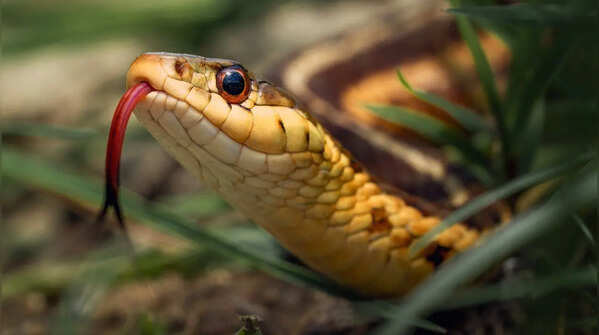
Uttarakhand
Uttarakhand also supports a significant number of snakes, especially in the Himalayan regions. The lower Himalayan forests, Rajaji National Park, Jim Corbett landscape, and Shivalik hills are known for being home to cobras, kraits, pit vipers, and Himalayan keelbacks.
Researchers have documented several high-altitude and forest-adapted reptile species in Uttarakhand. For travellers, places including Corbett, Mussoorie’s forests, and the Kumaon region often overlap with reptile habitats.
(Canva)
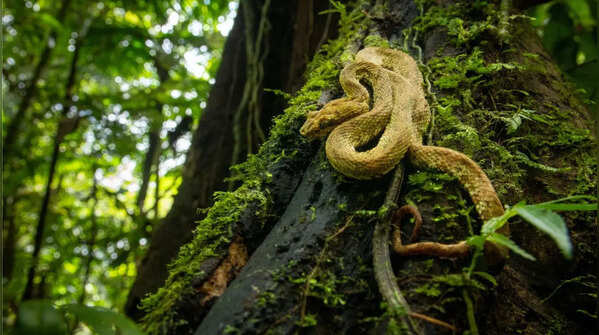
Uttar Pradesh
Uttar Pradesh’s river systems, agricultural fields, and grasslands make it one of North India’s major snake-rich states. Species commonly found here include Indian cobras, kraits, Russell’s vipers, rat snakes, and sand boas, among others. Snake sightings in Uttar Pradesh often increase during the summer and monsoon seasons when flooding and rising temperatures are experienced.
For travellers, wildlife destinations such as Dudhwa National Park, Katarniaghat Wildlife Sanctuary, and Chambal river landscapes provide perfect opportunities to explore reptile-rich regions.
(Canva)
Featured In lifestyle

MORE FROM ETIMES
life & style