
What happens when you eat 2 eggs daily

What happens when you eat 2 eggs daily
For years, eggs carried a nutrition halo and a nutrition warning label at the same time. They were praised as an easy protein source, then blamed for cholesterol, then slowly redeemed as the science around dietary cholesterol became more nuanced. That confusion is why the question “What happens if I eat two eggs every day?” still feels more loaded than it should. The truth is less dramatic but more interesting: for most healthy adults, two eggs a day can be a nutrient-dense, filling habit, especially when the rest of the plate is built sensibly. A large egg brings roughly 70 to 72 calories and about 6 grams of protein, along with nutrients such as choline, B vitamins, lutein and zeaxanthin, and a modest amount of saturated fat. The bigger issue is not the egg alone; it is what usually comes with it and how your own cholesterol, diabetes risk, and overall diet are already behaving. Scroll down to read more...
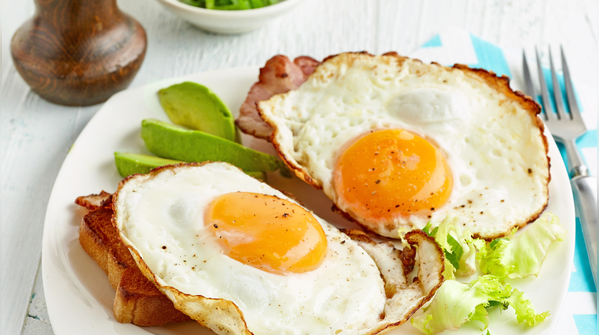
What two eggs give you
Two eggs are not a miracle food, but they are a very efficient one. In practical terms, that means a breakfast that can help keep you full for longer, steady your appetite, and add useful nutrients without taking up much room in your calorie budget. Eggs also deliver choline, which supports brain and nerve function, plus eye-friendly antioxidants like lutein and zeaxanthin. That is why eggs often feel more satisfying than a carb-heavy breakfast that looks bigger but fades faster. The protein is doing a lot of the heavy lifting here, and Harvard Health notes that protein-rich eggs can help increase fullness and reduce hunger signals.

What the first week usually feels like
In the first few days to first week, the change most people notice is not on a lab report. It is in how breakfast behaves. Two eggs can make the morning feel less frantic because they digest more slowly than a pastry, white toast, or a sugary cereal. That often means fewer mid-morning cravings and a better shot at reaching lunch without the snack parade starting early. If you replace a less filling breakfast with eggs, you may also notice that you simply eat less before noon, not because you are restricting yourself, but because you are more satisfied. That is a reasonable, evidence-based inference from the protein content and satiety effects of eggs.
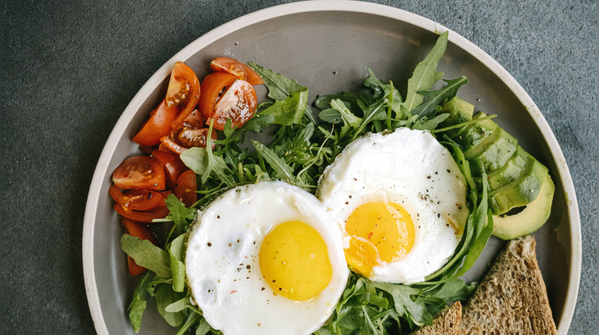
What the second and third week may bring
By the second and third week, the benefits are usually quieter but more consistent. If eggs have replaced a more processed breakfast, you may feel more stable energy, less post-meal sluggishness, and a better grip on overall calorie intake. If they are part of a wider pattern that includes vegetables, fruit, whole grains, and healthy fats, the eggs help anchor the meal instead of dominating it. This is where eggs tend to shine: not as a standalone hero, but as a reliable building block in a balanced routine. Mayo Clinic notes that the cholesterol in eggs does not seem to raise blood cholesterol the way trans fats and saturated fats do, and both Mayo and Harvard emphasize that what you eat with eggs matters a great deal.
The cholesterol question
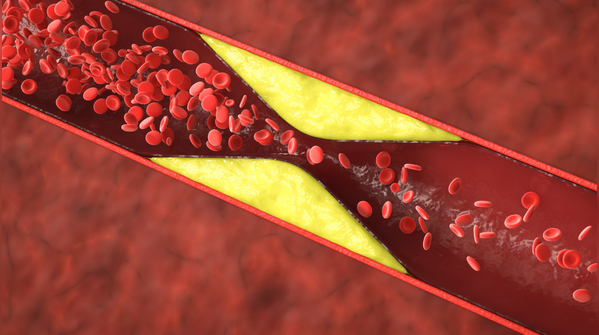
This is the part that still makes people nervous. One large egg has about 186 milligrams of cholesterol, and two eggs roughly double that amount, so the number looks intimidating on paper. But that is not the whole story. Current guidance has moved away from treating dietary cholesterol as the main villain; saturated fat and trans fat are the bigger culprits when it comes to raising blood cholesterol for many people. The American Heart Association and stress the importance of keeping blood cholesterol in a healthy range and limiting saturated fat, and Harvard Health notes that for most people, an egg a day does not harm heart health. Two eggs a day is a more ambitious habit than the old one-egg rule, but it can still fit into a heart-aware diet if the rest of the day is sensible.
What to pair them with
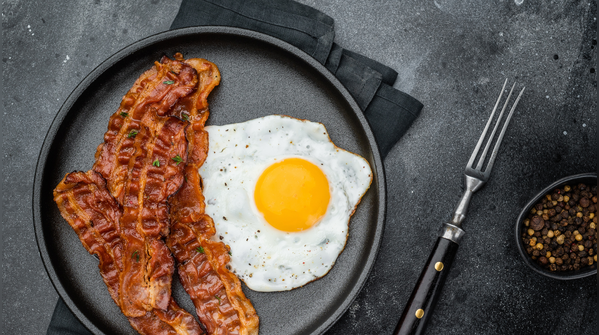
This is where eggs either stay elegant or become a problem. Pair them with vegetables, whole grains, and healthy fats, and they look like a smart meal. Pair them with bacon, sausage, butter, cheese, and refined bread, and suddenly the egg is no longer the main issue. A better plate might look like this: eggs with spinach and tomatoes; eggs with oats or whole-grain toast; eggs with avocado and beans; eggs folded into a vegetable scramble; or eggs served beside fruit instead of fried meat. Mayo Clinic specifically points out that the foods commonly eaten with eggs may contribute more to heart risk than the eggs themselves.
Who should be cautious
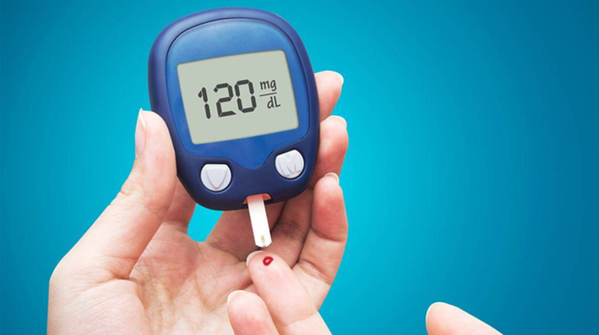
Not everyone should treat two eggs a day as an automatic green light. People with diabetes should be more careful, because some research has found a possible link between seven eggs a week and higher heart-disease risk in diabetes. People with high LDL cholesterol, a strong family history of cholesterol problems, or a clinician-advised low-cholesterol plan should also pay closer attention to the rest of their diet and to their own blood work. In other words, eggs are rarely the whole story; they are just one chapter in a much larger metabolic book.
Featured In Food

MORE FROM ETIMES
life & style