
5 money habits parents should start teaching from a young age

5 money habits parents should start teaching from a young age
Money is one of the first invisible lessons children absorb, long before they can name it. They watch adults swipe cards, count notes, compare prices, postpone purchases, and make quick decisions in shops. To a child, all of this can look like magic. Something appears, something disappears, and a parent seems to know how to make choices that keep the household running. But the habits behind those choices are not magic at all. They are patterns. And the earlier children begin to notice them, the more natural they become.
That is why money lessons work best when they are introduced early, gently, and in everyday life rather than in long lectures. Children do not need financial jargon. They need practical habits they can see, try, and repeat. Small lessons in childhood often become the blueprint for adulthood. A child who learns to wait, save, compare, and spend thoughtfully is already building a relationship with money that is steadier, calmer, and more confident than panic-driven habits learned later. The goal is not to raise a child obsessed with money. It is to raise one who understands its value, its limits, and its purpose. Scroll down for 5 money habits parents should start teaching from a young age.

Saving before spending
One of the most useful habits parents can teach early is that money does not have to be spent the moment it is received. Children are naturally drawn to instant reward, which makes saving a powerful lesson in self-control. A small piggy bank, a jar system, or even a clear envelope can help them realise that money accumulates over time.
The message is simple: not every coin is for immediate use. Some money is for later. When children save for a toy, a book, or a small treat, they begin to understand delay, discipline, and reward. They also learn that waiting does not mean missing out. Often, it means choosing better.
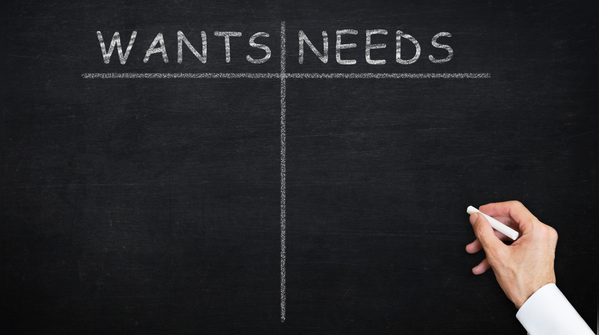
Distinguishing needs from wants
This is one of the earliest money lessons children can understand, and one of the most important. A snack after school may be a want. A school bag or a pair of shoes may be a need. The distinction teaches children that money has to serve different purposes, not just satisfy every passing desire.
Parents can reinforce this lesson in ordinary moments at the grocery store, in shopping malls, or while planning family purchases. When children hear the reasoning out loud, “We need this now, but we can wait for that”, they start to build a mental filter. That filter becomes useful later in life when temptations become much larger and the stakes much higher.

Counting and handling money
Before children can manage money, they need to become comfortable with it. That means letting them count coins, recognise notes, understand prices, and make simple exchanges. Handling money with their own hands makes it real.
A child who gives exact change for a small purchase is doing more than a math exercise. They are learning that money has structure. It comes in units, it adds up, and it runs out. This kind of early familiarity removes fear and confusion. It also builds confidence, because children begin to see themselves as capable participants rather than passive observers.

Waiting for value
Children are often drawn to the cheapest option because it feels immediate and accessible. But one of the best habits parents can teach is that value matters more than price alone. A cheaper item that breaks quickly may cost more in the long run than a slightly better one that lasts.
This lesson can begin very simply. Compare two toys, two lunch boxes, or two pairs of shoes. Ask which one lasts longer, which one is easier to use, and which one offers better value. Children do not need a lecture on consumer theory. They need repeated exposure to the idea that smart spending is not about buying the least expensive thing every time. It is about getting lasting value from what you buy.

Earning small amounts through effort
Even young children can begin to understand the connection between effort and reward. This does not mean paying them for every household responsibility. It means creating age-appropriate opportunities where they can earn small amounts through extra tasks, saved allowances, or goal-based rewards.
The lesson here is not just about money. It is about work, patience, and ownership. When children earn something, they tend to value it more. They spend more thoughtfully because they know what went into getting it. That connection can shape how they approach money for years to come.
Featured In lifestyle

