- News
- lifestyle
- travel
- destinations
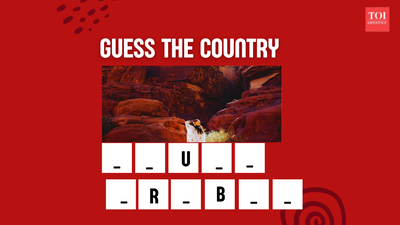
- Guess the county: A wealthy desert nation with no permanent rivers
Trending
Guess the county: A wealthy desert nation with no permanent rivers


About the AuthorTOI Lifestyle Desk
End of Article
Follow Us On Social Media
Health +
Tired of too many ads?go ad free now
lifestyle videos
Featured In Lifestyle

Tired of too many ads?go ad free now



Hot on the Web
Salman KhanSajid KhanTaylor SwiftKing CobraNew Year WishesNew Year Greeting CardBenjamin FranklinKarisma KapoorDementia RiskKaroline Leavitt Pregnancy NewsCanada Citizenship RulesYami GautamAmitabh BachchanTu Meri Main Tera Main Tera Tu MeriBha. Bha. Ba. CollectionUnreal AnimalsAvatar Box Office CollectionKis Kisko Pyaar Karoon 2 CollectionVinod KhannaMannara ChopraAristotleToni MorrisonDhurandhar Movie CollectionAkhanda 2 Full Movie CollectionAkshaye KhannaGeorge WashingtonTere Ishk Mein CollectionDhurandhar Movie ReviewBest Countries For RetirementAkhanda 2 Movie ReviewPulchritude WordAncient EgyptRice Bran Vs Sunflower OilWinter Solstice 2025Horn Ok PleaseElon Musk Net WorthMark Zuckerberg LessonsShimla TravelsMagnesium Deficiency SymptomsOptical illusionOzempic
Trending Topics
Latest MoviesBollywood MoviesHollywood MoviesTamil Movies 2025Telugu Movies 2025Malayalam Movies 2025Kannada Movies 2025Marathi Movies 2025Bengali Movies 2025Top Rated Movies 2025Best Hindi MoviesBest English MoviesBest Telugu MoviesBest Tamil MoviesBest Malayalam MoviesBest Kannada MoviesBest Bengali MoviesUpcoming Hindi MoviesBest Movies Of All TimeBest Hindi Movies of All TimeLatest English MoviesLatest Malayalam MoviesEnglish TV NewsTamil TV NewsTelugu TV NewsMalayalam TV NewsKannada TV NewsMovie ReviewsBhojpuri Cinema NewsGujarati Cinema News
Popular Categories
Viral NewsK Pop NewsWeb Series NewsAnime NewsUpcoming English MoviesUpcoming Tamil MoviesUpcoming Telugu MoviesUpcoming Malayalam MoviesUpcoming Kannada MoviesFashion TipsTravel NewsEntertainment NewsBollywood NewsTollywood NewsKollywood NewsMollywood NewsFood NewsLatest Hindi MoviesLatest Tamil MoviesParenting TipsHome RemediesWeight LossBeauty TipsParenting TipsHindi VideosHindi Video SongsBhojpuri Music VideosLatest Telugu MoviesBhojpuri Music VideoHindi TV News
Latest News
New arrivals, high prices & healthier options... What dominates sabha canteens this music seasonMumbai tops education department digitisation drive at 60%, several districts below 1%Vikramaditya Motwane's mother, Dipa De Motwane passes away; Aditi Rao Hydari shares heartfelt tribute: 'Farewell OG… Champion producer Tiger mom'Madhya Pradesh: Tiger found dead in Sagar Forest, state’s toll rises to 55‘Anaconda’ box office collection Day 4: Paul Rudd and Jack Blak starrer fails to reach Rs 5 crore mark amid 'Dhurandhar' and 'Avatar: Fire and Ash' takeoverMind-body Monday: A gentle check-in for the Monday that already feels heavyTech in 2026: The era of AI coworker and Connected Intelligence beckonsAnother upset and angry tech billionaire may leave America's 'tech capital' this weekSA20: Durban's Super Giants vs MI Cape Town washed out; both teams share pointsMonthly Lal Kitab Horoscope for January 2026: The spiritual tide turns, these zodiac signs will learn new lessons'We support him in what he's done': Australia coach Andrew McDonald backs under-fire MCG curator amid pitch controversyEk Deewane ki Deewaniyat' star Harshvardhan Rane to headline Ektaa R Kapoor’s crime film 'Shootout in Dubai' - Reports'Dhurandhar' actor Naveen Kaushik, aka Donga, is a proud cat dad to Adrak and ElaichiWatch: Scrap-laden truck breaks divider, overturns onto Bolero at Nainital highway crossing; UP power dept driver diesPavan Joshi shares cryptic post amid Kinjal Dave - Dhruvin Shah engagement: 'I want to be held by someone who never lets me go'‘Will pierce them with arrows’: UBT’s Anand Dubey hails Thackeray reunion; issues 'Congress-mukt Mumbai' warning‘Battle of Galwan’ teaser: Tehseen Poonawalla slams trolls criticizing Salman Khan’s expressions, says ‘that smile isn’t weakness, it’s acceptance’Stocks to buy: What's the outlook for Nifty for the week starting December 29, 2025? Check list of top stock recommendations