
- News
- entertainment
- hindi
- bollywood
- Gadar, Border, Masti; Bollywood sequels that turned one film into sequels
Gadar, Border, Masti; Bollywood sequels that turned one film into sequels

Border
'Border' stood complete in itself, shaped by restraint and sincerity rather than franchise ambition. Its sequel emerged decades later, driven by changing times and a renewed appetite for grounded war stories. What makes this evolution interesting is the tonal shift. Instead of repeating iconic moments, the continuation aims to explore emotional aftermath. It reflects how Bollywood sequels today often revisit classics not to replicate glory, but to reinterpret sacrifice through a modern lens.

Gadar: Ek Prem Katha
'Gadar: Ek Prem Katha' never planned a franchise, yet its emotional pull and thunderous popularity made a sequel inevitable. What began as a single love story set against Partition grew into a legacy fuelled by nostalgia. The sequel leans heavily on memory, proving how one film can embed itself so deeply in popular culture that returning to its world feels less like a reboot and more like reopening an old wound audiences never quite healed.

Golmaal: Fun Unlimited
The 'Golmaal' series began as a madcap comedy and quietly turned into one of Bollywood’s most reliable franchises. What’s fascinating is how each sequel reinvented the joke while keeping the spirit intact. From slapstick to supernatural twists, the films evolved with audience taste. Its success proves that sequels work best when they preserve character chemistry while allowing just enough reinvention to keep laughter feeling fresh.

Koi… Mil Gaya
'Koi… Mil Gaya' introduced emotion-driven science fiction, but *Krrish* transformed it into India’s first enduring superhero franchise. Each sequel expanded scale, technology, and ambition while holding onto its emotional core. The journey from a single experimental film to a full-fledged series reflects Bollywood’s growing confidence with genres once considered risky. It’s a reminder that sequels can also mark creative growth, not just commercial repetition.
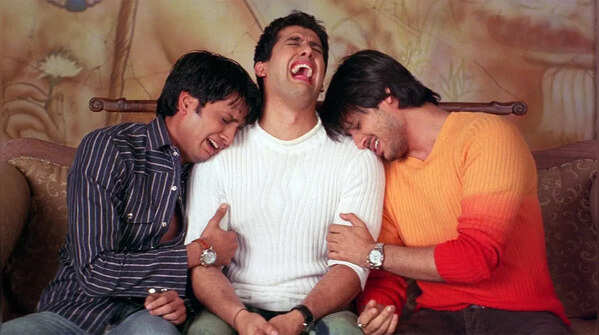
Masti
'Masti' is a rare case where excess became the formula. Its success lay in unapologetic adult humour, which naturally expanded into multiple sequels. Each instalment pushed boundaries further, embracing its reputation rather than softening it. The franchise shows how a simple, outrageous idea can grow through consistency of tone. Audiences returned not for novelty, but for familiarity, knowing exactly the brand of chaos they were signing up for every time.
Featured In entertainment

