
- News
- lifestyle
- travel
- things-to-do
- 5 Bangkok facts you probably didn’t know
5 Bangkok facts you probably didn’t know
5 Bangkok facts you probably didn’t know
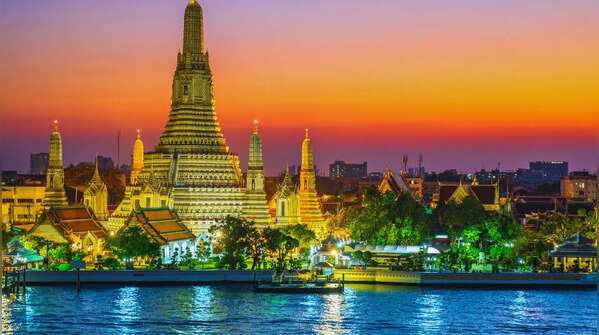
Bangkok is often introduced to the world through a familiar set of images: glowing temples, buzzing street markets, traffic-choked roads, and nights that stretch into dawn. Well, all true. But there’s a lot more too that you probably didn’t know. The city keeps reinventing itself, experimenting with urban design, culinary innovation, nightlife, and infrastructure in ways few capitals manage at such scale. For every well-known landmark, there are dozens of lesser-known stories hiding in canals, neighbourhoods, and everyday routines. Here are five things about Bangkok you probably didn’t know, each offering a deeper insight into one of Southeast Asia’s most endlessly fascinating cities.
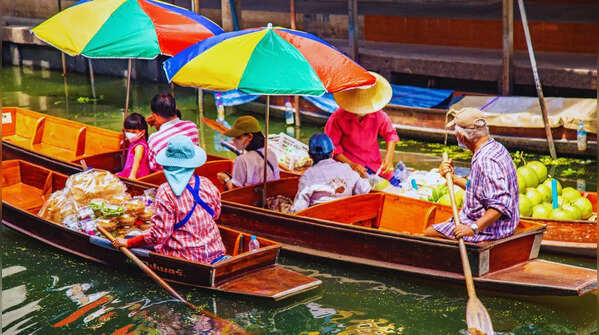
Bangkok was a city of canals, not roads
Long before traffic problems were even a thing, Bangkok was a city crisscrossed by an intricate network of canals known as khlongs. These were waterways that functioned as transport routes, markets, and neighbourhood lifelines. While many canals were later filled in to build roads, several still exist, especially in Thonburi. It’s a different world altogether.
The city’s real name is one of the longest in the world
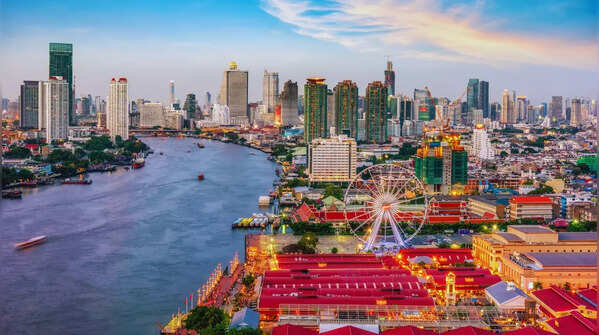
“Bangkok” is just a simplified international name. The city’s ceremonial Thai name is: Krung Thep Maha Nakhon Amon Rattanakosin Mahinthara Ayutthaya Mahadilok Phop Noppharat Ratchathani Burirom Udomratchaniwet Mahasathan Amon Phiman Awatan Sathit Sakkathattiya Witsanukam Prasit. Krung Thep Maha Nakhon Amon Rattanakosin. Translated, it describes the city as a divine, jewel-adorned capital protected by sacred powers. Most locals shorten it to Krung Thep, meaning “City of Angels,” a name you’ll hear more often than Bangkok itself.
Bangkok is slowly sinking
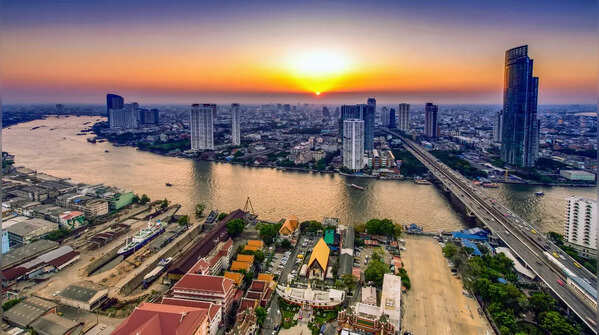
Bangkok is built on soft clay soil near the Gulf of Thailand, and the city is sinking by a few centimetres every year in some areas. Excessive groundwater extraction in the past worsened the problem, while rising sea levels add to the risk. To fight this problem, Thailand has invested heavily in flood barriers, drainage tunnels, elevated walkways, and water management systems.
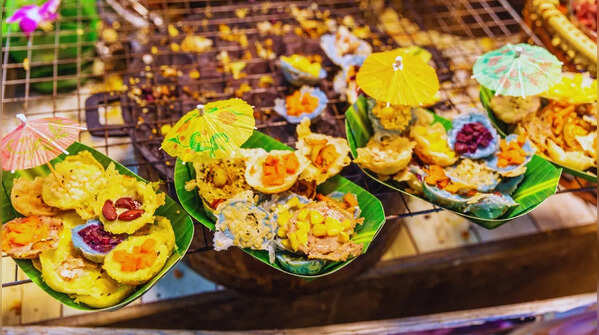
Street food is part of the city’s cultural identity
Bangkok’s street food isn’t just cheap or tasty, it’s culturally essential. Entire neighbourhoods revolve around stalls that operate for only a few hours a day, serving dishes perfected over generations. Despite attempts to regulate vendors, street food remains deeply protected by public demand. Some stalls have even earned Michelin recognition.
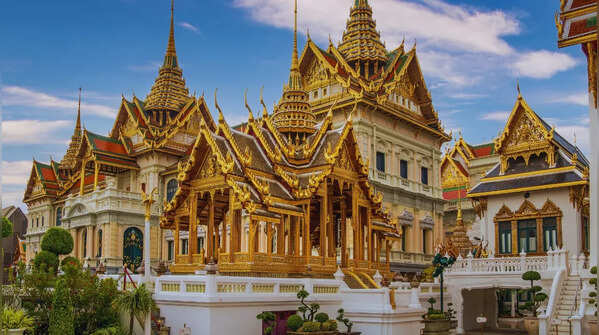
Temples in Bangkok are still living spaces
Temples in Bangkok are still living spaces
Unlike museum-like heritage sites elsewhere, Bangkok’s temples are active, lived-in spaces where monks reside, study, chant, and interact with the community daily. Here, temples serve as schools, shelters, meditation centres, and venues for life events. Early mornings and evenings are the best times to witness quiet rituals that tourists often miss during peak hours
Featured In lifestyle

MORE FROM ETIMES
life & style