
- News
- Health News
- High blood pressure may be damaging your brain: Doctors warn memory loss and stroke risks begin earlier than you think
High blood pressure may be damaging your brain: Doctors warn memory loss and stroke risks begin earlier than you think

High blood pressure is slowly affecting your brain
Most people hear the words “high blood pressure” and immediately think of heart attacks. Very few stop to think about the brain. Yet doctors now say that uncontrolled hypertension may quietly damage the brain for years before a person notices anything serious.
It starts subtly. Forgetting names more often. Feeling mentally slower. Struggling to focus during conversations. Misplacing things. Mood swings. These signs are easy to dismiss as stress, age, poor sleep, or burnout. But in many people, the real problem may be happening deep inside the blood vessels of the brain.
High blood pressure works in a similar way. Its damage is often silent at first, but the long-term effects can stay for years.
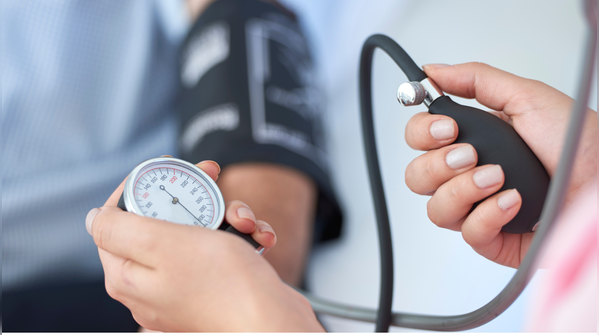
The brain depends on tiny blood vessels every second
The brain uses nearly 20% of the body’s oxygen supply. To function properly, it relies on a constant and smooth blood flow through delicate blood vessels. When blood pressure remains high for months or years, these vessels slowly become stiff, narrow, and damaged.
Dr Praveen Gupta, Chairman – Neurosciences, MAIINS, Marengo Asia Hospitals, Gurugram, explains, “Continuous hypertension gradually damages the minute blood vessels that supply the brain, and this damage could affect your memory, balance, concentration, decision-making ability, and other aspects of cognitive function.”
This process does not happen overnight. That is what makes hypertension dangerous. The damage builds silently, often without headaches or obvious symptoms.
Research backed by the US National Institutes of Health (NIH) has also shown that hypertension is linked with cognitive decline and dementia-related changes in the brain.
The “silent brain injury” many people never notice
One of the most worrying effects of hypertension is something neurologists call silent brain injury. These are tiny areas of damage in the brain caused by poor blood flow, microbleeds, or injury to white matter tissues.
Dr Gupta says, “In a number of patients, doctors discover such a phenomenon as ‘silent brain injury,’ including small vessel lesions, microbleeds, and white matter injuries even before a stroke happens.”
That means a person may feel “mostly fine” while the brain is already under stress.
Over time, this can affect memory, thinking speed, emotional control, and even walking balance. Several studies have linked long-term hypertension with a higher risk of vascular dementia and faster cognitive decline.
A major NIH-supported study called SPRINT-MIND found that controlling blood pressure more aggressively reduced the risk of mild cognitive impairment, which is often an early warning sign of dementia.
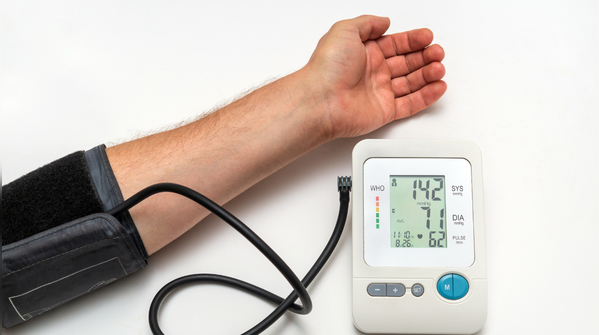
Why high blood pressure raises stroke risk so sharply
Stroke remains one of the clearest and most dangerous links between hypertension and brain damage.
Dr Vivek Barun, Sr Consultant, Epilepsy & Neurology, Artemis Hospitals, says, “Stroke is the biggest risk of high blood pressure. High blood pressure damages blood vessels and makes them more prone to burst and become blocked.”
There are two major types of strokes. In ischemic stroke, a blood vessel supplying the brain gets blocked. In hemorrhagic stroke, a weakened vessel bursts and bleeds into the brain. Both can permanently damage speech, movement, memory, and personality.
What makes hypertension especially dangerous is that it also causes tiny “silent strokes” that many people never realise they had.
Dr Barun explains, “Patients may start to have minor symptoms like forgetfulness, difficulty concentrating, slower thinking and mood changes. These signs are often missed but may presage early brain involvement.”
This is why neurologists are now treating hypertension not only as a heart problem, but as a major brain-health issue too.

Why modern lifestyles are making the problem worse
Doctors say today’s lifestyles are quietly fuelling the hypertension epidemic. Excess salt intake, poor sleep, long sitting hours, stress, smoking, alcohol use, obesity, and lack of exercise all increase pressure on blood vessels.
Even constant mental stress can keep the body in a prolonged “fight or flight” mode, increasing blood pressure over time.
The worrying part is that hypertension no longer affects only older adults. Younger professionals in their 30s and 40s are increasingly being diagnosed with elevated blood pressure due to stressful routines and unhealthy eating habits.
Protecting the brain starts earlier than most people think
The good news is that the brain can benefit greatly when blood pressure is controlled early.
Dr Barun says, “The good news is that by controlling blood pressure, you can dramatically reduce those risks.”
Doctors recommend regular blood pressure monitoring, especially after the age of 30 or in people with a family history of hypertension.
Simple daily changes matter more than dramatic short-term fixes:
Reduce excess salt and packaged foods
Walk or exercise regularly
Sleep properly
Manage stress consistently
Avoid smoking
Limit alcohol intake
Take prescribed medicines regularly
Dr Gupta adds, “Taking care of your blood vessels nowadays means taking care of your brain in the future.”
That may be the most important message of all. High blood pressure is not only about preventing a heart attack years later. It is also about protecting memory, clarity, independence, and quality of life.
Medical experts consulted
This article includes expert inputs shared with TOI Health by:
Dr Praveen Gupta, Chairman – Neurosciences, MAIINS, Marengo Asia Hospitals, Gurugram.
Dr Vivek Barun, Sr Consultant, Epilepsy & Neurology, Artemis Hospitals.
Inputs were used to explain how uncontrolled high blood pressure may silently damage the brain over time, increasing the risk of memory loss, stroke, cognitive decline, and other neurological complications beyond its well-known impact on heart health.
Featured In Health

