
Idli vs Dhokla: Which is more nutritious for summer breakfast
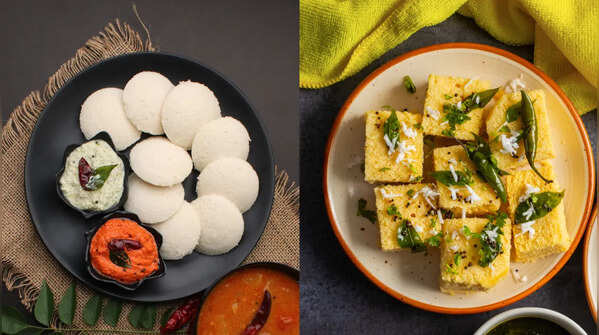
Which steamed dish is perfect for summer breakfast
We have always heard that breakfast is the most important meal of the day and hence, it is crucial to pick the right food that can help provide energy, improve digestion, and keep the body active throughout the morning. Among traditional Indian breakfast options, Idli and Dhokla are considered two of the healthiest choices. After all, both are steamed and loved by people of all age groups. While idli is mostly served with sambar and chutney on the side, dhokla is traditionally enjoyed with a tadka of oil, mustard seeds, green chilies, and curry leaves. Although idli and dhokla may appear similar because they are both soft and steamed foods, their ingredients and nutritional profiles are quite different. So, let us find out which is more nutritious for breakfast.
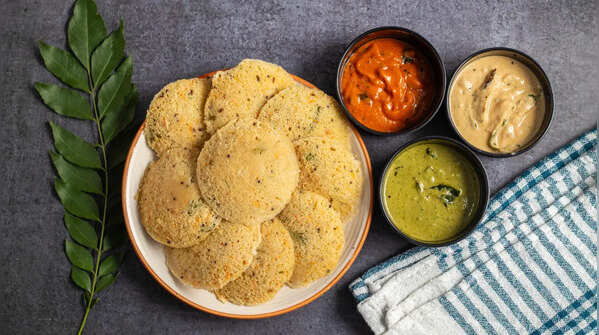
Nutritional value of Idli
A serving of 2 medium idlis offers 130–150 calories, 4-5 g protein, 28-30 g carbs, and 1-2 g fat. 2 g fiber, 15-20 mg calcium and 0.5-1 mg iron.
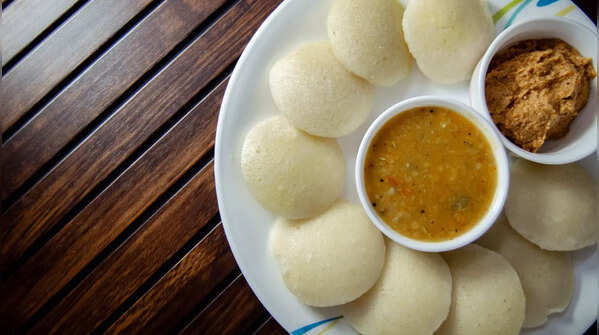
Benefits of idli
According to experts, traditionally made with fermented rice and urad dal batter, it is an easy-to-digest dish that uses zero oil, making it low in fat, soft in texture and gentle on the stomach. The urad dal provides protein, while steaming keeps the calorie content low. It also provides carbohydrates for energy and makes for a light breakfast.
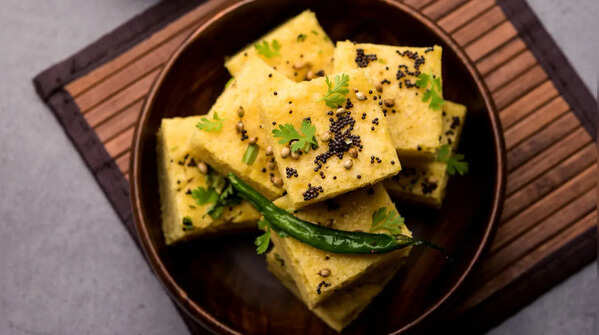
Nutritiona value of Dhokla
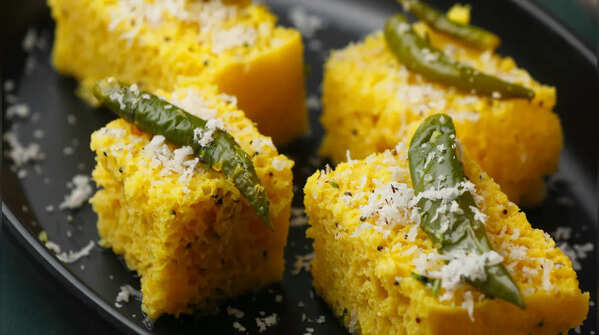
A serving of 2 medium dhoklas offer 160-180 calories, 6-8 g protein, 18-22 g carbs, 4-6 g fat, 3-4 g fiber, 20-25 mg calcium, and 1-15 mg iron
Benefits of Dhokla
Dhokla on the other hand is made with gram flour (besan) or fermented rice and lentil batter. It is rich in protein and fiber because of the chickpea flour used in preparation. It is proven that it contains fewer carbohydrates compared to idli, which may help keep you full for longer. However, it is rich in iron and folate gained through besan and is suitable for weight-conscious diets.
Which is more nutritious
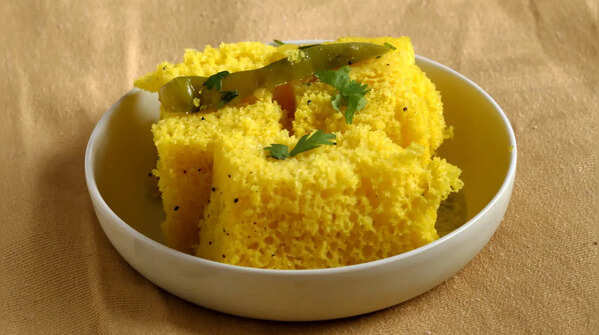
The best thing about both the dishes is that they don't use oil, which makes them light and easy. If you are looking for a lighter and easily digestible breakfast, idli is an excellent option. However, if you are looking for higher protein and fiber content, dhokla may be slightly more nutritious. It is said that dhokla can keep you full for longer compared to idli. But at the same time, idli is often gentler on digestion. In a nutshell, both are healthy breakfast choices when prepared the traditional way and are devoid of excess tadka or tempering, served with nutritious sides like chutney or sambar.
Featured In Food

MORE FROM ETIMES
life & style