
- News
- Health News
- 7 cardiologist-recommended summer diet tips for a stronger, healthier heart
7 cardiologist-recommended summer diet tips for a stronger, healthier heart

When the weather gets hotter, the heart works harder
Most people associate heart health with exercise, cholesterol levels, and smoking. Few think about temperature. But the human body constantly works to maintain a stable internal temperature, and during summer this process becomes more demanding.
The heart pumps more blood toward the skin to help release heat. At the same time, sweating causes the loss of fluids and essential minerals. When these losses are not replaced properly, blood volume can fall, forcing the heart to work harder.
We spoke to Dr S.K. Agarwal, Sr. Consultant Cardiologist, Kailash Hospital, Noida, who explained, "People are often surprised to learn that summer heat can quietly challenge heart health. When temperatures rise, our bodies lose more water and salts through sweat, appetites shift, and convenience becomes tempting, usually in the form of high-sodium, processed foods. Dehydration, excess salt and altered eating patterns increase the heart’s workload, so taking simple, practical precautions during the warmer months is important."
The good news is that many of these challenges can be managed with thoughtful food choices.

Hydration is not just about drinking water
People often wait until they feel thirsty before reaching for water. Cardiologists say that thirst is not always the best indicator of hydration, especially during intense heat.
According to the US Centers for Disease Control and Prevention (CDC), dehydration can increase cardiovascular strain and affect the body's ability to regulate temperature. The CDC recommends regular fluid intake throughout the day, particularly during hot weather.
Dr Agarwal said, "Dehydration reduces blood volume, forcing the heart to work harder to deliver oxygen and nutrients. Sip water steadily throughout the day rather than waiting until you feel very thirsty."
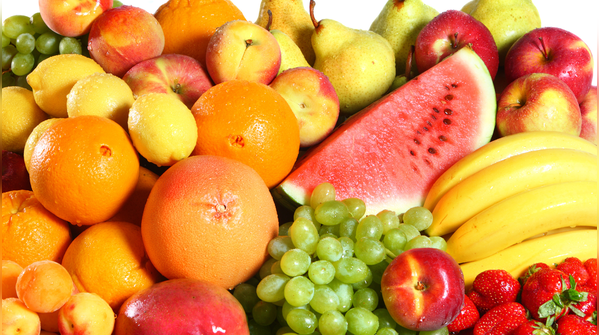
Water-rich foods can also help. Watermelon, cucumber, tomatoes, oranges, muskmelon and strawberries provide both hydration and nutrients. Unlike sugary beverages, they deliver fluids without adding excessive calories.
Why seasonal fruits and vegetables are summer's best medicine
Summer markets are filled with colourful produce, and cardiologists believe nature's timing is not accidental.
Fresh fruits and vegetables contain antioxidants, potassium, fibre and phytochemicals that support healthy blood vessels and reduce inflammation. Potassium is particularly important because it helps balance sodium levels in the body, which can support healthy blood pressure.
Research supported by the US National Institutes of Health (NIH) has consistently shown that diets rich in fruits and vegetables are associated with lower cardiovascular disease risk.
Dr Agarwal recommended, "Summer offers an abundance of fruits and vegetables that benefit the heart: berries, peaches, melons, leafy greens, bell peppers and tomatoes are rich in vitamins, minerals, fiber and antioxidants. These nutrients reduce inflammation and support healthy blood vessels."
A useful summer habit is to make fruits and vegetables occupy at least half of every meal plate. It is a simple visual rule that naturally improves nutrient intake.
The protein swap that can protect your arteries
Many people focus on how much protein they consume. Cardiologists are often more interested in where that protein comes from.
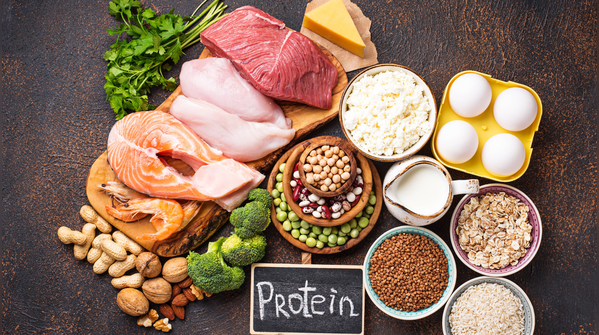
Processed meats and fatty cuts of red meat can increase intake of saturated fat and sodium. In contrast, fish, lentils, beans, chickpeas, tofu and low-fat dairy provide protein while supporting cardiovascular health.
"Protein supports energy and muscle repair, but the source matters for heart health. Opt for skinless poultry, fatty fish, beans, lentils, tofu and low-fat dairy," said Dr Agarwal.
Fatty fish contain omega-3 fatty acids, which have been linked to lower triglyceride levels and reduced inflammation.
One of the easiest summer meal upgrades is replacing a heavy meat-based lunch with a chickpea salad, grilled vegetables, or a lentil-based dish. Such changes often leave people feeling lighter and more energetic in hot weather.
The hidden danger of salty summer snacking
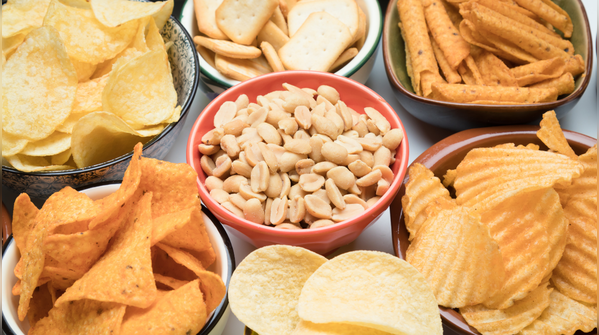
Hot afternoons often bring cravings for packaged snacks, chips, instant foods and fast food meals. Unfortunately, many of these foods contain large amounts of sodium.
Excess sodium intake is closely linked to high blood pressure, one of the leading risk factors for heart disease and stroke.
The World Health Organization (WHO) recommends limiting sodium intake to reduce cardiovascular risk.
Dr Agarwal warned, "Hot weather often nudges us toward convenience foods that are high in sodium and unhealthy fats. Excess salt raises blood pressure, a major heart-disease risk."
Instead of reaching for packaged snacks, he suggests alternatives such as unsalted nuts, air-popped popcorn and homemade baked vegetable chips. Fresh herbs, lemon juice, garlic and spices can also add flavour without relying on excess salt.
Not all fats are the enemy
For years, dietary fat carried a bad reputation. Modern research paints a more nuanced picture.
The real issue is the type of fat being consumed.
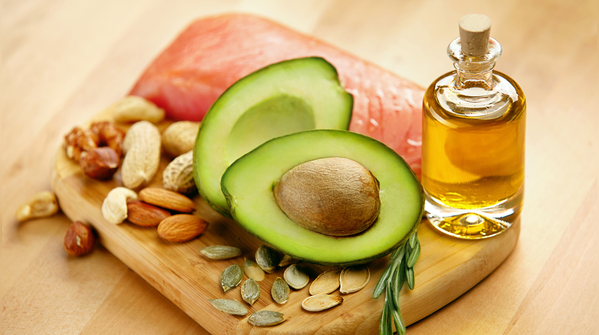
Unsaturated fats found in olive oil, avocados, nuts and seeds are associated with healthier cholesterol levels and improved heart health. Trans fats and excessive saturated fats, on the other hand, can contribute to plaque buildup in arteries.
Dr Agarwal advised, "Replace saturated and trans fats with unsaturated fats from olive oil, avocados, nuts and seeds. These fats help maintain healthy cholesterol levels and lower inflammation."
A handful of almonds, a spoonful of flaxseed added to yogurt, or olive oil-based salad dressing may seem like small choices, but over time they can contribute to better cardiovascular outcomes.

Summer treats do not need to be a guilty pleasure
Ice creams, sugary drinks and frozen desserts are often part of summer memories. Cardiologists do not suggest eliminating them entirely. The focus is moderation.
"Enjoy summer treats, but with attention to portion size. Ice cream, frozen drinks and sugary smoothies can add excess calories and sugar," says Dr Agarwal.
Healthier alternatives include fruit sorbets, frozen yogurt topped with berries, or smoothies prepared with fresh fruit and low-fat milk.
Summer indulgence becomes less harmful when it is balanced with nutrient-rich foods throughout the day.
The simplest heart-healthy meals are often the best
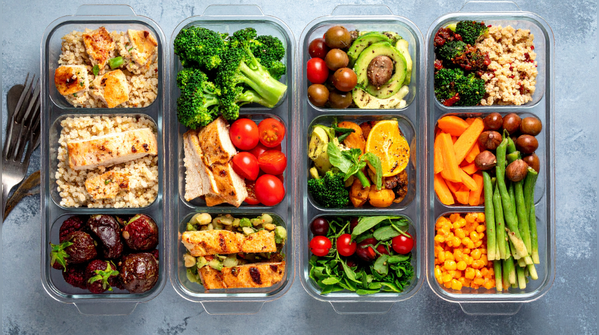
One reason unhealthy eating increases during summer is that people do not want to spend hours in a hot kitchen.
Cardiologists encourage simple meals rather than elaborate diets.
"Heat can sap energy and make long cooking sessions unappealing, which risks poor food choices. Prepare no-cook or low-heat meals, salads with beans or quinoa, chilled soups such as gazpacho, or quickly grilled fish and vegetables," said Dr Agarwal.
Keeping healthy snacks nearby can also prevent impulsive food choices. Fresh fruit, carrot sticks with hummus, roasted chickpeas and unsalted nuts are practical examples.
For people living with hypertension, heart disease, high cholesterol or those taking medications, Dr Agarwal recommends seeking personalised guidance before making major dietary changes.
What should be the takeaway here?
Heart health is often thought of as a lifelong project, but summer reminds people that even seasons matter. Rising temperatures can quietly increase the heart's workload, making hydration, nutrition and food quality more important than ever.
The healthiest summer diet is not based on expensive superfoods or complicated meal plans. It revolves around water, seasonal produce, lean proteins, healthy fats and mindful eating habits.
As Dr Agarwal puts it, "Small, steady changes matter. By staying well hydrated, choosing fresh seasonal foods, favouring lean proteins and healthy fats, and cutting down on salt and processed items, you can enjoy summer while protecting your heart."
Medical experts consulted
This article includes expert inputs shared with TOI Health by:
Dr S.K. Agarwal, Sr. Consultant Cardiologist, Kailash Hospital, Noida.
Inputs were used to highlight cardiologist-recommended dietary habits for the summer season, explaining how smart food choices, proper hydration, and heart-friendly nutrition can help maintain cardiovascular health and reduce seasonal strain on the heart.
Featured In Health

