
- News
- City News
- patna News
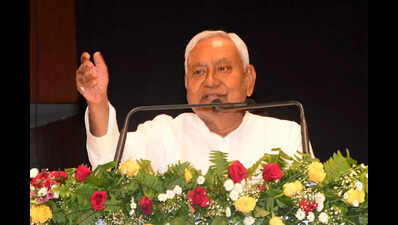
- NDA partners rally behind chief minister Nitish Kumar
Trending

NDA partners in Patna unanimously endorsed CM Nitish Kumar as their central campaign face for the upcoming assembly elections. They emphasized that Kumar's women's empowerment schemes, including increased widow pensions and support for women-led businesses, would secure a resounding victory.

About the Author
Abhay SinghEnd of Article
Follow Us On Social Media








Hot Picks
Top Trending
Explore Every Corner
Across The Globe
IND vs PAK HighlightsShedeur SandersRicky Hatton Cause of DeathCharlie Kirk CousinPatrick MahomesWho is Tyler RobinsonMark CarneyCharlie Kirk AssassinationTaylor SwiftCharlie Kirk NFL TributeWho is Anastasia CaseyWayne GretzkyDonald TrumpJJ McCarthyPM Modi West Bengal VisitIndian Men BeheadedKash PatelDaylight Saving TimeCharlie Kirk murderSolar Eclipse 2025ITR filing 2025School Holidays SeptemberHannah EinbinderHyderabad rainAssaf bin YoushaRajasthan MonsoonRiyadh SeasonIndia Russia TradeCharlie Kirk FarewellEU Moscow Trade
Hot on the Web
Heart AttackLongevityEngineer’s Day 2025Blind SnakesPrediabetes SymptomsAnnual Emmy Awards 2025Blood SugarThings That Attract SnakesKidney ProblemsVegetables for CholesterolCharlie Kirk Net Worth77th Annual Emmy Awards Winners ListUrine Serious Diseases CluesSoha Ali KhanFish Oil SupplementsPublic Hand DryersBaking Soda Water For HealthLiver Detox FoodsHigh Blood Pressure SymptomsKidney HealthHeart HealthHealth Issues Indication on NailsPrediabetes SymptomsBlood PressurePest Control TipsFatty Liver SymptomsVitamin D DeficiencyThe Bengal Files Box Office CollectionParesh RawalBaaghi 4 Box Office CollectionDon't Use Public Hand DryersPink Guava Vs White GuavaCross River GorillaIdeal Weight For Your HeightBaking Soda Water For HealthTrick To Improve SleepThroat Cancer SymptomsNano Banana TrendYellow Stains On PillowsOvarian Cancer SymptomsTips To Keep Chapatis Soft
Trending Topics
Rashid LatifSuryakumar YadavIND vs PAK Players HandshakeIndia Cricket Dressing RoomIND vs PAK Asia CupShoaib AkhtarIND vs PAK MatchBihar NEET UGSyed KirmaniIND vs AUS SquadMP Police Constable RegistrationCanada PM Mark CarneyEngineer Day 2025H1B VisaSunil GavaskarWasim AkramAja WilsonMCC NEET UG CounsellingKamran AkmalPM Modi West Bengal VisitChandra Mouli NagamallaiahMumbai Monorail NewsJadavpur Student MurderBengaluru Yellow Line MetroMumbai RainGurgaon Rapido Autorickshaw NewsJewar Airport NewsUP Newborn Buried AliveGwalior MurderPuja Khedkar CaseDelhi BMW AccidentAndy JassyiPhone 17Create AI Avatars OnlineSam AltmanSolar EclipseCharlie Kirk Shooting VideoSatya NadellaNano Banana AiSolar Eclipse 2025Wordle TodayNyt Connections
Popular Categories
HeadlinesSports NewsBusiness NewsIndia NewsWorld NewsBollywood NewsHealth+ TipsIndian TV ShowsTechnologyTravelEtimesHealth & FitnessDelhi Gold Rate TodayNumerology Number 1 HoroscopeChinese Horoscope PredictionsAstrologyWeather TodayPlatinum Rate TodaySilver Rate TodayGold Rate TodayIs Bank open todayIs Bank Open TomorrowBank Holidays in SeptemberPublic Holidays in SeptemberStock Market HolidaysNFL ScheduleTechnology NewsInternational SportsPublic HolidaysBank Holidays
Trending Videos
Kartik Aaryan spotted at an event in KolkataIndia Crush Pakistan In Asia Cup, Manipur Peace Talks, ITR Filing Deadline And MoreSupreme Court Stays Key Provisions Of Waqf Amendment Act, Refuses To Suspend Other ProposalsTrump Lambasts NATO Partners Over 'Two-Faced' Stance On RussiaUS Strikes On Mainland Venezuela Next? Trump Hints At Big Action Amid TensionsSweeney, Ortega Wow On 77th Emmy Red Carpet; Selena & Benny Turn HeadsKaitlan Collins Blasts Trump: Misinformation on Kirk Shooter ExposedDMK MP Kanimozhi's Big Attack On BJP MP Anurag Thakur Over 'Hanuman Ji First To Go To Space' Remarks‘Qatar Great Ally, Be Very Careful’: Donald Trump Blasts Netanyahu After Israel’s Doha StrikeFinance Ministry Official Killed, Wife Injured After BMW Hits Motorcycle In Delhi's Dhaula Kuan‘Polish Drone Incident A NATO Hoax, Staged To Pressure Russia’: Sensational New Claim'Time For Being Soft Is Over': Donald Trump Reacts To Indian Man's Beheading In Dallas; Vows ActionKaroline Leavitt Chokes Up In Moving Tribute To Charlie Kirk At DC Prayer MeetSuryakumar Yadav Dedicates Win Over Pakistan To Pahalgam Attack Victims, Honours Armed ForcesSuryakumar Yadav statement on Pahalgam to handshake drama: How India HUMILIATED Pakistan‘Prosecute Israeli Leaders’: Hamas Sends Urgent Warning To Arab World; Big Action Looms?Qatar To Unleash Missiles On Israel With Iran's Help? MP Tells Arab Emir To 'Request IRGC Shield'Maduro’s Trump Card: Venezuelans ‘Train For War’ | ‘If U.S. Troops Invade, They Won’t Leave’
Latest News
Who is Amy Cole? Everything to know about Stephen Colbert's late colleague after the 2025 Emmy Awards tributeAman Sehrawat disqualified from World Championships for being overweightWho are Bob Vylan? British punk-rap duo mocks Charlie Kirk’s assassination, calls him a piece of s***Soha Ali Khan says father Mansoor Ali Khan saw many losses in life despite coming from privilege: 'Lost his father at 11, eye, land, homes..'Aamir Khan on playing Munna from 'Rangeela': I’m 60 now—to play a 24-year-old with the same freshness is difficult- ExclusiveWhat happened to Amy Cole? Stephen Colbert gets emotional remembering his deceased 'The Late Show' colleague at EmmysSafeguarding The World Within us'This is some Popatwadi team': Sunil Gavaskar blasts Pakistan after India humiliate them in Asia CupIndian refiners jumping at chance: How Ukraine attacks on Russia’s refineries are indirectly benefiting India’s crude buys - explained'Ustaad Bhagat Singh': Pawan Kalyan wraps cop action drama shoot; Raashii Khanna clicks 'wrap up' selfieIs God Really a Creator?Donald Trump expected to extend TikTok deadline again, fourth time since JanuaryMP Police Constable registration window 2025 opens: Direct link to apply for 7500 vacancies hereSplitsvilla X6 first teaser comes out; fans hope to see Elvish Yadav join Sunny Leone as hostGirls are a liability and goats and cows assets. This mindset is changingDid BJP minister Jibesh Mishra assault journalist over question on road? Tejashwi Yadav presents video proof; demands FIRKerala: Leaders’ suicides put Congress's Wayanad unit on backfoot; CPM ups pressureAction is just another form of dialogue: Andy Long
Copyright © 2025 Bennett, Coleman & Co. Ltd. All rights reserved. For reprint rights: Times Syndication Service