
- News
- City News
- delhi News
- India’s 1st Ring Metro Inaugurated in Delhi: All You Need To Know
India’s 1st Ring Metro Inaugurated in Delhi: All You Need To Know
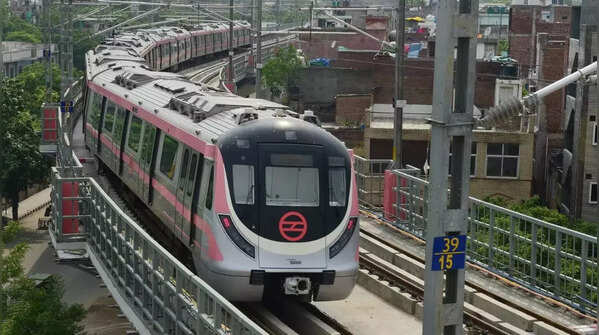
Delhi gets India’s first Ring Metro
Delhi Metro’s Pink Line has now become the country’s first operational Ring Metro after the inauguration of the Majlis Park–Maujpur-Babarpur section. The new stretch completes a loop around large parts of the national capital, allowing commuters to travel across multiple parts of the city without needing to enter the central interchange stations.
Rs 33,500 crore development push for Delhi
Prime Minister Narendra Modi inaugurated and laid the foundation stones for development projects worth around Rs 33,500 crore in the national capital. The projects include new metro corridors, housing redevelopment and major infrastructure upgrades aimed at improving connectivity and urban infrastructure in Delhi.

Two new metro corridors to be inaugurated
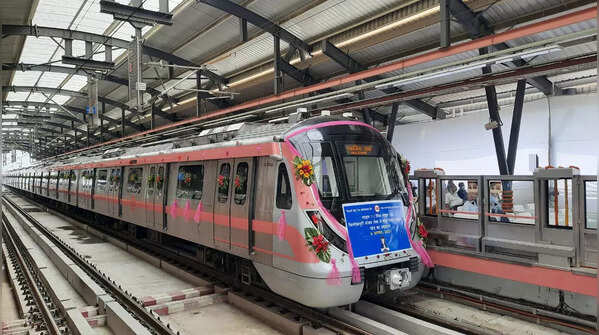
The prime minister inaugurated two key corridors of the Delhi Metro — the Majlis Park–Maujpur-Babarpur stretch of the Pink Line and the Deepali Chowk–Majlis Park extension of the Magenta Line. These additions are expected to strengthen connectivity across several parts of the capital.
Pink Line extension strengthens north–east Delhi connectivity
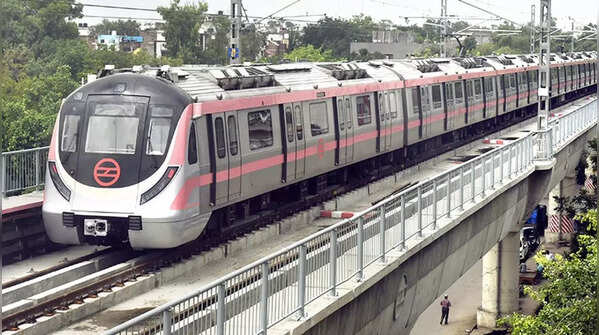
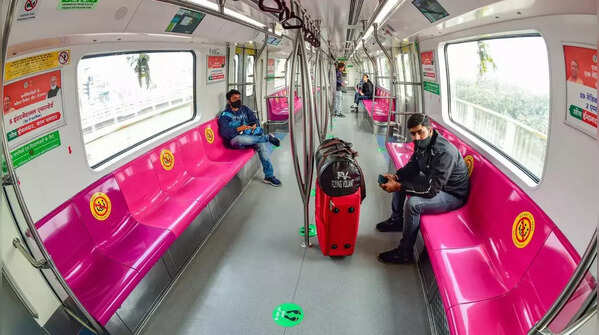
The 12.3-km Majlis Park–Maujpur-Babarpur corridor includes eight elevated stations and forms part of the existing Pink Line. With this extension, the line will span about 71.5 km, making Delhi home to the country’s first fully operational Ring Metro network.
Major engineering feat over the Yamuna
Construction of the Majlis Park–Maujpur corridor involved building a new bridge over the Yamuna River along with a double-decker viaduct carrying both a metro track and a flyover. The structure will become the fifth metro bridge built across the river in Delhi.

Three new metro corridors under Phase V-A
The prime minister also laid the foundation stone for three new metro corridors under Phase V-A of the expansion plan. These corridors together cover about 16.1 km and aim to further expand Delhi’s metro network.
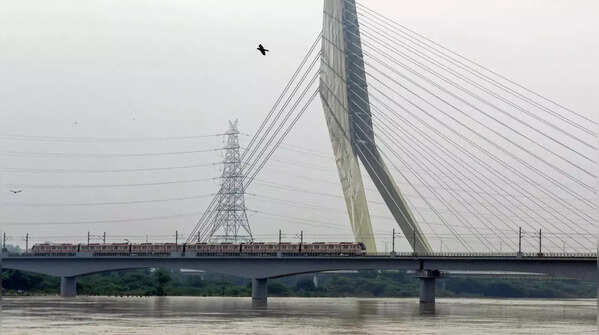
Bridge and double-decker viaduct built over Yamuna
The construction of this corridor involved major engineering work, including a new bridge across the Yamuna River and a double-decker viaduct carrying both a metro track and a road flyover.
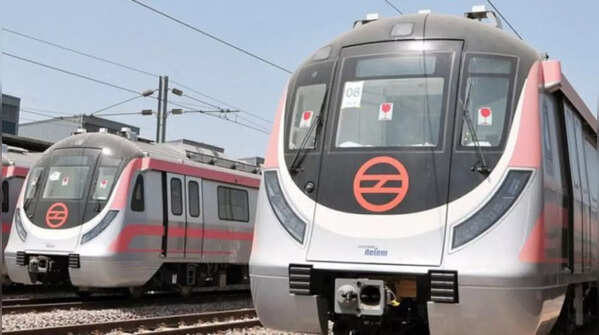
Pink Line network expands to over 70 km
With the addition of the new stretch, the Pink Line network now spans about 71.5 kilometres. The looped alignment enables passengers to travel between multiple metro corridors with fewer transfers.
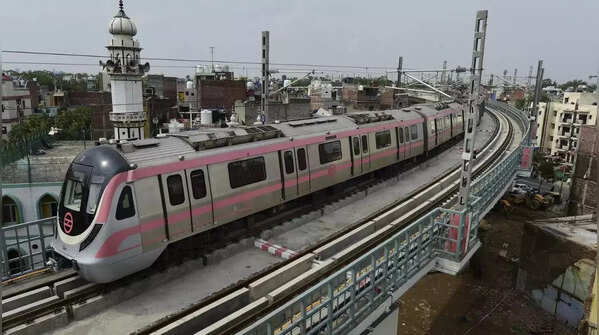
Better connectivity for north and east Delhi
The corridor will benefit residents in areas such as Burari, Jagatpur-Wazirabad, Khajuri Khas, Bhajanpura and Yamuna Vihar. Commuters from these neighbourhoods will now get faster metro access to other parts of the capital without relying heavily on road transport.
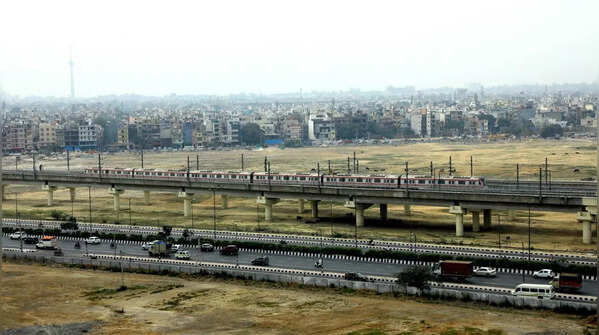
Metro expansion to ease congestion and pollution
The expansion of the Delhi Metro network is expected to reduce dependence on private vehicles, ease traffic congestion and help curb pollution in the national capital while providing faster and more reliable public transport.
Featured In City

