
- News
- City News
- bengaluru News
- Bengaluru’s traffic woes go global: City ranks 2nd, Pune 5th most congested
Bengaluru’s traffic woes go global: City ranks 2nd, Pune 5th most congested
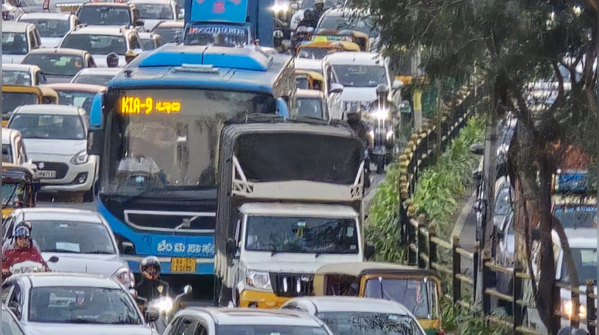
Bengaluru Ranks 2nd Globally in Traffic Congestion
Bengaluru has emerged as the second most congested city in the world in 2025, according to TomTom Traffic Index, reflecting growing traffic woes for daily commuters.
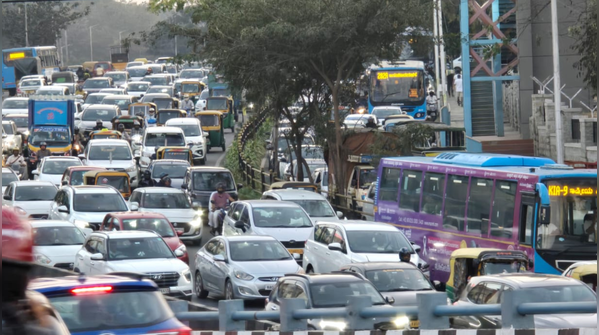
Mexico City Tops the List
Mexico City remains the world’s most congested city in 2025, with Bengaluru trailing closely behind, highlighting the severity of traffic delays faced by commuters in major urban centres.
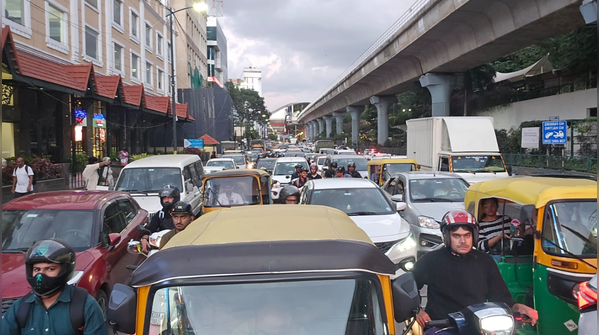
Other Indian Cities in Top 20
Pune ranks 5th and Mumbai 18th in global congestion, showing that India’s major cities continue to struggle with heavy traffic, affecting daily commute times and urban mobility.
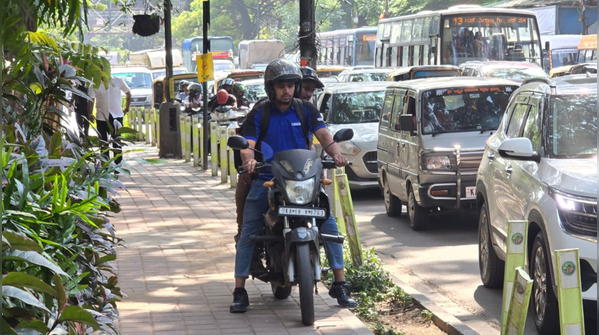
Bengaluru’s Rising Congestion Trend
The city’s congestion ranking has worsened over the years: sixth in 2023, third in 2024, and second in 2025, showing traffic delays steadily increasing despite city development efforts.
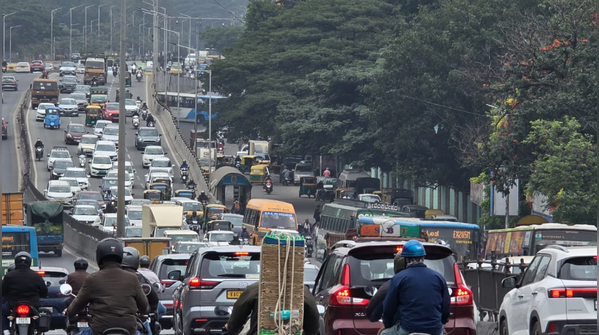
Slow Rush Hour Speeds
Average speed during Bengaluru’s peak traffic in 2025 dropped to 13.9 km/h, slower than 2024, reflecting rising vehicle numbers and congested roads during morning and evening commutes.
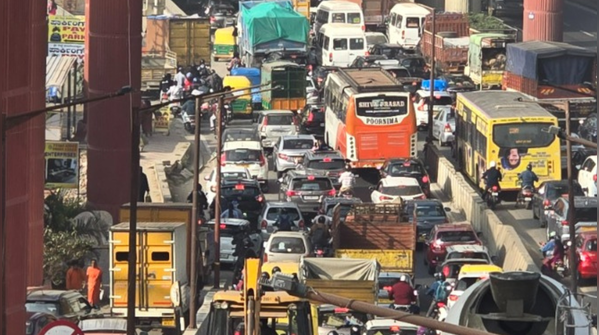
Longer Travel Time for 10 km Trips
Commuters now take 36 minutes and 9 seconds to cover 10 km in Bengaluru, more than two minutes longer than in 2024, adding to daily frustration for drivers and riders.
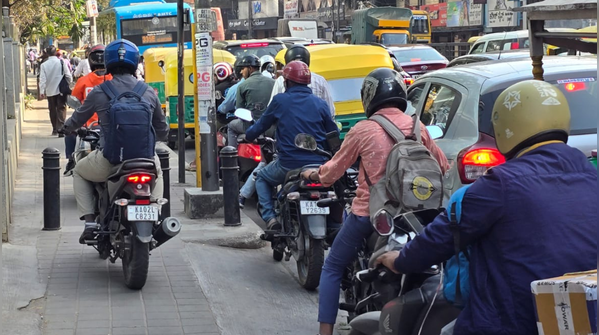
Congestion Levels Increase
Bengaluru’s congestion level rose to 74.4% in 2025, meaning motorists lose nearly three-quarters of additional travel time in traffic compared to free-flow conditions.
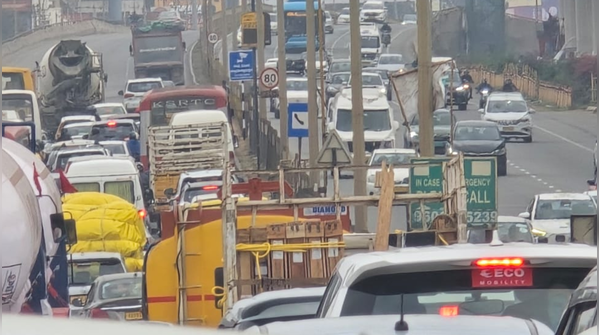
Time Lost in a Year
Commuters in Bengaluru spend an average of 168 hours a year stuck in traffic for two daily 10 km trips, highlighting the significant impact of congestion on work-life balance.
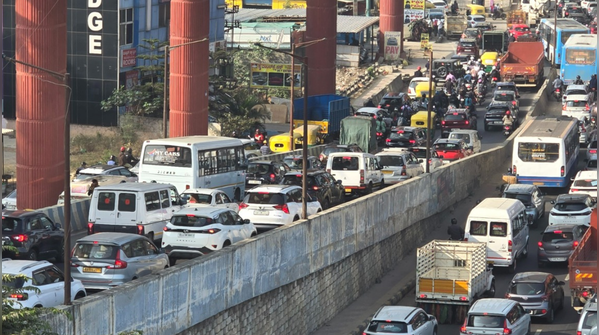
Dublin Trails Bengaluru
Ireland’s Dublin is the next most congested city after Bengaluru, showing that severe urban traffic is not unique to India but a global challenge for growing cities.
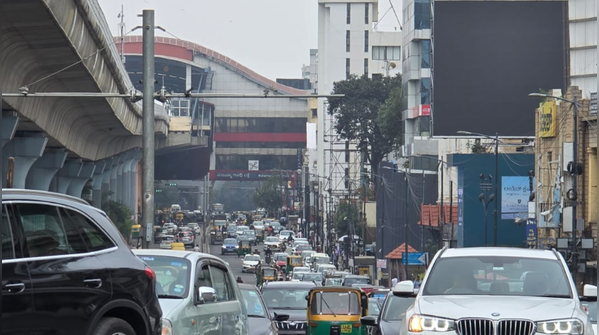
Pune and Mumbai Traffic Speeds
Pune commuters average 18 km/h while Mumbai’s traffic moves at 20.8 km/h during rush hour, showing slightly better speeds but still long delays compared to cities with smoother traffic flow.
Featured In City

