
10 exercises that can keep the heart healthy

10 exercises that can keep the heart healthy
With growing cases of cardiac arrests and heart attacks, paying attention to heart health has turned out to be the need of the hour. This is because taking care of the cardiovascular system doesn’t require training for a marathon, but it does require consistent movement and exercise Well, as per health experts, the heart is just like a muscle and it needs regular workouts to stay strong, efficient, and resilient against disease. This is why it is essential to incorporating a variety of physical activities into the weekly routine can lower your blood pressure, improve your cholesterol levels, and significantly reduce your risk of heart disease.Here are 10 excellent exercises that keep your heart healthy, along with the science behind how they protect your cardiovascular system.

Cycling
Whether you prefer hitting outdoor trails or using a stationary bike in your living room, cycling is a fantastic aerobic workout. This low-impact exercise engages the large muscle groups in your legs, requiring your heart to pump more oxygen-rich blood throughout your body. Over time, consistent cycling increases your cardiovascular endurance and makes your heart more efficient at pumping blood. It also improves overall circulation, which reduces the workload your heart must endure during everyday activities.

Swimming
Swimming is another exercise provides a unique, full-body cardiovascular workout that challenges both your heart and lungs. Because you have to coordinate your breathing with your strokes, swimming forces your body to use oxygen more efficiently.The hydrostatic pressure of the water also assists with blood circulation, helping blood return to your heart more easily. This makes swimming an excellent option for improving your heart rate variability and lowering your resting heart rate.

Weight Training
While aerobics get a lot of attention for heart health working with weights or gym machines is just as important. Lifting weights helps build muscle, which makes your body burn calories and helps your body handle sugar better. Strength training also reduces fat around the heart. Helps blood flow more easily by giving it more muscle tissue to circulate through. A stronger musculoskeletal system means strain on your heart.

Bodyweight Exercises
If you don't have weights you can use your body weight with exercises like push-ups, squats and lunges. These movements make your heart work harder to supply blood to muscles at once.These exercises help keep your blood vessels flexible which allows blood to flow smoothly and lowers your risk of blood pressure.
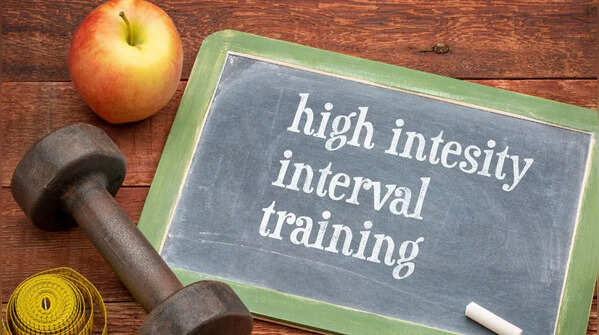
High-Intensity Interval Training (HIIT)
HIIT involves short bursts of intense exercise followed by brief periods of rest. This method pushes your heart rate up close to its maximum capacity before letting it recover, forcing your cardiovascular system to adapt to rapid changes.
This type of training is incredibly effective at increasing your max, which is the maximum amount of oxygen your body can use during exercise. A higher Vo max is one of the strongest indicators of robust, long-term cardiovascular health.

Running or Jogging
Running and jogging are classic aerobic exercises that place a high, consistent demand on your respiratory and cardiovascular systems. This sustained effort forces your heart muscle to grow stronger and more capable over time.
Regular running enlarges the left ventricle of the heart, allowing it to pump a greater volume of blood with each single beat. This increased stroke volume means your heart doesn't have to beat as many times per minute at rest, giving it a break during your downtime.

Rowing
Rowing is an intense, low-impact exercise that simultaneously delivers both cardio and strength benefits. Because it requires a powerful push from the legs and a strong pull from the upper body, it engages nearly 85% of the body's muscles.This massive muscular demand forces your heart to work in overdrive to deliver oxygenated blood to both your upper and lower extremities. It is a highly efficient way to burn calories, strengthen the heart muscle, and improve systemic circulation.

Brisk Walking
This is an age-old exercise and one of the best when it comes to heart health. This is because walking might seem simple, but it is one of the most effective, sustainable cardiovascular exercises to improve heart health. A nice brisk walk can get your heart rate up into a moderate-intensity zone without putting excessive stress on your joints.Regular brisk walking helps lower bad cholesterol (LDL) while raising good cholesterol (HDL). It also assists in managing blood pressure and maintaining a healthy body weight, both of which are critical for preventing long-term strain on your heart.

Yoga
While yoga is generally slower and gentler than running or rowing, it is a powerful tool for heart health, primarily through stress reduction. Chronic stress releases cortisol and adrenaline, which can damage blood vessels and raise blood pressure over time.The deep breathing and mindfulness practiced in yoga activate the parasympathetic nervous system, which naturally lowers your heart rate and relaxes blood vessels. Certain active styles of yoga, like Vinyasa, can also provide a moderate aerobic benefit.

Dancing
Dancing is a joyful, social, and highly effective way to get a moderate-to-vigorous aerobic workout. Moving to the rhythm of music naturally elevates your heart rate, keeps you moving for extended periods, and burns calories.
Because dancing involves sudden changes in direction and pace, it mimics interval training. It helps lower body fat, manages blood sugar levels, and provides all the classic cardiovascular benefits of a traditional workout while keeping your mind engaged.
Featured In etimes

