
- News
- Skipped Kanyadaan, Vidaai, and…: How this girl's wedding is prompting women to rethink traditional wedding practices
Skipped Kanyadaan, Vidaai, and…: How this girl's wedding is prompting women to rethink traditional wedding practices
Skipped Kanyadaan, Vidaai, and…: How this girl's wedding is prompting women to rethink traditional wedding practices
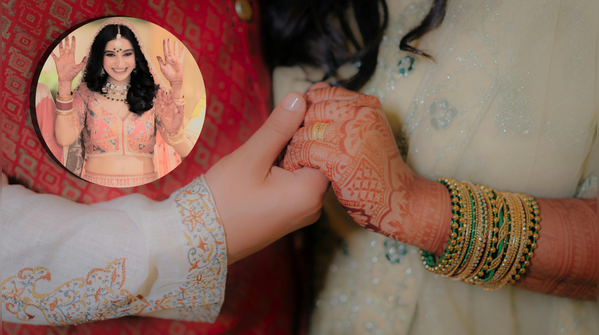
Indian weddings are loud, emotional, expensive, and beautiful. But they also come with a long list of expectations. Expectations around who pays, who compromises, which rituals must happen, and what a ‘good bride’ is supposed to do. More often than not, what the bride actually wants is the last thing anyone asks about. One woman decided that wouldn't be her wedding. Inayat Pawar (@ina.paw) posted about it on Instagram, listing out the choices she and her partner made before and during their wedding. Her caption was straightforward: “Repeat after me, an equal marriage is a healthy marriage. Speak up and take a stand from day 1!” The post struck a chord with so many people online.
The woman shared a list of choices that many would consider unconventional, especially in more traditional families. Yet for her, these weren't rebellious decisions. They were practical and thoughtful and also helped her and her partner start their marriage on equal footing. Here is the list of unconventional things she did on her wedding day.
Images Courtesy: Canva
They split the costs, but not equally!
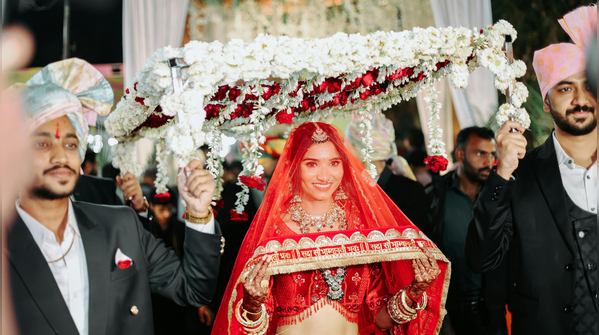
One of the first things she addressed was the wedding costs. Money is rarely talked about openly during wedding planning. But the expectation is usually clear: the bride's family pays a large share, sometimes more than they can afford, because that's tradition. This couple did it differently. “We split the wedding budget based on our guest lists. I had a very small side, around 40 people but my partner had a much larger guest list. So it made more sense for that side to contribute more. The bride's side shouldn't be automatically obligated to bear the costs of the wedding.” Simple logic: whoever invites more people, contributes more. But in the context of Indian weddings, that kind of thinking is still far from common.
She skipped Kanyadaan and Vidaai
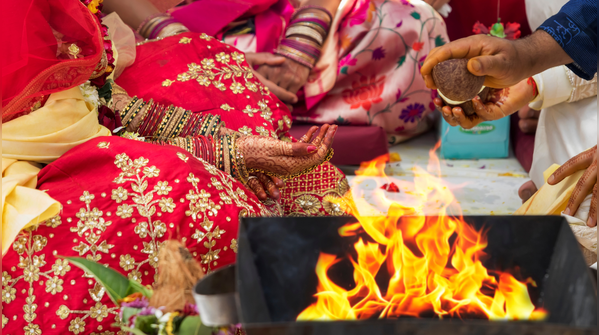
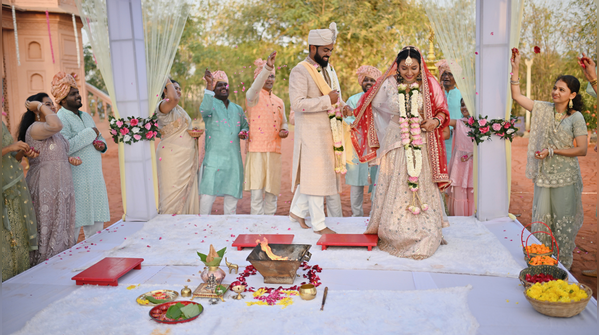
The most-talked-about part of her post that got people talking was her decision to opt out of certain wedding rituals. “We instructed our pandit to keep the prayers non-patriarchal and skipped Vidaai and Kanyadaan. No parent should feel separated from their daughter.” For generations, Kanyadaan and Vidaai have been deeply emotional parts of most Hindu weddings. But for many modern women, these rituals can feel uncomfortable because they are rooted in the idea of a daughter being "given away" to another family. She wasn't trying to disrespect traditions. She simply chose rituals that matched what she actually believed: getting married doesn't mean leaving your family behind.
They kept gifting simple
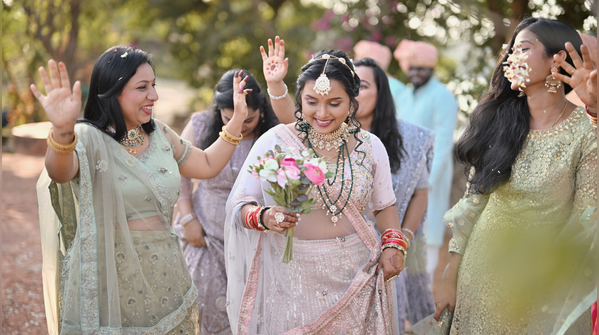
Not many people openly talk about the pressure that comes with wedding gifts, especially on the bride's side. There's rarely a rule written anywhere, but the expectation exists and families feel it. “We kept the gifting very minimal. There's often an unspoken pressure around gifting on the bride's side.” By deciding upfront to keep things low-key, they removed one more source of stress from the whole process.
Living independently after marriage
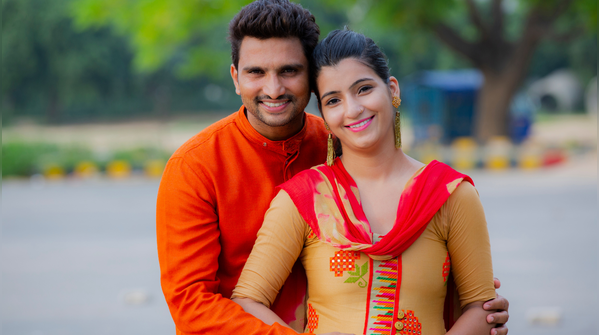
This is a conversation many couples avoid until after they're married, and by then, it can get complicated fast. They had it early. “We decided to live independently after marriage. This was an important conversation for us. We felt living separately, but close by, would help us build our own space while maintaining a healthy relationship with family.” It was about creating space for their own relationship while still staying connected to loved ones.
They kept the pre-wedding functions at home
The wedding industry makes it feel like every function needs a banquet hall and a separate budget. This couple didn't go that route. “We celebrated haldi, mehendi, and engagement at home. I genuinely enjoy these functions, but when we looked at the cost of each 'event,' it felt like a lot for us personally.” The celebrations happened. They were just smaller, more personal, and significantly less expensive.
Her message was more about equality
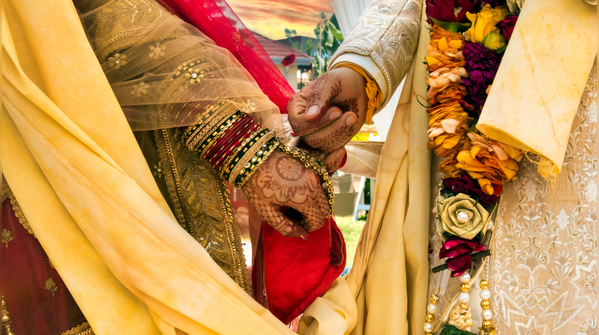
The specific choices she made may not be right for everyone. Some families hold these rituals close, and that is completely valid. But her larger point was this: you are allowed to ask questions. To women she said: “It's okay to question things that don't feel right. Just because some rituals exist doesn't mean they're justified.” She had a message to men as well. She wrote, “In many relationships, things feel equal while dating, but weddings can bring out imbalances. Speak up where it matters so both of you feel equally respected from the very beginning.” That's the part worth paying attention to. A wedding is one day but a marriage is everything after it.
Featured In

