Prakash Ramchandani: OTT gives actors the creative freedom television doesn’t
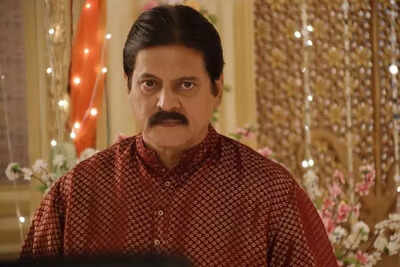
Prakash Ramchandani
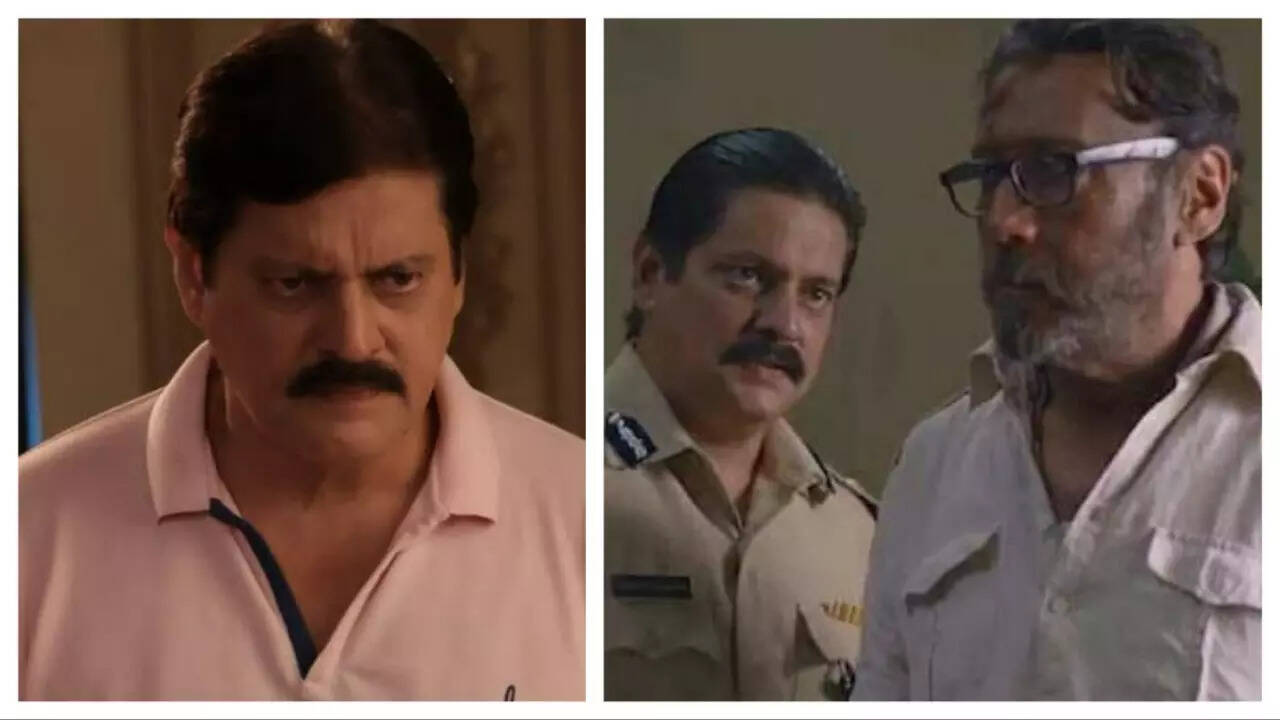
Prakash in stills from Gehna and Criminal Justice
End of Article
Follow Us On Social Media
Tired of too many ads?go ad free now
tv videos

Featured In TV
Tired of too many ads?go ad free now

Hot on the Web
Arijit SinghJana NayaganWaheeda RahmanBhushan KumarSuniel ShettyJana Nayagan Hearing Live UpdatesAshwagandha BenefitsWalking BenefitsFatty Liver DiseasePalash MuchhalBorder 2 CollectionFake Sweet PotatoBorder 2 ReviewBorder 2 Movie ReviewBadshahRalph Waldo EmersonMoong Dal Popcorn RecipeWorld's Weakest Passports 2026Splitsvilla X6Aly GoniThe Raja Saab OTTSunita WilliamsThe 50 ContestantsChimpanzee VS BonoboViral Penguin Death MarchVarun DhawanDhurandhar Movie CollectionPunjab TripDhurandhar Movie ReviewConfucius QuotesWilliam ShakespeareSolar EclipseStonehenge MysteryMoong Dal Popcorn RecipeQuote Of The Day By Richard FeynmanWorld Longest Road TunnelEgypt Lost Golden CityiOS 26.3Pavel DurovChinese Year 2026Range Rover Sentinel
Trending Topics
Latest MoviesBollywood MoviesHollywood MoviesTamil Movies 2026Telugu Movies 2026Malayalam Movies 2026Kannada MoviesMarathi MoviesBengali Movies 2026Top Rated Movies 2026Best Hindi MoviesBest English MoviesBest Telugu MoviesBest Tamil MoviesBest Malayalam MoviesBest Kannada MoviesBest Bengali MoviesUpcoming Hindi MoviesBest Movies Of All TimeBest Hindi Movies of All TimeLatest English MoviesLatest Malayalam MoviesEnglish TV NewsTamil TV NewsTelugu TV NewsMalayalam TV NewsKannada TV NewsMovie ReviewsBhojpuri Cinema NewsGujarati Cinema News
Popular Categories
Viral NewsK Pop NewsWeb Series NewsAnime NewsUpcoming English MoviesUpcoming Tamil MoviesUpcoming Telugu MoviesUpcoming Malayalam MoviesUpcoming Kannada MoviesFashion TipsTravel NewsEntertainment NewsBollywood NewsTollywood NewsKollywood NewsMollywood NewsFood NewsLatest Hindi MoviesLatest Tamil MoviesParenting TipsHome RemediesWeight LossBeauty TipsParenting TipsHindi VideosHindi Video SongsBhojpuri Music VideosLatest Telugu MoviesBhojpuri Music VideoHindi TV News
Latest News
NBA trade update: Washington Wizards take surprise chance on former first-round big man Skal Labissiere amid frontcourt crisisAnurag Vyas on stepping beyond television: It’s a phase of exploration, not a breakUS stocks today: Wall Street opens mixed as corporate earnings roll in; S&P 500 up 0.20%, Dow Jones slips 0.62%BAFTA Awards 2026: Here's why 'KPop Demon Hunters' failed to secure a nominationHow Synopsys is building a new tech stack for physical AI productsWho is Alix Earle? Braxton Berrios’ ex now linked to Tom BradyWhat happens next for Paddy Pimblett? Dan Hooker predicts harsh UFC reality after UFC 324 defeat‘IT WAS WRITTEN’: Cooper Kupp Buries the Rams After L.A. Reportedly ‘Urged’ Him To RetireKetel Marte earns No. 1 ranking on MLB Now’s “Top 10 Second Basemen Right Now” for the fourth timeWho is Vinod Khosla, the Indian American billionaire calling out Elon Musk over racsist commentsScientists may have found a way to make old cells act young againDid you know singer KS Chithra has a mobile phone just to play games?'The Conjuring: Last Rites' OFFICIAL in India: When and where to watch the franchiseIsrael PM Benjamin Netanyahu clicked with tape on his phone camera: Why people usually cover camerasGSEB HSC 2026 hall ticket for practical exams out: Direct link to download Gujarat board admit card hereChhattisgarh: Young tiger found dead in 'territorial fight' in Achanakmar Tiger ReserveNilgiris court sentences man to 20 years of imprisonment for impregnating wife’s minor sister'Europe financing war against themselves': Why Trump ally Scott Bessent needs to watch Yes Minister