
Top 12 bell peppers in the world as per the global culinary agency

Unique bell peppers and their characteristics
When it comes to bell pepper, regional Indian cuisines celebrate it as an add on that adds a pop of colour and aroma to a dish. But around the world, bell pepper is not just a colourful addition, it is the star of the dish, which is known for its flavour,versatility, and culinary heritage. Taste Atlas recently released (January 2026) a list of top 12 bell peppers in the world. As per the website, for the “Top 12 Bell Peppers in the World” list until January 23, 2026, 297 ratings were recorded, of which 196 were recognized by the system as legitimate. Take a look and comment which ones you have consumed till date.
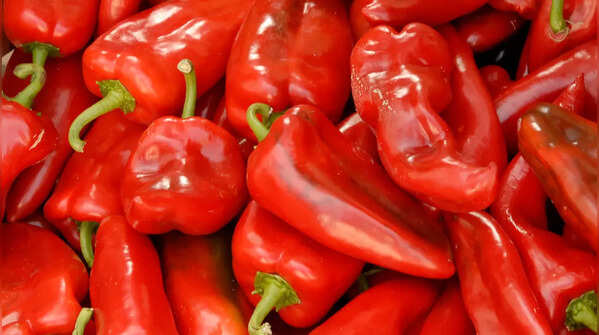
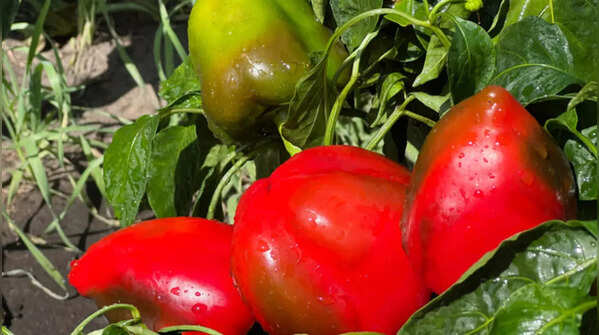
Piperiá Florínis (Florina peppers)
It is a Greek pepper cultivated in Western Macedonia and the area of Florina and its harvest takes 18 weeks and it ripens to maturity after mid-August. This pepper has a deep red colour and is similar to cow's horn in shape. It is mostly used in salads, sauces, pasta dishes, or meat dishes along with feta, meat, rice, or shrimps.
Images Courtesy: istock
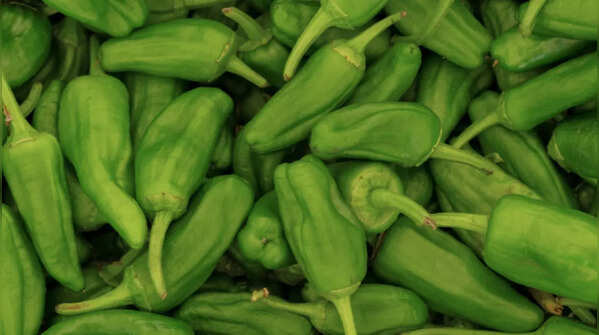
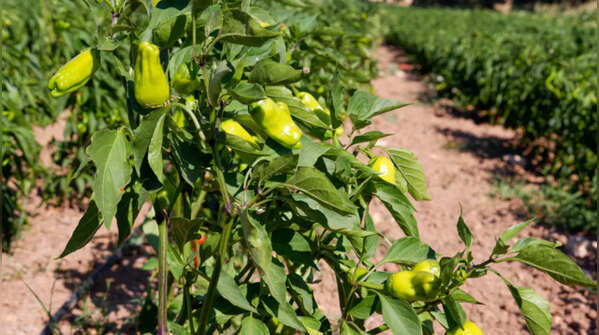
Pementos de Padrón
This pepper is native to Spain and is a Galician pepper with bright green to yellowish green hue. It is mild in flavour and is traditionally fried in olive oil and seasoned with coarse sea salt. It is best enjoyed with beer, wine, or cider.
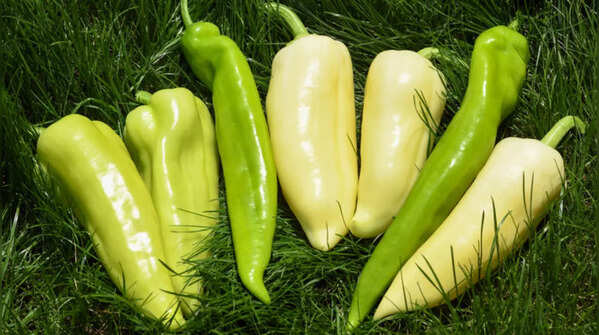
Szentesi paprika
Native to Hungary, this is a collective name for the forcibly grown peppers of four different varieties of Capsicum Annuum. This variety comes in white, green,and red and the last one in red is tomato-shaped pepper, with a strong paprika smell and a mild taste.
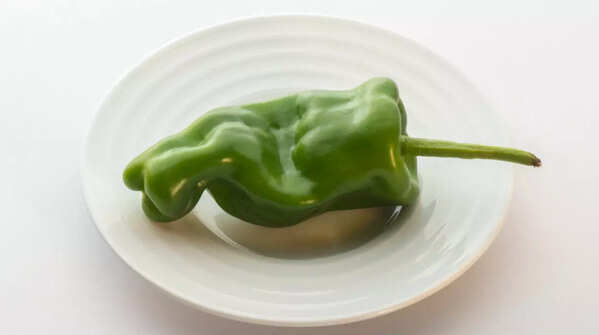
Pimiento de Gernika
This variety is native to Spain and is a green pepper, harvested before they are fully ripe and is best enjoyed fried.
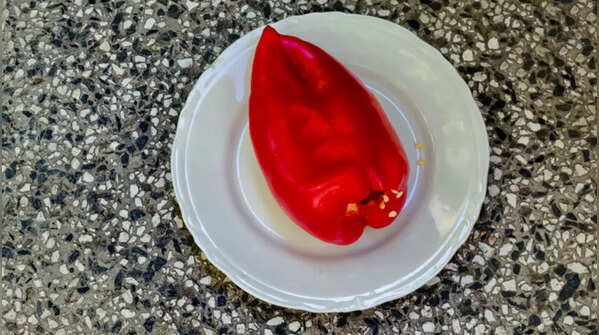
Ajvarka
Ajvarka is one of the oldest North Macedonian pepper varieties, and its official name is Kurtovska kapija (Kurt gate). . This pepper contains a small amount of water, it has a thin shell, and it peels very well, which is important for preparing ajvar, although the pepper can also be eaten raw or used in other dishes, states Taste Atlas website.
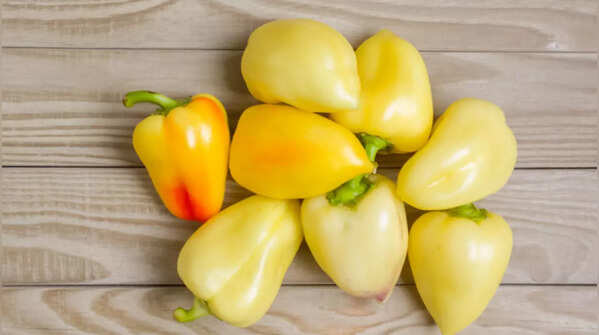
Sivria Pepper
This pepper is a traditional pepper variety originating from Bulgaria. The pepper is conical and elongated, bilaterally flattened, and comes in green, yellow, and reddish (when ripe) hues. Its skin is thin, and the flavor is sweet and is suitable for direct consumption and for stuffing.

Pimiento Riojano
This pepper is also from Spain and has a sweet and balanced flavor and crispy and juicy texture. The Pimiento Riojano is a large pepper, with a length of 16 to 18 cm, and can weigh up to 300g.
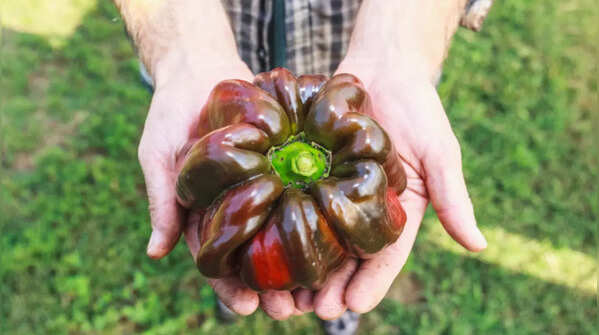
Peperone di Pontecorvo
Native to Italy, this pepper is distinguished by its sweet flavor, a very thin skin, and delicate flesh. It is best for salads but can also be grilled or preserved in oil and served with charcuterie and cheeses.
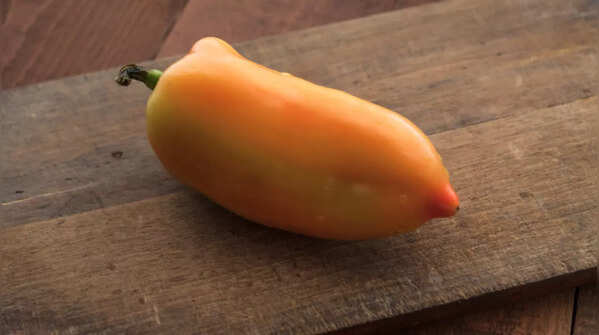
Pemento da Arnoia
It is a green pepper grown in Spain and offers smooth and shiny skin and a mellow aroma. It has a quite sweet flavour with a little bit of a spicy bite.
Pemento do Couto
This one is harvested in the early stage of their development while they are still green and have not yet developed their red hue in Spain and has smooth and shiny skin and an intensely sweet, mildly spicy flavor that is a consequence of the absence of capsaicin.
Pimiento de Fresno-Benavente
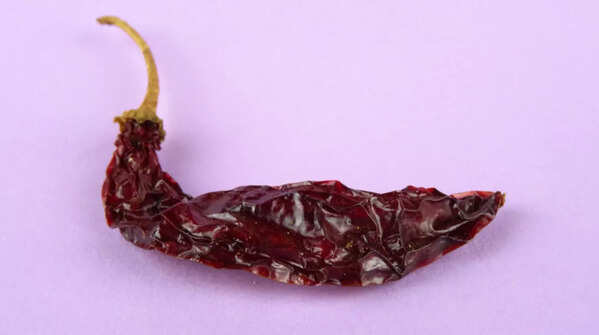
This one is red pepper, grown in northwestern Spain, northwest of Madrid and south of Oviedo. It is large, rectangular and very juicy with added sweet, slightly bitter and mellow flavor.
Pemento de Oímbra
This is native to Spain too and offers green hues when unripe and is harvested for consumption at this stage of development. However, once they fully develop, they become bright red in color; in this stage, they are harvested only for their seeds.
Featured In Food

