
- News
- Technology News
- Tech News
- In 1943, Thomas Watson Jr. paused his career for WW II, but his mindset established the foundation for IBM’s tech empire
Trending
In 1943, Thomas Watson Jr. paused his career for WW II, but his mindset established the foundation for IBM’s tech empire

Thomas Watson Jr.’s mindset established the foundation for IBM’s tech empire. Image credit - Wikimedia
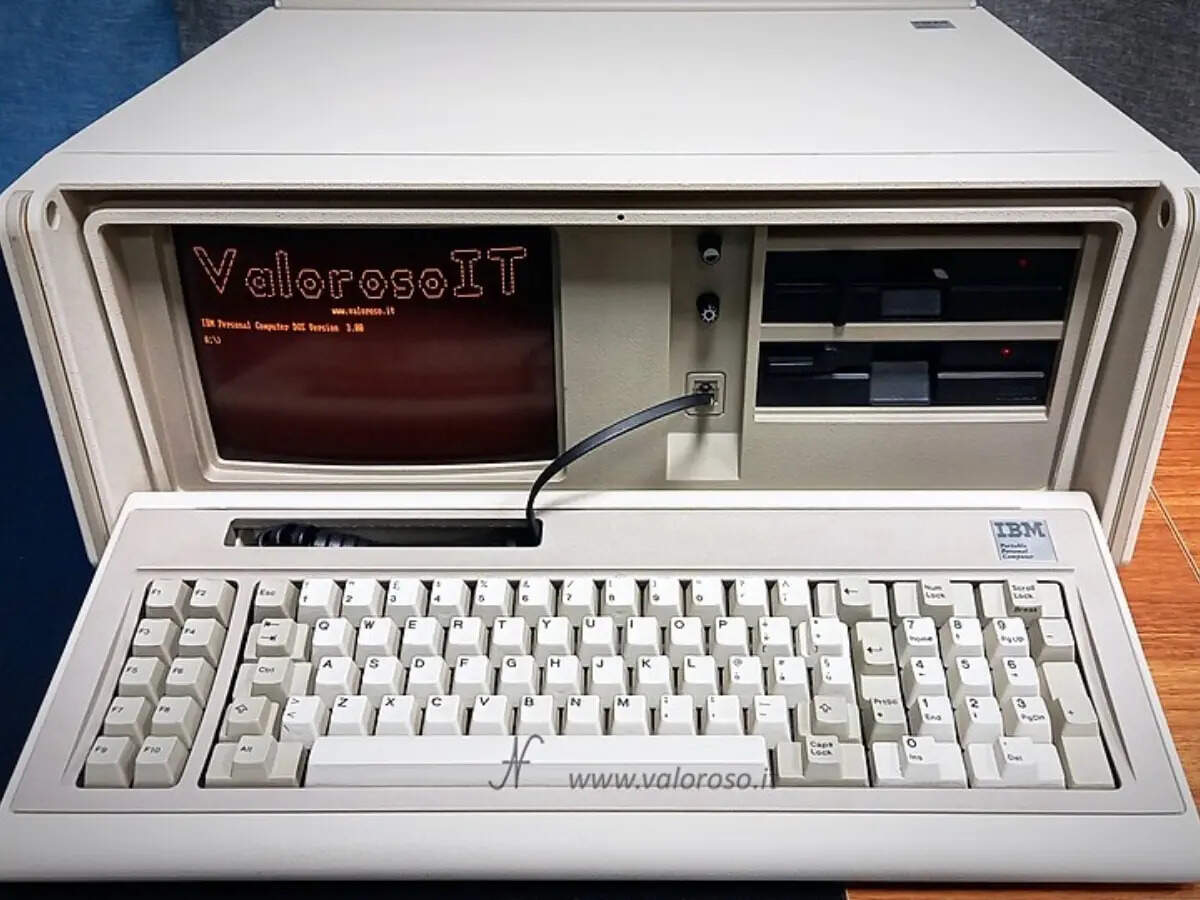
Thomas Watson Jr. developed the “We’ll Learn Fast” mindset from his war service. Image credit - Wikimedia

About the AuthorTOI Tech Desk
End of Article
Latest Mobiles



Follow Us On Social Media

Hot Picks
Top Trending
Tired of too many ads?go ad free now
Trending Stories
In Section
Entire Website
- Google Deepmind Union: Staff demand recognition and AI ethics overhaul; 10 days deadline
- Former US Army CIO Leonel Garciga says that the tension playing out with US Army's rapid adoption of AI technologies is ...
- No WARN Act protections, lost RSUs and other 'shockers' that 20,000-plus laid-off Oracle employees claim they are fighting for
- American billionaire Mark Cuban says AI has fundamental problem and expertise is still valuable because …
- Why Sony just brought TSMC into its most important business
- Canadian developer takes Apple to court after iPhone maker removes app from App Store; complaint says: Apple’s actions denied users access to …
- Coinbase outage: Crypto trading platform goes down a day after CEO Brian Armstrong predicted a future where non-technical people will be able to write code
- As Apple and Meta protest against Canada's Bill C-22, claims it will make them 'Government Spy Tools'; Canada retaliates, says: Stop making 'excuses', you know…
- Accenture CEO Julie Sweet on Corporate America problem: All the data is showing companies are investing in AI, but …
- Europe wants to bring new rules restricting VPNs; says VPNs have a 'huge problem' that allows…
- CBSE Class 12 Result Live Updates: 12th Result 2026 expected shortly as DigiLocker activates result banner; result may be declared today or tomorrow
- CSK vs LSG Live: Josh Inglis back for Lucknow as CSK opt to bowl first
- HPBOSE 10th Result 2026 Live Updates: Class 10th result declared with 88.87% pass percentage, official website not working, here's how to check scorecards
- IPL 2026 Playoff Probabilities: GT’s 77-run win lifts odds to 72.52%; RR still at 80.31%
- HPBOSE matric result 2026 toppers list: 88.87% overall pass percentage as Anmol tops Himachal with 699 marks
- HPBOSE matric result 2026: Check result status and your scorecard here
- HPBOSE Class 10th result 2026 declared with 88.87% pass percentage at hpbose.org: Direct link to download scorecards here
- HPBOSE 10th Result 2026: How to check scorecards on DigiLocker
- Himachal Board X result 2026: Official websites and alternative platforms ready for scorecard access
- Gujarat Vs Rajasthan Match: Gill leads charge in 77-run romp; Rashid rips through RR
Tired of too many ads?go ad free now



Explore Every Corner
Across The Globe
HPBOSE 10th Result 2026IPL Match TodayHPBOSE Class 10th ResultSupriya SuleCSK vs LSGCSK vs LSG IPL MatchIPL Qualification ScenarioWWE Backlash ResultsJason WhitelockVirat KohliHardik PandyaIPL Purple capHow to Check HPBOSE ResultVaibhav SooryavanshiMI vs RCB IPL MatchCBSE Result 2026Vijay Cabinet ListIran StrikeIPL Orange CapEdappadi K PalaniswamiVirat KohliIran warIPL Purple Cap WinnerKhamzat Chimaev and Sean StricklandAnil KochharSuvendu AdhikariMali AL Qaeda AttackHPBOSE Class 10th official websiteWB CM announcementTN CM announcement

Hot on the Web
László BíróMother's Day WishesArbaaz KhanMatilda LedgerMothers Day 2026Mother's Day Gift Ideas 2026Hantavirus SymptomsDhurandhar 2 OTTShah Rukh KhanRajinikanthBlack MambaRam Gopal VarmaR MadhavanMothers Day MemesKaran JoharMoushumi ChatterjeeInland Taipan SnakeMulga King Brown SnakeSoha Ali KhanCelina JaitlyApple VS BananaMost Snake Population CountriesMango City Of IndiaBaby NamesSundar PichaiGauravi KumariAC Blast RiskDhurandhar 2 Box Office CollectionRaja Shivaji Box Office CollectionHoroscope TodayRare Earth MangoDasia TaylorSnakes SlitherOne Kidney VillageYellow Bellied Sea SnakeAttracts Snakes To ToiletCloudflare LayoffsJP MorganApple LawsuitNyt ConnectionsMaruti Suzuki EecoCaptions For Instagram Posts
Trending Topics
Riyan ParagTN GovernerMaharashtra Teen Rape CaseSanjeev Arora Money Laundring CaseTS Sivagnanam ResignDelhi School Summer VacationTTV Invites EPSKL RahulMamata BanerjeeHyderabad MurderMojtaba KhameneiRussia Ukraine ceasefireDonald TrumpDebashis GhoshHantavirusSuvendu AdhikariTVK VijayN. S. Raja SubramaniAmit ShahPM ModiTamil Nadu HSC Result 2026Michael FaradayAfghanistanNFL Trade RumorTamil Nadu RailwaysTamil Nadu Election ResultGujarat Rape NewsBijnor Husband MurderHPBOSE 10th Result 2026KMP Expressway AccidentShivon ZilisSteve JobsMark CubanMira MuratiMark ZuckerbergSundar PichaiMichael DellCanvas HackedVaibhav SooryavanshiPeroxide CodesGenshin Impact Codes
Popular Categories
HeadlinesSports NewsBusiness NewsIndia NewsWorld NewsInternational SportsHealthIndian TV ShowsTechnologyTravelEtimesAstrologyDeorhiAutoTechnology NewsGold Rate TodayWeather TodaySilver Price TodayDelhi Weather TodayPetrol Price TodayDiesel Price TodayCNG Price TodayLPG Price TodayPetrol Price MumbaiDelhi AQIIs Bank Open TodayMumbai AQI TodayIs Bank Open TomorrowPublic Holidays in MayBank Holidays in May
Latest News
Hazaribag man drowns while fishing in lake"Behen Darr Gayi!": Fans relive ‘Bhagam Bhag’ era after watching Akshay Kumar's 'Bhooth Bangla' trailerMBOSE HSLC result 2026 to release tomorrow: Check details hereIran war risk: JPMorgan CEO Jamie Dimon warns of oil shocks, sticky inflation and higher interest ratesMake your clutch last longer with these easy driving tips“Three-against-one situation”: El Rubius opens up on being “targeted” in MrBeast’s viral $1M challengeBihar BTSC lab assistant notification released for 1091 posts at btsc.bihar.gov.in; apply hereIPL craze costs techie Rs 1.46 lakh in fake RCB vs CSK ticket scamRaising “robot-proof” kids: Why creativity and curiosity matter more than everInside ‘Satguru Sharan’: Exploring Saif Ali Khan and Kareena Kapoor Khan’s Rs 100 crore Bandra homeHow selling Alaska in 1867 was a costly mistake for Russia'Hera Pheri 3 is coming': Paresh Rawal dismisses delay reports and reveals he will 'start shooting soon'US-Iran War: A daring rescue Hollywood blockbuster is on its way. Till then, pick your favourite from these 10 films on bringing someone home against all oddsKolkata team unveils fan mural at Rash Behari Avenue, celebrating city’s first loveHow US spread a lie to rescue a pilot of a jet shot down in IranNetflix unveils ‘VOID’, an AI model that can change a movie plotAI data centers are causing 'stress' not just to tech companies, but also private insurers"Trans women are.....": Clavicular’s viral moment with trans women sparks fresh conversation on internet culture
Copyright © 2026 Bennett, Coleman & Co. Ltd. All rights reserved. For reprint rights: Times Syndication Service