
- News
- Relationships News
- Optical illusion personality test: Keyhole or a person crying? What you see first reveals if you are introvert or extrovert
Optical illusion personality test: Keyhole or a person crying? What you see first reveals if you are introvert or extrovert
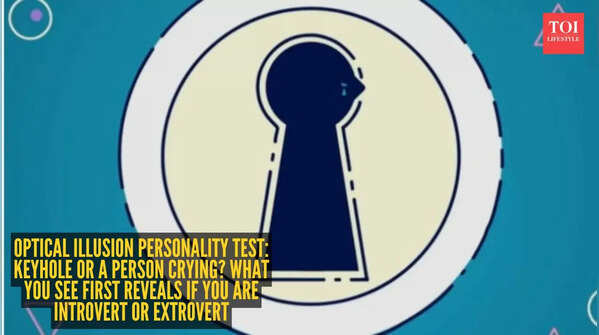
Optical illusion personality test
Optical illusions do more than trick your eyes — they shine a light on how your brain builds the world and, by extension, on parts of your personality. Because our minds evolved to process information quickly, they often fill in missing details and favour patterns that helped our ancestors survive. Those snap judgments tell a story about how you approach people, risk and emotion. Today’s illusion is a simple, revealing example: whichever figure you notice first can point to whether you’re driven outward or inward — and offer a gentle nudge toward greater self-understanding.
How perception becomes personality
We don’t passively receive images; our brains actively construct them. That construction is influenced by past experience, temperament and wiring — which is why two people can look at the same picture and see completely different things. Optical illusions work because they exploit the brain’s tendency to make fast inferences. Those first impressions aren’t definitive diagnoses, but they can act like mirrors that reflect habitual ways of thinking and feeling.
The image that started the conversation
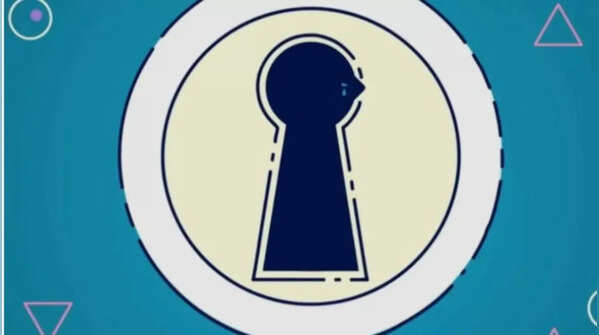
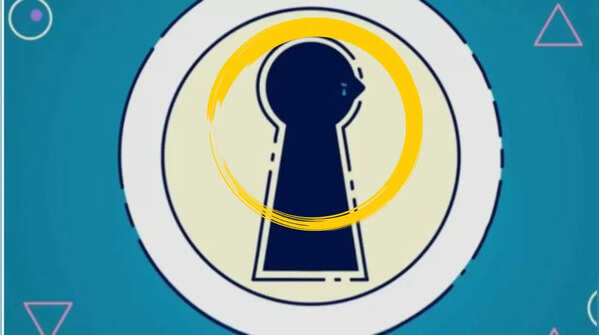
The above popular visual was shared by the Bright Side on YouTube, and it contains two overlapping figures. The item that grabs your attention first — a keyhole or a crying face — is said to reveal a dominant style of relating to the world. Read on to see which description fits you, and how you might use the insight.
If you saw a keyhole first
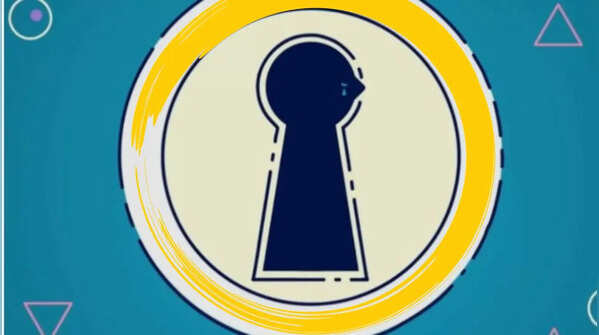
Spotting the keyhole first suggests you’re an extrovert at heart: curious, adventurous and eager to explore new places and ideas. You love to travel and meet new people. You are a risk-taker and inspired by your environment. That restlessness often leads to brave choices and new pursuits. The downside can be impatience or a tendency to neglect your own needs. Clowing down may be useful in turning that outward curiosity inward and checking in with what you truly want.
If you saw a crying face first
You are an introvert and you may process emotions internally. You prefer solitude for thinking, and avoid airing personal struggles. This inward orientation gives you depth, sensitivity, and a capacity for empathy. But it can also mean you bottle things up. Practices like mindful breathing, journalling, or gently sharing concerns with a trusted person can help you move from silent suffering to constructive expression.

What this test can — and cannot — tell you
Optical illusion “tests” are playful tools for self-reflection, not clinical assessments. The brain’s first read reflects a snapshot of attention and bias, not an immutable personality label. Use the result as a conversation starter with yourself: does the interpretation resonate? Where could you balance your tendencies — leaning into curiosity while preserving inner reflection, or speaking up more while protecting your peace?

How true was this test result for you?
The image you notice first is less a verdict and more a clue — a momentary peek into how your brain prefers to organise experience. When we treat that peek with curiosity instead of judgement, it becomes a useful tool: a small, friendly guide toward self-awareness and better choices. How true was this test result for you? Tell us in the comments below.
Featured In Relationships

